


The Quiet Rebellion of Slow Travel
The modern holiday can often feel like a race against time, a checklist of sights to be ticked off before rushing to the next destination. Slow travel is the antidote to this frenzy. It’s a mindset that prioritizes connection over speed, encouraging travellers
to immerse themselves in a single place or experience. Instead of flying over a country, you move through it, allowing the scenery to change organically. This approach helps reduce travel fatigue and the dreaded 'vacation burnout', replacing it with a more genuine sense of rest and discovery. By choosing a slower path, the journey itself—not just the arrival—becomes a central part of the adventure, fostering a deeper appreciation for the environment you're exploring.
A Front-Row Seat to Nature's Grandeur
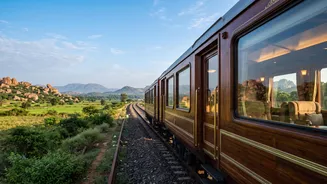
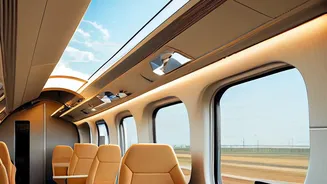
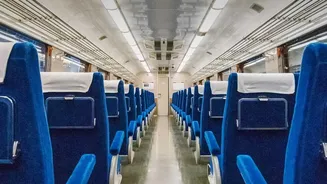
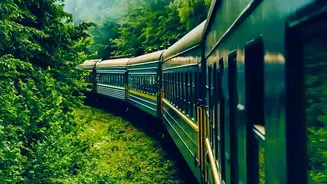
This is where panoramic trains truly shine. Designed specifically for sightseeing, these special coaches transform travel into a cinematic experience. The key innovation, particularly in India's Vistadome coaches, is the combination of massive side windows and transparent glass-panelled roofs. This design provides an uninterrupted, immersive view of the passing world. Seats often rotate 180 or 360 degrees, allowing passengers to face the direction of the best scenery or converse with fellow travellers. Unlike a car journey that demands your focus on the road, or a flight that offers only clouds, a panoramic train lets you sit back and watch nature's drama unfold—from misty mountains and dense forests to cascading waterfalls right outside your window.
Iconic Panoramic Journeys in India
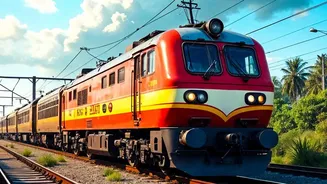
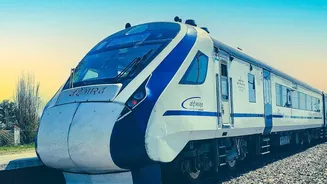
Indian Railways has embraced this concept, attaching Vistadome coaches to trains on some of the country's most picturesque routes. The journey from Visakhapatnam to Araku Valley, the first route to feature these coaches, takes passengers through the lush Eastern Ghats, navigating dozens of tunnels and bridges. Another stunning option is the trip through the Western Ghats, such as on the Bengaluru-Mangaluru route, where the train winds through the verdant Sakleshpur Ghat section, offering breathtaking views of valleys and waterfalls, especially during the monsoon. The historic Kalka-Shimla Railway, a UNESCO World Heritage Site, is also enhancing its service with new Vistadome coaches, promising travellers an even more magical ride through the Himalayan foothills.
World-Class Windows to the Wild
The appeal of panoramic rail travel is a global phenomenon. Switzerland is famous for its scenic trains, such as the Glacier Express and the Bernina Express, which glide through the heart of the Alps, past pristine glaciers, over iconic viaducts, and into charming mountain villages. These journeys are legendary for their engineering marvels and the sheer beauty of the alpine landscapes visible through their panoramic windows. In North America, Canada's Rocky Mountaineer offers unparalleled views of the rugged Canadian Rockies, a journey celebrated for its luxurious feel and spectacular wilderness scenery. These international examples highlight a universal desire to connect with nature without sacrificing comfort.
More Than Just a Pretty View
The benefits of this travel style extend beyond aesthetics. Train travel generally has a lower carbon footprint than flying, making it a more sustainable choice for the eco-conscious traveller. Train stations are often conveniently located in city centres, eliminating the stress and expense of long airport transfers. There's also a unique social element, as the relaxed pace and comfortable carriages encourage conversations and shared experiences. Ultimately, slow travel by train allows you to see the places in between—the small towns, rolling hills, and quiet countrysides that are bypassed by major highways and flight paths, offering a more complete and authentic picture of a region.