






Why Rain Brings Health Risks
The monsoon season provides a welcome break from summer heat, but the combination of high humidity, waterlogging, and fluctuating temperatures creates a perfect breeding ground for bacteria, viruses, and mosquitoes. Contaminated water sources and damp
environments lead to a significant increase in a variety of illnesses, turning this beautiful season into a period of high alert for our health. During this time, the body's immune system can also be weakened, making individuals more susceptible to infections. Understanding these environmental changes is the first step toward safeguarding your health.
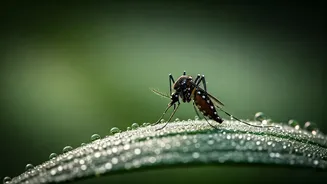
The Mosquito Menace
Stagnant water, from puddles to uncovered containers, becomes an ideal nursery for mosquitoes. This leads to a sharp rise in vector-borne diseases that are responsible for thousands of hospitalisations each year in India. Key diseases to watch out for include: Dengue: Transmitted by the Aedes mosquito, it causes high fever, severe headache, joint pain, and rashes. Severe cases can lead to dangerous complications. Malaria: Spread by the female Anopheles mosquito, its symptoms include recurring fever with chills and sweating. Prompt diagnosis through a blood test is crucial. Chikungunya: Also spread by the Aedes mosquito, its defining symptom is debilitating joint pain that can persist for weeks or months.
Water-Borne Worries
The mixing of rainwater with sewage and contaminated groundwater sources is a major problem during the monsoon. This leads to a spike in water-borne diseases, which can spread rapidly. Be vigilant about symptoms of: Typhoid: A bacterial infection caused by Salmonella typhi, spreading through contaminated food and water. It presents with high fever, weakness, and stomach pain. Cholera: An acute infection that can cause severe watery diarrhoea and dehydration. It spreads quickly and requires immediate medical attention. Gastroenteritis & Diarrhoea: These are among the most common monsoon ailments, caused by various bacteria, viruses, and parasites found in unclean food and water. Avoiding street food and ensuring water is purified is key.
Respiratory and Fungal Infections
The high humidity in the air during the monsoon can be tough on the respiratory system and skin. Damp air can make it harder to breathe for those with pre-existing conditions like asthma and can also encourage the growth of mould and fungi. This leads to a rise in cases of the common cold, flu, bronchitis, and various skin infections. Wearing clothes that are fully dry and keeping your home well-ventilated can help mitigate these risks.
Your Monsoon Health Check-up Plan
Being proactive is the best defence. A routine health check-up at the beginning of the monsoon can help detect issues early and assess your overall health. Consider discussing the following with your doctor: General Physician Consultation: A good starting point to discuss any concerns and assess your overall health status. Complete Blood Count (CBC): This fundamental test can reveal signs of infection (like elevated white blood cells), anaemia, or a low platelet count, which can be an early indicator for diseases like dengue. Fever Panel Tests: If you experience fever, a comprehensive panel can help a doctor accurately diagnose between dengue, malaria, typhoid, and other common monsoon fevers. Liver and Kidney Function Tests: These are important to monitor organ health, especially since some water-borne diseases can impact them. * Checks for Chronic Conditions: Individuals with diabetes, hypertension, or asthma should have their conditions reviewed, as the change in season can affect them.
Simple Steps for a Healthy Season
Beyond medical tests, simple daily habits can significantly reduce your risk of falling ill. Focus on boosting your immunity with a balanced diet rich in Vitamin C. Ensure you only drink boiled or purified water and avoid street food. Practice good personal hygiene by washing your hands frequently. At home, prevent water from stagnating in and around your house to stop mosquito breeding. Wearing full-sleeved clothing can offer protection from mosquito bites when outdoors.