




Quantity vs. Quality
For years, the conversation around protein has been dominated by quantity. We meticulously track grams, aiming for targets often set by fitness influencers or diet plans. This focus isn't entirely misplaced; protein is a vital macronutrient essential
for building and repairing tissues, from muscle to bone. However, the number on a food label simply tells you how much total protein is present, not how much of it your body can actually use. This is where the concept of protein quality and bioavailability comes in. Bioavailability is a measure of how efficiently your body can digest, absorb, and utilize the amino acids from a protein source. Think of it this way: 25 grams of protein from one food is not necessarily the same as 25 grams from another once it's inside your body.
The Science of Absorption
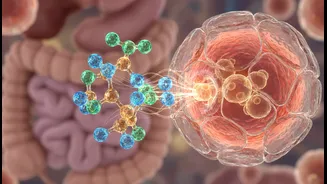
The key to protein quality lies in its amino acid profile and digestibility. Proteins are made of 20 different amino acids, nine of which are 'essential' because our bodies can't make them—we must get them from food. Animal proteins like meat, eggs, and dairy are considered 'complete' because they contain all nine essential amino acids in proportions that our bodies can readily use. Plant proteins often have lower amounts of one or more essential amino acids, such as lysine in grains or methionine in legumes. To more accurately measure this, scientists have moved towards a newer method called the Digestible Indispensable Amino Acid Score (DIAAS). Unlike older methods, DIAAS measures amino acid absorption in the small intestine, giving a truer picture of a protein's value to the body. Animal sources generally score higher on the DIAAS scale, confirming their high bioavailability.
What 'New Research' Really Means
While the idea of protein quality isn't brand new, recent research refines our understanding, especially with the rise of plant-based diets and new dietary guidelines. The 2025-2030 Dietary Guidelines for Americans, for example, have increased the recommended protein intake to a range of 1.2 to 1.6 grams per kilogram of body weight for most adults. This increased recommendation comes with a greater emphasis on protein quality and distribution throughout the day. Research also continues to explore how different factors affect absorption. For instance, the 'food matrix'—the other components in a food—can play a big role. The fiber and 'antinutrients' in some plant foods can slightly reduce protein absorption. Conversely, processing methods like cooking, fermenting, or grinding can break down plant cell walls and make their proteins more accessible. One study even showed that amino acids from cooked eggs are absorbed far more efficiently than from raw eggs.
Eating for Better Absorption
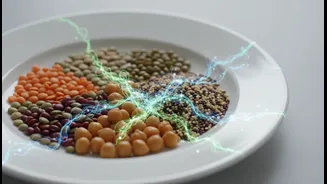
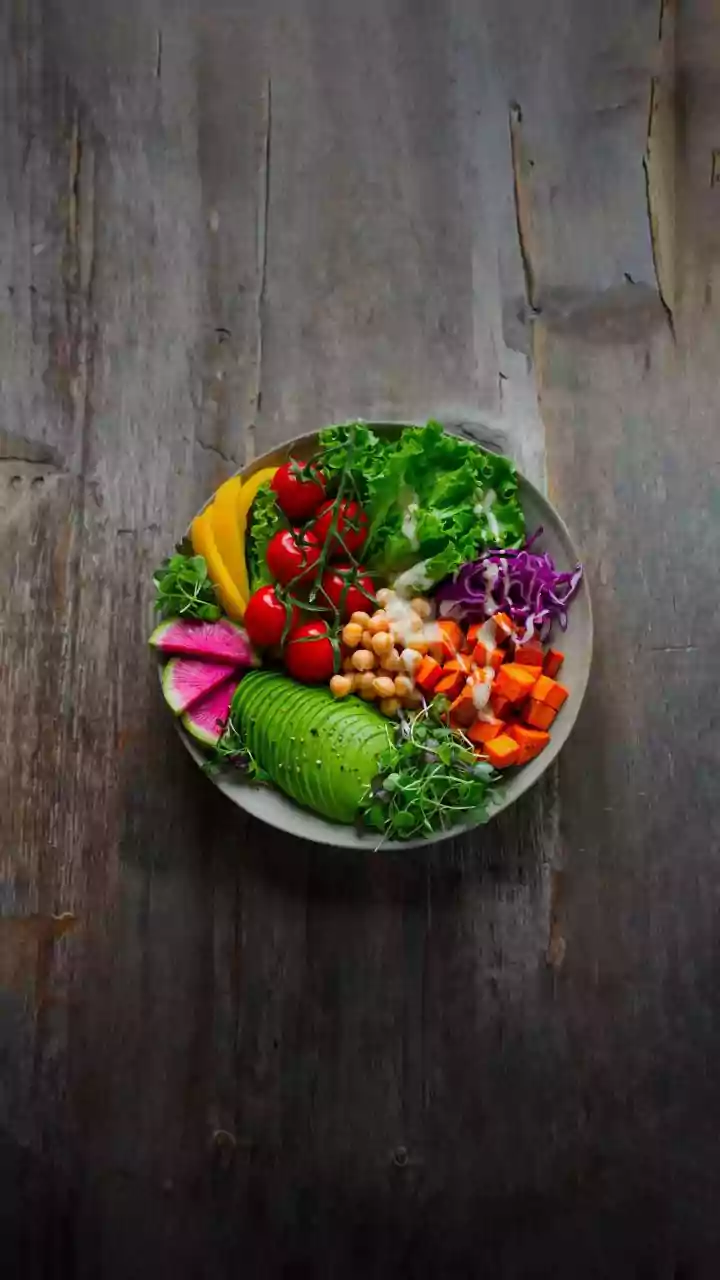
So how do you apply this to your daily life? The goal isn't to demonize certain foods but to build a smarter, more balanced plate. For those who eat animal products, including sources like lean meats, fish, yogurt, and eggs is a straightforward way to get high-quality, bioavailable protein. For those following a plant-based diet, the key is variety and combination. By eating a wide range of plant proteins throughout the day—such as pairing grains (low in lysine) with legumes (high in lysine)—you can create a complete amino acid profile. Soy and quinoa are notable exceptions, as they are complete plant proteins on their own. Ultimately, the focus should shift from a simple gram count to the overall quality of your protein sources. A diet rich in varied, minimally processed whole foods will almost always deliver more usable protein than one reliant on highly processed products, regardless of what the label claims.