



The Foundation of Fasting: Vrat Flours
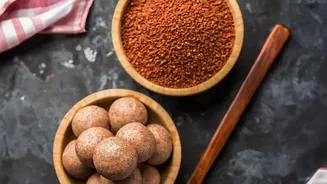
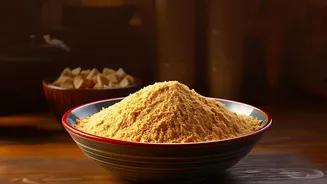
Regular wheat and rice are typically avoided during Sawan fasts. Instead, a special category of 'vrat' flours takes centre stage. Kuttu ka atta (buckwheat flour), singhara atta (water chestnut flour), and rajgira (amaranth flour) are popular choices.
These are not grains but are derived from seeds or fruits, making them permissible. Nutritionally, they are often gluten-free and packed with minerals. Their use is also rooted in Ayurvedic principles, which favour lighter, easily digestible foods during the monsoon when the digestive fire, or 'agni', is believed to be weaker. These flours are used to make everything from crispy puris to wholesome cheelas, providing energy for the fast.
The Comfort Classic: Sabudana
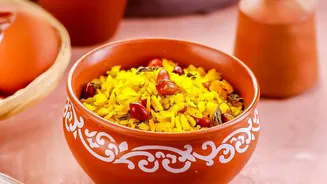
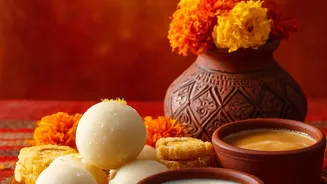
No Sawan fast seems complete without Sabudana, or tapioca pearls. Whether prepared as a savoury khichdi tossed with peanuts and potatoes or a sweet, creamy kheer, sabudana is the ultimate fasting comfort food. As a pure starch, it provides a quick and sustained source of energy, which is crucial when observing a fast. It’s light on the stomach and easy to digest, aligning perfectly with the dietary recommendations for the humid monsoon season. Its versatility has made it a beloved staple in households across the country during Shravan.
The Grain Imposter: Samak Ke Chawal
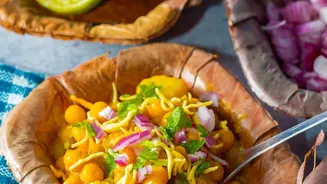
Also known as barnyard millet, 'samak ke chawal' or 'mordhan' is the go-to substitute for rice during Sawan vrat. Despite its name, it is not a true rice but a type of millet that cooks quickly and has a light, fluffy texture. It's often used to make a simple pulao with vrat-friendly vegetables or a comforting khichdi. Samak rice is valued for being easy on the digestive system, a key consideration during the monsoon when gut health can be vulnerable. It provides the satisfaction of a grain-based meal without breaking the rules of the fast.
Nature's Offering: Seasonal Fruits
Fruits are a cornerstone of the Sawan diet, considered a 'phalahar' or fruit-based diet. They are light, hydrating, and packed with essential vitamins and antioxidants that help maintain energy levels and immunity. Bananas, apples, papayas, and pomegranates are common choices. From an Ayurvedic perspective, consuming fresh, seasonal fruits helps to keep the body balanced and nourished without overburdening the sluggish monsoon digestion. They are seen as a pure and natural offering, perfect for a period focused on spiritual and physical cleansing.
The Pure Seasoning: Sendha Namak
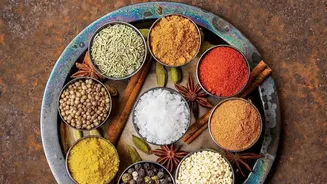
During Sawan fasting, regular table salt is replaced with Sendha Namak, or rock salt. This is not just a culinary swap but a choice rooted in the concept of purity. Rock salt is unprocessed and considered 'sattvic'—pure and calming for the mind and body. In contrast, common table salt is processed and seen as unsuitable for spiritual observances. Beyond its ritual significance, sendha namak provides essential minerals that can help prevent fatigue and maintain electrolyte balance while fasting, making it both a spiritual and a practical choice.
The Nourishers: Milk and Dairy
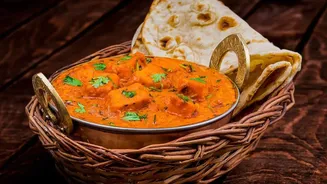
Milk and dairy products like paneer and ghee play a vital role in Sawan traditions. Milk holds special significance as it is offered to Lord Shiva during prayers. For those fasting, dairy products are an important source of protein and calcium, adding richness and satiety to meals. While fresh curd is sometimes debated, with some avoiding it due to its 'cooling' nature which can increase congestion in damp weather, milk and paneer are widely consumed. Ghee, used in moderation, is considered nourishing and helps in the gentle digestion of food.
The Humble Powerhouses: Root Vegetables
While many leafy green vegetables are avoided during Sawan due to the higher risk of contamination from insects and germs in the monsoon, certain vegetables are embraced. Root vegetables and gourds like potatoes, sweet potatoes, lauki (bottle gourd), and arbi (colocasia) are vrat-friendly staples. These vegetables are filling, easy to cook, and versatile. A simple 'vrat wale aloo' sabzi, made with potatoes, cumin, and rock salt, is a classic accompaniment to kuttu puris. Their inclusion ensures that fasting meals are not just about abstinence but also about wholesome, grounding nourishment.