


Meet the Under-appreciated Superfood
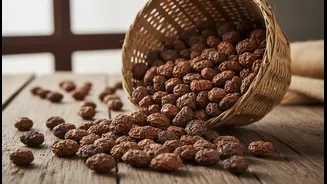
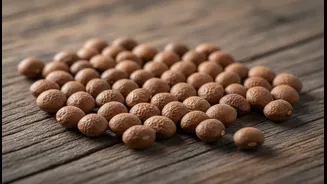
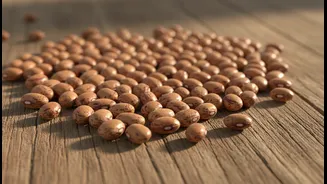
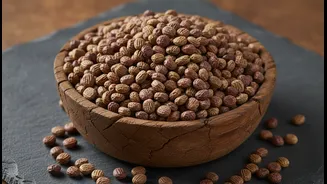
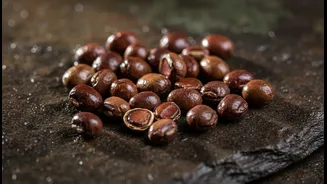
Horse gram, known as kulthi in Hindi, kollu in Tamil, and hurali in Kannada, is a small but mighty legume that has been a part of Indian diets for centuries. Though its name comes from its traditional use as fodder for cattle and racehorses, this lentil
is a nutritional powerhouse for humans. Packed with more protein and calcium than most other pulses, it is also a fantastic source of iron, fibre, and antioxidants. Despite its incredible benefits, it fell out of favour in many urban kitchens, but its resilience and health-giving properties are bringing it back into the spotlight.
The Nutritional Punch of Horse Gram
The primary reason for horse gram's resurgence is its stellar nutritional profile. It boasts one of the highest protein contents among lentils, making it an excellent choice for vegetarians and anyone looking to boost their protein intake. Beyond protein, it is rich in minerals essential for bone health like calcium and phosphorus. Its high fibre content aids digestion and promotes a feeling of fullness, which can be beneficial for weight management. Traditionally, in Ayurveda, horse gram is considered a warming food, believed to generate energy and help with ailments like colds and coughs.
How to Prepare and Cook Horse Gram
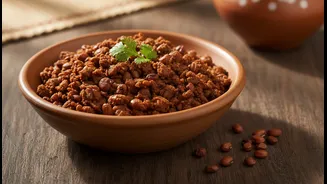
Horse gram has a reputation for being tough, but with a little preparation, it's easy to manage. The key is soaking. Due to its hard outer shell, it's essential to soak the lentils for at least 8 hours or overnight. After soaking, drain the water and they are ready to cook. The most efficient method is using a pressure cooker. It typically requires a longer cooking time than other dals, around 40 minutes or 5-6 whistles, to become tender and easily mashable. The cooking water is incredibly nutritious and flavourful, so don't throw it away; it forms the perfect base for soups and rasams.
Easy Ways to Add Horse Gram to Your Meals
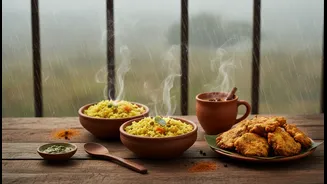
Incorporating horse gram into your diet doesn't have to be complicated. Here are a few simple ideas to get you started: 1. Classic Kulthi Dal: The easiest entry point is a simple dal. After pressure cooking, you can prepare it just like any other dal with a tadka of mustard seeds, cumin, garlic, and onions. Its unique, earthy flavour pairs well with a squeeze of tamarind and a hint of jaggery to balance the taste. 2. Nourishing Kollu Rasam: A staple in South India, this peppery, tangy soup is both a comfort food and a remedy for colds. Use the nutritious water from the cooked horse gram as the base, add tamarind, tomatoes, and a blend of spices for a soul-warming dish served with hot rice. 3. Sprouted Horse Gram Salad: For a no-cook option, sprout the soaked horse gram. This process makes it easier to digest and enhances its nutritional value. Toss the sprouts with chopped cucumber, onions, tomatoes, and a simple dressing of lemon juice and chaat masala for a crunchy, protein-rich salad. 4. Flour and Powders: You can find horse gram flour or even make your own by roasting and grinding the lentils. This flour can be added to regular wheat flour to make nutritious parathas or mixed into dosa and idli batters for a protein boost.