


The End of a Monumental Era
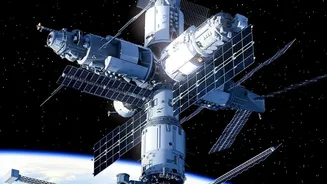
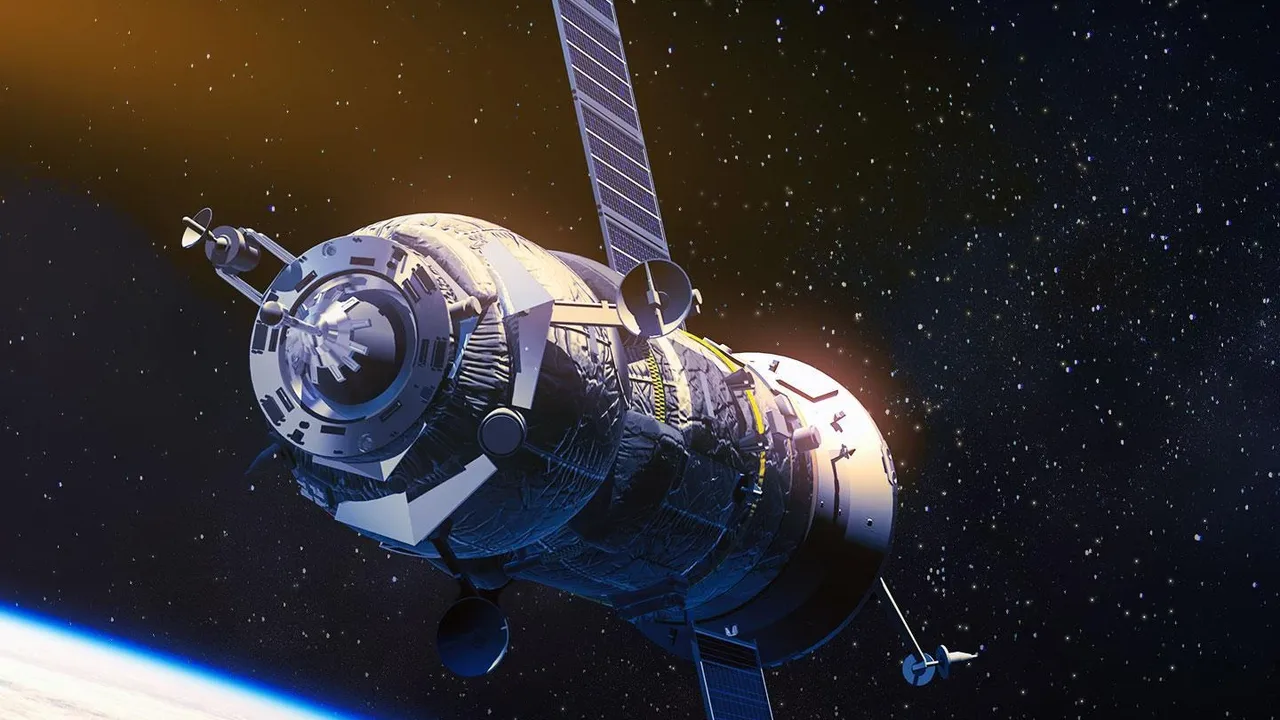
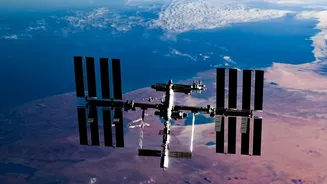
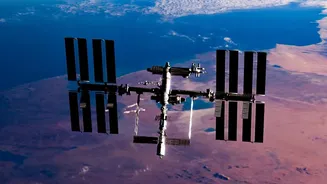
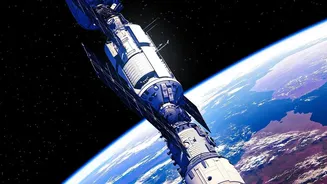
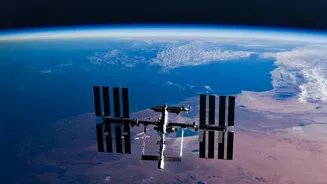
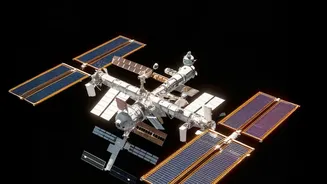
Since November 2000, the ISS has been continuously inhabited, a nearly 450,000-kilogram symbol of international cooperation and scientific achievement. However, all complex machines have a lifespan. The station's oldest modules have been in orbit since
1998, and after three decades of service, factors like structural fatigue, rising maintenance costs, and persistent issues like small air leaks make its continued operation beyond 2030 unsustainable. NASA and its partners have a clear plan: a controlled deorbit that will see the station break up over a remote area of the Pacific Ocean. This sets a firm deadline for what comes next, creating a sense of urgency to prevent a gap in America's presence in low-Earth orbit.
NASA's New Role: From Owner to Customer
Instead of building a single, government-owned successor, NASA is pivoting its strategy. Through its Commercial Low-Earth Orbit Destinations (CLD) program, the agency is fostering a private-sector marketplace for space habitats. The goal is for NASA to become just one of many customers, buying services like astronaut time and research capacity from commercial station operators. This shift mirrors the successful Commercial Crew and Cargo programs that saw companies like SpaceX take over the job of transporting astronauts and supplies to the ISS, saving the agency an estimated $1 billion a year. By investing seed money into several competing ventures, NASA hopes to spur innovation and ensure at least one private station is operational before the ISS takes its final plunge.
The Contenders: A Field of Innovators
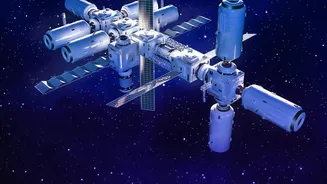
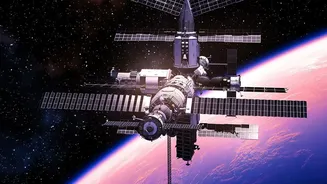
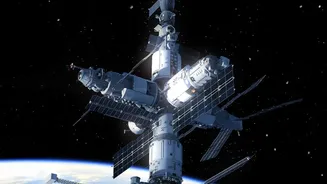
Several companies are now in a race to build the first generation of private space stations. Axiom Space, which has already flown four private missions to the ISS, plans to first attach its own modules to the station starting around 2027 before detaching to form a free-flying outpost. Another key player, Vast, is developing Haven-1, a smaller, single-module station targeting a launch in early 2027. The Starlab project, a joint venture between Voyager Space and Airbus, is developing a station focused on research, while Blue Origin and Sierra Space are partnered on Orbital Reef, envisioned as a 'mixed-use business park' in space.
Different Designs for a New Frontier
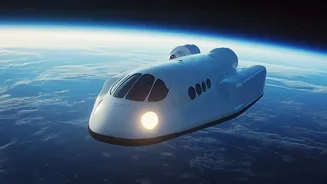
The proposed stations feature a variety of designs. Axiom's 'bridge' approach allows it to test its hardware in a proven environment before going solo. Vast's Haven-1 is designed for speed and efficiency, launching as a single, complete unit. In contrast, Orbital Reef and Starlab are planned as larger, modular platforms. Starlab, for instance, is being designed to launch in a single flight aboard SpaceX's massive Starship vehicle and will support up to four astronauts with a heavy focus on science. Orbital Reef is being built around Sierra Space's inflatable LIFE habitat, designed to create a large, flexible volume for up to 10 people. These different approaches reflect the diverse potential markets, from sovereign astronaut missions and scientific research to in-space manufacturing and even tourism.
Challenges on the Final Frontier
The timeline is ambitious, and the technical and financial hurdles are significant. Each company must not only finalize its designs and build flight-ready hardware but also secure the immense funding required for launch and operations. Axiom Space, for instance, raised $350 million in early 2026 to accelerate its work. While NASA provides crucial seed funding through the CLD program, the bulk of the cost must come from private investment. The primary risk is a potential gap between the ISS decommissioning and the first commercial station becoming fully operational. Any significant delays could leave the United States without a human presence in low-Earth orbit for the first time in over 30 years.