


The Challenge of City Skies
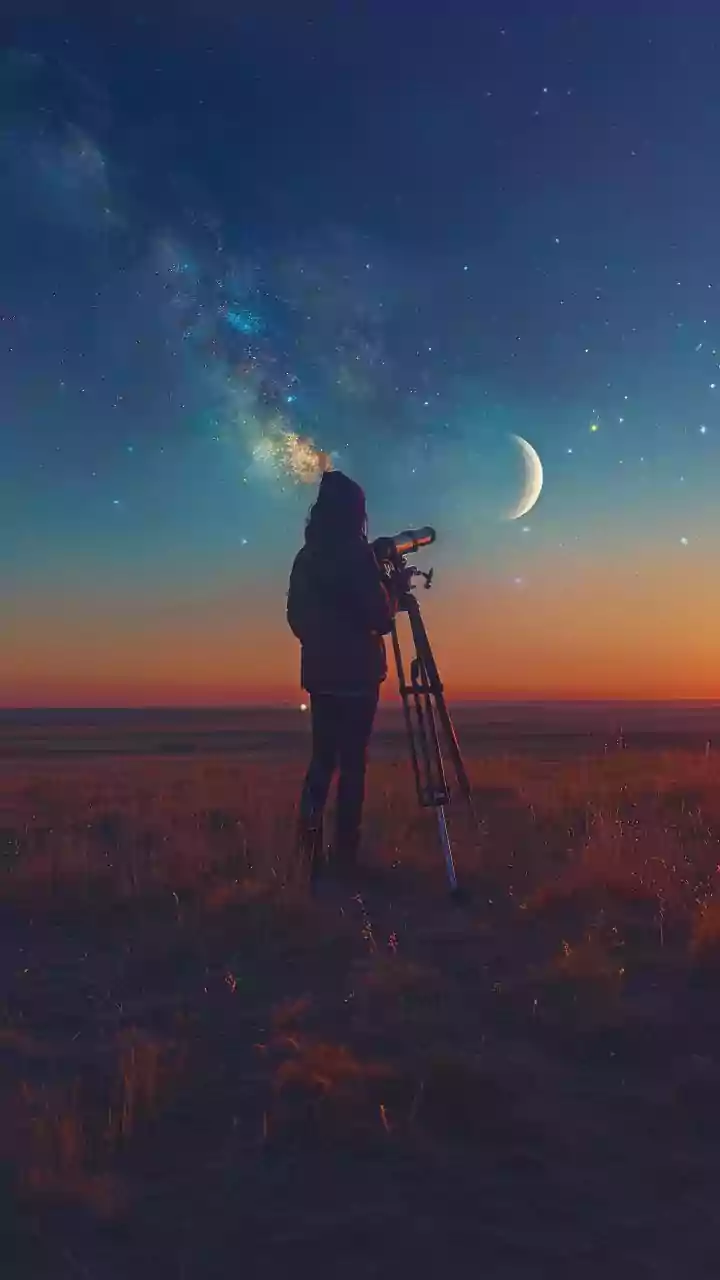
Light pollution is the biggest hurdle for urban stargazers. The ambient glow from buildings, streetlights, and cars creates a bright veil over the night sky, making it difficult to see fainter stars and celestial objects. However, not all is lost. Planets
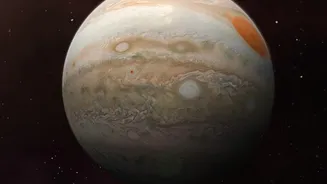
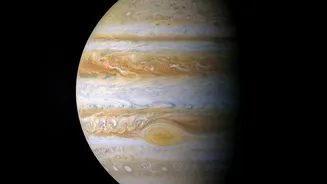
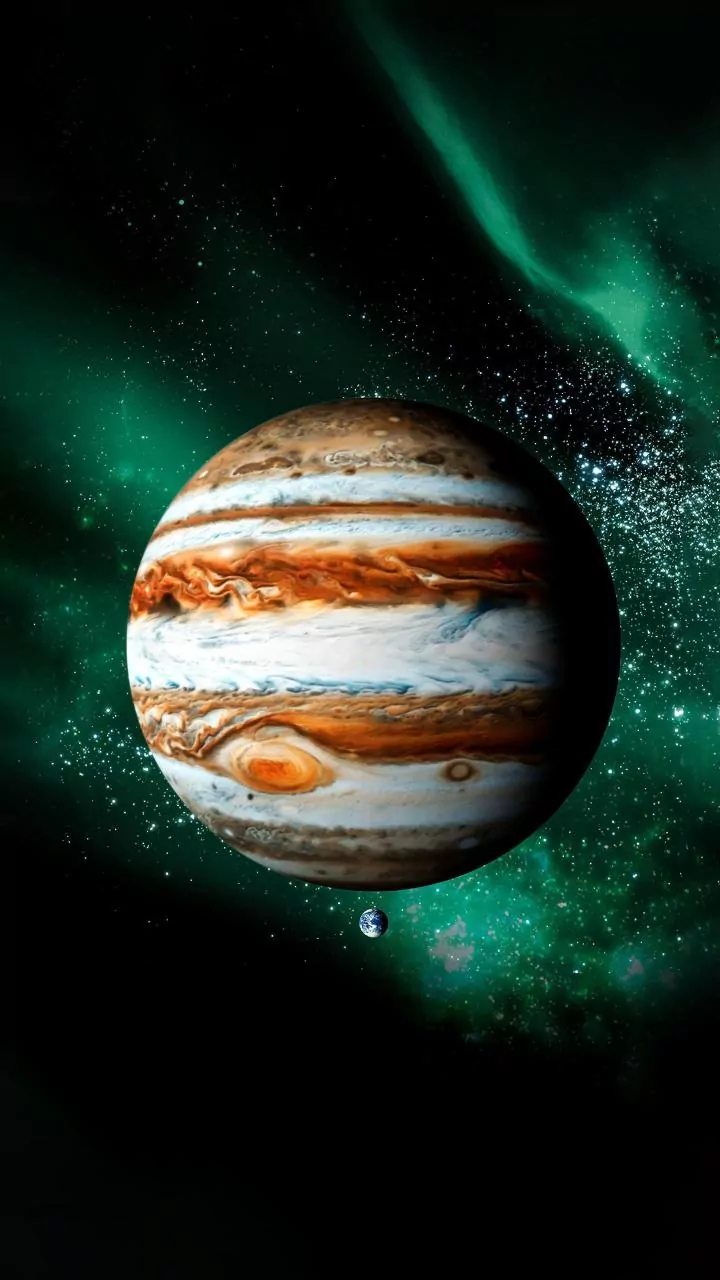
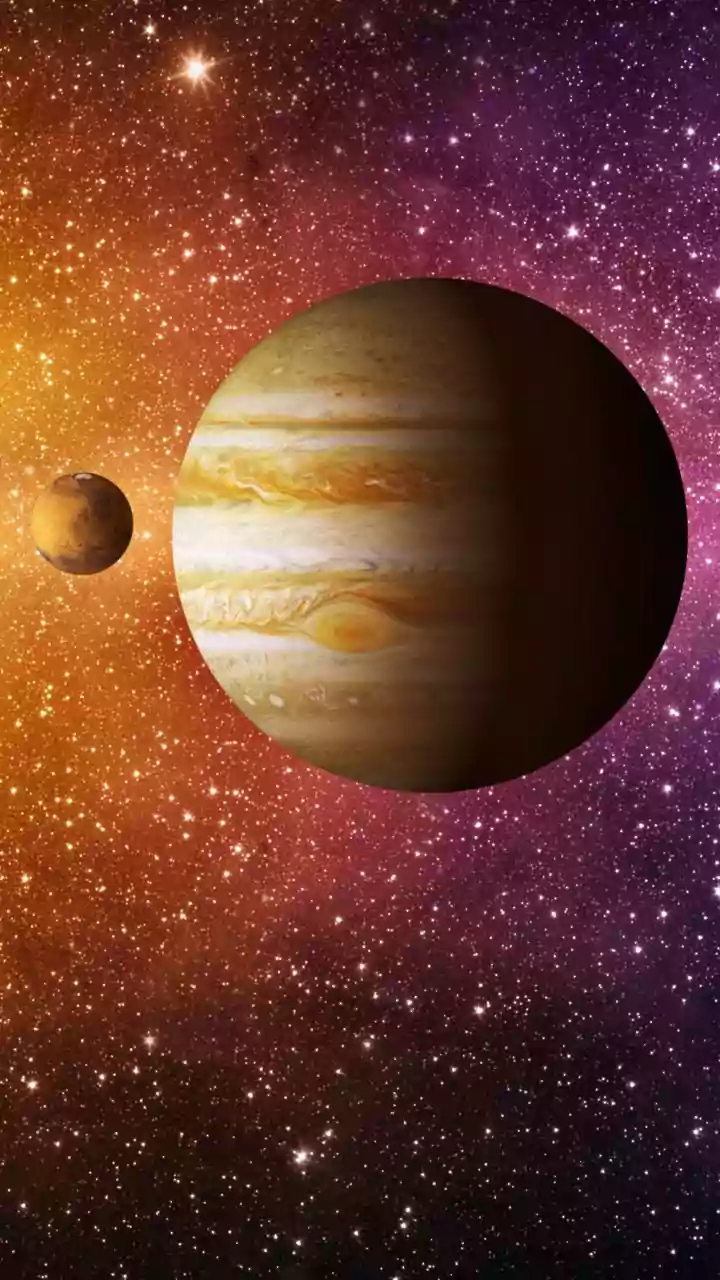
like Jupiter and Saturn are incredibly bright, much brighter than distant stars. Their powerful, steady light can often punch through the haze of a city sky, making them surprisingly accessible targets for anyone willing to look up. During September 2026, both planets are well-positioned for viewing. Saturn rises in the east shortly after sunset and is visible for most of the night. Jupiter makes its appearance in the pre-dawn eastern sky, shining brilliantly before sunrise. The key is knowing exactly where—and how—to look.
Your Smartphone, Your Planetarium
This is where your smartphone transforms from a simple communication device into a powerful astronomical tool. Modern stargazing apps use your phone's built-in GPS and compass to create a real-time map of the sky above you. By simply pointing your phone towards the sky, the app can identify stars, constellations, and, most importantly, planets. This technology, often called augmented reality (AR), overlays information directly onto your camera's view, showing you exactly what you're looking at. It effectively removes the guesswork and makes finding celestial objects as easy as following an on-screen arrow. These apps are the perfect 'plugin' for navigating the cosmos from your balcony or a local park.
Top Apps to Guide Your Gaze
There are many excellent and free astronomy apps available for both iOS and Android devices. For beginners, a few stand out for their user-friendly design and powerful features. Star Walk 2 is a popular choice, known for its beautiful interface and easy-to-use AR mode that helps you find planets effortlessly. SkyView Lite is another fantastic option that allows you to point your phone at the sky to identify objects in real-time, day or night. Stellarium Mobile is also highly recommended by astronomy enthusiasts for its detailed and accurate star charts. Most of these apps function offline once downloaded, making them perfect for any stargazing situation. Many also include features like a red-light 'night mode' to help preserve your night vision while you observe.
A Simple Step-by-Step Guide
Ready to find Jupiter and Saturn? Here's how to do it in just a few simple steps. First, download one of the recommended apps like Star Walk 2 or SkyView Lite. Once installed, grant the app permission to use your location so it can generate an accurate sky map. For the best results, briefly calibrate your phone's compass if prompted. Open the app's search function and type in 'Saturn' or 'Jupiter'. The app will show you its current position. Now for the magic: activate the AR or live view mode (often a compass or camera icon). An arrow will appear on your screen. Simply follow the arrow, moving your phone across the sky, until it points you directly to the planet. Even if you can't see it immediately with your naked eye, the app will confirm you are aimed at the right spot.
Pro Tips for Urban Stargazers
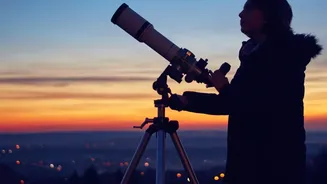
To improve your chances of a successful sighting, a few extra tips can make a big difference. Try to find a viewing spot with the clearest possible view of the horizon, away from the direct glare of streetlights. A rooftop, a quiet park, or even an upper-floor window can work. Give your eyes time to adjust to the darkness; it can take 15-20 minutes for them to become more sensitive to faint light. Patience is key. While Jupiter is exceptionally bright and hard to miss, Saturn can be a bit more subtle, appearing as a steady, yellowish-white point of light. For September 2026, remember to look for Saturn in the evening sky and Jupiter in the hours before dawn.