







A Season of Deficient Rains
The 2026 southwest monsoon has officially underperformed, concluding as one of the weakest in recent years. According to meteorological data, the cumulative rainfall deficit for the season stands significantly below the long-period average, with some
reports pegging the all-India deficit at around 15%. This isn't just a number; it represents a critical shortage of water for India's vast rain-fed agricultural belts. The distribution of rain was also worryingly uneven. Regions like the South Peninsula and East and Northeast India have been particularly hard-hit, with deficits exceeding 20%. Key pulse-growing states, including Karnataka and Maharashtra, have faced prolonged dry spells, affecting soil moisture just when crops need it most for growth and yield formation. This has prompted rating agencies to cut India's agricultural growth forecasts for the fiscal year.
The Pulse Predicament
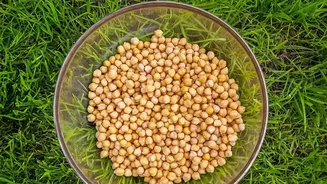
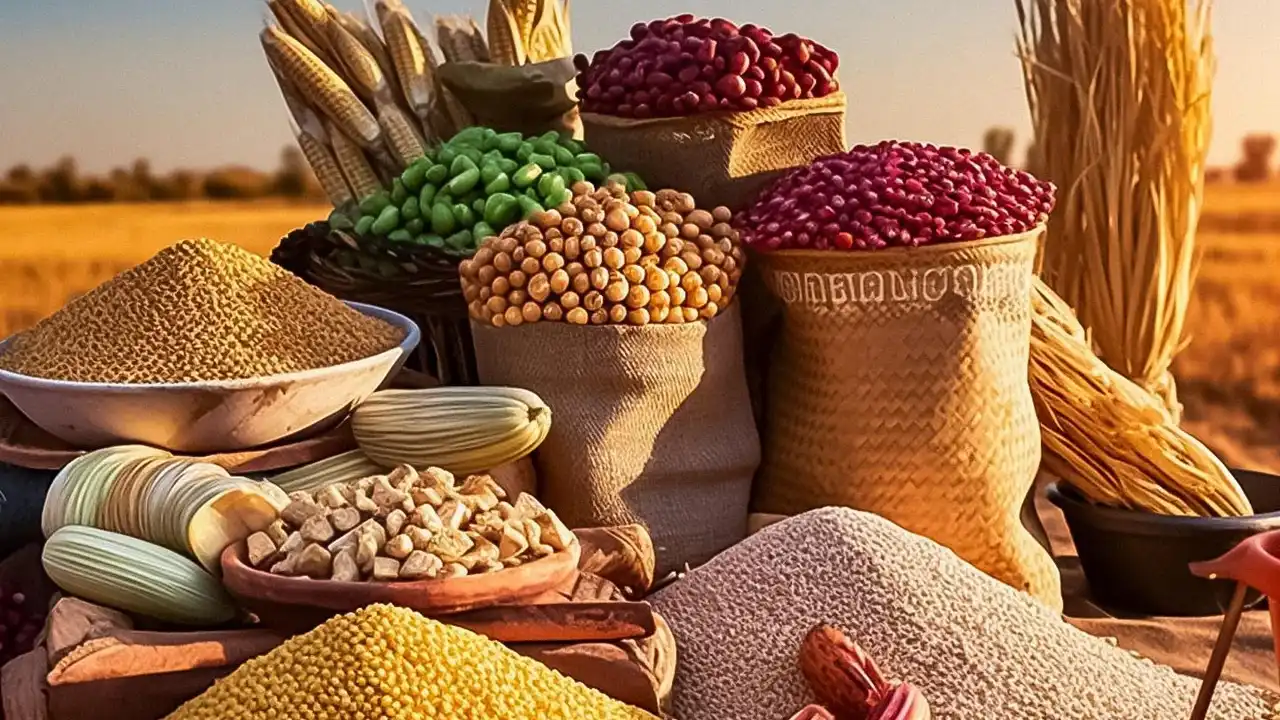
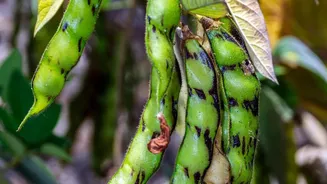
Pulses, the primary source of protein for a majority of Indians, are highly vulnerable to the whims of the monsoon. Kharif-sown varieties like tur (arhar or pigeon pea) and urad (black gram) are predominantly grown in rain-fed areas, making their output directly dependent on timely and adequate rainfall. With the monsoon failing to deliver, the sowing area for pulses has trailed previous years' levels. Even where sowing was completed, the lack of subsequent rain during critical growth stages threatens to severely curtail crop yields, with analysts projecting a potential contraction of 10-20% for crops like tur and urad. This shortfall is particularly concerning as it comes ahead of India's festive season, a period when demand for pulses typically surges.
From Farm to Your Kitchen: The Inflation Link
A lower-than-expected harvest almost always translates to higher prices, and this year is no exception. The spectre of rising food inflation is looming large, with pulses at the centre of the storm. Even before the full impact of the weak monsoon is felt, prices for key pulses have remained elevated. For instance, year-on-year inflation for pigeon peas and black gram was already running high in late summer. Economists now warn that food inflation, which stood near 6% in August, could climb to between 7% and 8% in the coming months as the supply crunch from the weak kharif season hits the market. This price pressure directly impacts household budgets and poses a significant challenge for the Reserve Bank of India (RBI), which has been flagging food price uncertainty as a key risk.
The Government's Tightrope Walk
In response to the anticipated shortfall and rising prices, the government is weighing its options. One of the most discussed measures is to lower import tariffs on certain pulses, such as lentils and yellow peas, to bolster domestic supplies. India has already extended duty-free import windows for pigeon peas and black gram until March 2027. However, policymakers face a delicate balancing act. While lowering duties can help cool consumer prices, it can also depress domestic market rates, affecting the incomes of millions of farmers who are already struggling with a poor harvest. Other tools at the government's disposal include releasing pulses from strategic buffer stocks and cracking down on hoarding. The decisions made in the coming weeks will be crucial in managing market sentiment and availability.
The Broader Economic Ripple Effect
The impact of a weak monsoon extends far beyond the price of dal. Lower agricultural output and strained farm incomes are expected to dampen rural demand. This can have a cascading effect on the broader economy, affecting sales of everything from fast-moving consumer goods to two-wheelers. Real rural wages have already shown signs of contraction due to inflation, and a poor harvest could worsen this trend. For the central bank, persistent food inflation complicates monetary policy decisions, making it harder to control the overall price level without stifling economic growth. The health of the agricultural sector remains a critical barometer for the entire Indian economy, and this year's monsoon deficit will be a test of its resilience.