








The Cardio Kingdom's Changing Guard
For years, the formula for getting in shape seemed simple: burn calories. This belief placed cardiovascular exercise, particularly long, steady sessions of running or cycling, on a throne. The goal was to out-exercise a poor diet, with the 'calories in,
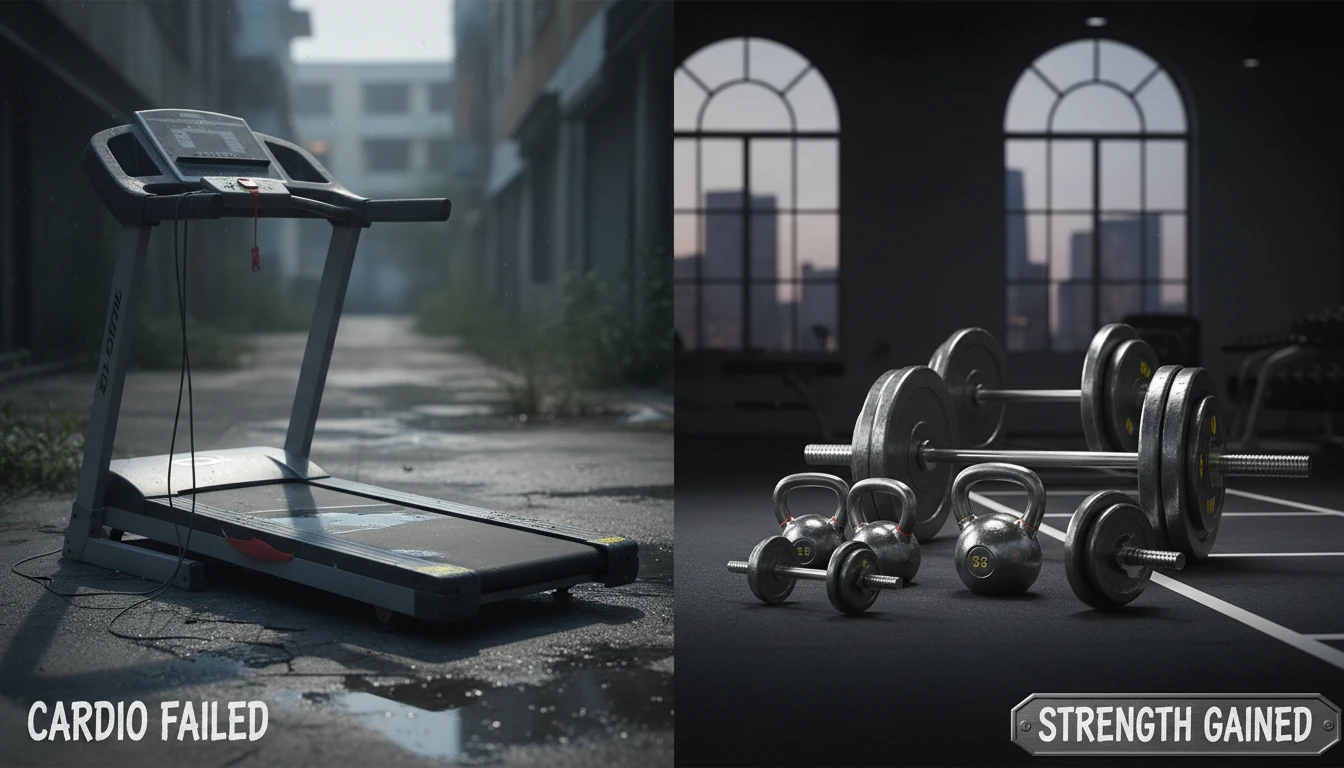
calories out' mantra echoing through gym halls. Cardio was hailed as the undisputed king for weight loss and heart health. However, a quiet revolution has been building, and it's now in full swing. Fitness enthusiasts and experts alike are increasingly looking past the cardio floor and toward the squat rack. This isn't just a fleeting trend; it's a fundamental reset in how we understand physical wellness, driven by new research and a desire for more efficient, functional, and lasting results.
The Metabolic Power of Muscle
One of the biggest drivers of this shift is a better understanding of metabolism. While a long run burns calories during the activity, strength training offers a benefit that continues long after you've left the gym. Building lean muscle tissue is the key. Muscle is more metabolically active than fat, meaning it burns more calories at rest. By adding even a few pounds of muscle through resistance training, you effectively increase your body's baseline calorie-burning engine. This 'afterburn' effect, scientifically known as excess post-exercise oxygen consumption (EPOC), is more pronounced with strength work. This makes it a powerful tool for sustainable body composition changes, moving the focus from temporary calorie burn to building a stronger, more efficient metabolic system.
More Than Just Biceps
The benefits of lifting weights go far beyond aesthetics. Scientific studies now highlight a wide array of health advantages. Resistance training is one of the most effective ways to improve bone density, which is crucial for preventing osteoporosis as we age. It also improves the body's sensitivity to insulin, helping to regulate blood sugar and reduce the risk of type 2 diabetes. Furthermore, strength training is increasingly recognized for its profound impact on mental health, with studies showing it can reduce symptoms of anxiety and depression. It also builds functional strength, making everyday activities like carrying groceries, playing with children, and climbing stairs easier and safer, thereby improving overall quality of life and promoting longevity.
So, Should You Ditch Your Running Shoes?
Absolutely not. The rise of strength training isn't a declaration of war on cardio; it's an invitation to a more balanced approach. Cardiovascular exercise remains essential for heart and lung health, endurance, and stress relief. The key is to see the two not as rivals, but as partners in a holistic fitness plan. The problem wasn't cardio itself, but the overemphasis on long, slow, steady-state sessions as the only solution, which can lead to repetitive stress injuries, boredom, and fitness plateaus. Experts now suggest that the most significant health benefits come from combining both types of training. A well-rounded routine leverages strength training to build a robust and resilient body, while using cardio to maintain a healthy heart and vascular system.
Finding Your Fitness Sweet Spot
Integrating strength training doesn't mean you need to become a bodybuilder overnight. For beginners, starting with two to three sessions per week is a great goal. You can begin with bodyweight exercises like squats, push-ups, and lunges before progressing to free weights or resistance bands. Recent research suggests a sweet spot of around 90-120 minutes of strength training per week for optimal longevity benefits. This can be balanced with a few cardio sessions, which could include anything from a brisk walk or a short jog to a more intense HIIT (High-Intensity Interval Training) workout. The most effective workout plan is one that you can stick with consistently. The new fitness mantra is about building a strong, capable body that can serve you well for decades, and that requires a smart, balanced approach.