







Airtight is Non-Negotiable
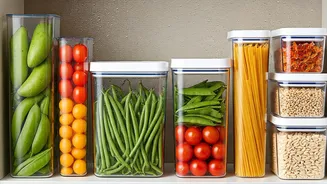
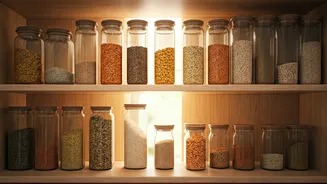
The single most important rule for monsoon kitchen storage is to eliminate air exposure. High humidity during the rains means that items like biscuits, chips, salt, and sugar will quickly turn soggy, clumpy, or stale if left in their original packets.
Transfer everything from spices and grains to snacks and flours into high-quality airtight containers immediately after opening. Glass or steel jars are often better than plastic as they don't absorb odours. This simple step is your first and best line of defence against moisture damage.
Keep Grains and Pulses Dry
Grains, flours, and pulses are highly susceptible to moisture, which can lead to mould and attract pests like weevils. Before storing, you can lightly dry-roast items like dals and suji (semolina) for a few minutes to remove any existing moisture, then let them cool completely before sealing them in a jar. For rice and atta, adding a few dried bay leaves (tej patta) or whole dried red chillies to the container can act as a natural pest repellent. Never store bags of grains directly on the floor, as moisture can seep in from below; use a shelf or a wooden plank instead.
Handle Spices with Care
Humidity can rob spices of their aroma and flavour, and cause powdered masalas to clump together. Store them in a cool, dry cupboard away from the stove and sink. The steam from cooking is a major enemy, so avoid shaking spice jars directly over a hot pot. Always use a completely dry spoon when scooping out spices. Some old-school wisdom, like adding a few grains of uncooked rice to your salt shaker, can help absorb excess moisture.
Refrigerate and Prep Vegetables Smartly
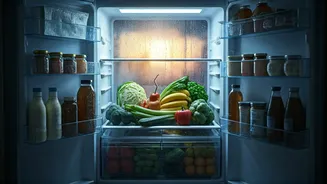
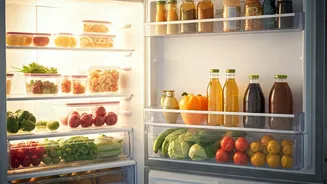
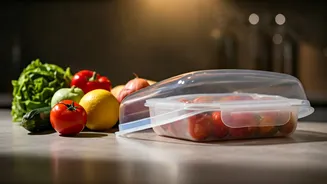
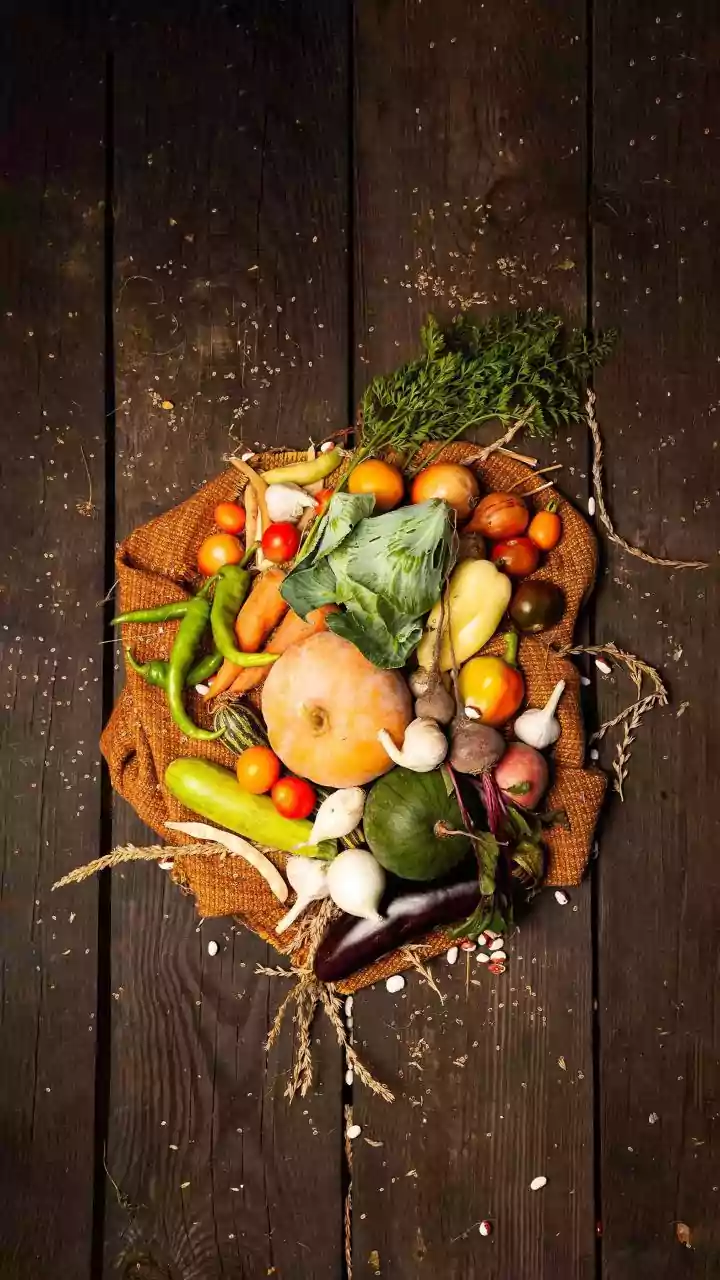
The monsoon is not the time to buy leafy green vegetables in bulk, as they spoil quickly. Wash vegetables thoroughly upon bringing them home; a soak in salt water can help remove dirt and tiny insects common during this season. The most critical step is to dry them completely before refrigeration. Wrap greens in paper towels or newspaper before placing them in the fridge to absorb extra moisture. For produce like apples and tomatoes that release ethylene gas, store them separately to prevent other vegetables from ripening too fast.
Deep Clean and Maintain
Your cleaning routine needs to be more frequent during the monsoon. Wipe down countertops, stovetops, and cabinet doors daily, as the dampness makes surfaces a breeding ground for bacteria. Pay special attention to hidden areas like the space under the sink, cabinet corners, and tile grout, which are prone to mould. Placing natural moisture absorbers like camphor balls or a small bowl of baking soda inside cabinets can help combat musty smells. Ensure your kitchen drains are cleaned weekly to prevent clogging and bad odours, which attract pests.
Protect Dry Fruits and Snacks
Expensive items like dry fruits are a favourite target for pests and mould during the rains. The best way to keep them safe is by storing them in airtight containers in the refrigerator or freezer. For snacks like biscuits and namkeen, transferring them to airtight steel or glass jars is essential to maintain their crunch. You can even repurpose food-safe silica gel packets that come with other products by placing them in your snack containers to absorb any stray moisture.