


Why Texture Is The Secret Ingredient
When we cook, we naturally focus on flavour. But texture is what provides the foundation for our overall enjoyment of food. It's the physical sensation in our mouth—crispy, creamy, chewy, or crunchy—that provides our first and often lasting impression
of a dish. Think about it: a soggy samosa, a watery dal, or a dense, rubbery cake might have all the right flavours, but the experience is a letdown. That’s because texture, or 'mouthfeel', is a complex sensory experience that signals quality and freshness. In fact, research shows that more than half of all consumers would reject a food product if they disliked its texture, proving it's just as important as taste. When making substitutions, if you only chase flavour, you risk losing the very structure that makes a dish work.
The Science of Mouthfeel
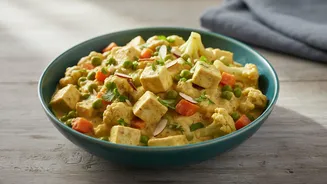
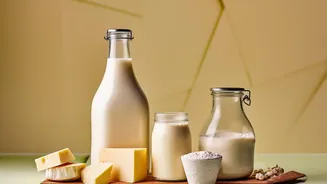
The term 'mouthfeel' describes the tactile sensations perceived when you eat or drink. It’s a combination of an ingredient's physical properties—like viscosity, hardness, and graininess—and how they interact with your mouth. Every ingredient in a recipe plays a specific role in creating the final texture. In baking, for example, this is a delicate science. Flour provides structure, fats like butter and oil add tenderness, sugar controls moisture, and eggs create airiness. Change one of these elements without a careful counter-move, and the whole system can fall apart, resulting in a dish that's too dry, gummy, or greasy. In curries, the creaminess might come from the fat content in coconut milk, the thickness of yogurt, or the smooth blend of cashews. Swapping one for another without understanding their properties can drastically alter the final consistency.
Common Texture Traps to Avoid
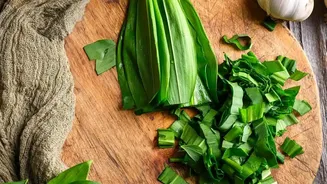
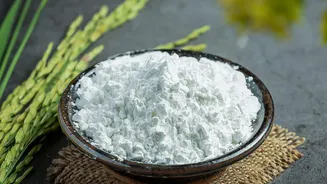
Some substitutions are more notorious for causing textural disasters than others. A frequent mistake is replacing solid fats with liquid ones in the wrong context. In recipes that require creaming butter and sugar to incorporate air, such as cookies and cakes, swapping in oil will result in a dense, greasy product. Similarly, making a healthy switch by replacing all the fat in a baked good with applesauce or another fruit puree can lead to a gummy or overly dense texture. When creating creamy sauces or curries, simply replacing cream with milk without a thickening agent like a cornstarch slurry will leave you with a thin, watery result. Even in vegetable swaps, it's crucial to match texture. Substituting a crisp vegetable like bell pepper for a soft one like zucchini in a stir-fry will change the entire character of the dish.
A Guide to Smart, Textured Swaps
So, how do you substitute successfully? The key is to think about what the original ingredient contributes to the texture. For creating creamy, rich gravies in Indian cooking, if you're out of cream, a paste of soaked and blended cashews can provide a similar luxurious thickness. Full-fat Greek yogurt is another excellent option for adding body, though it should be added at the end of cooking to prevent curdling. For a dairy-free alternative, blended silken tofu can mimic the custard-like consistency of dairy without overpowering the spices. In baking, substitutions require more care. If replacing butter with oil in cakes or muffins, a general rule is to use about three-quarters of the amount of oil. For instance, if a recipe calls for 1 cup of butter, use ¾ cup of oil. When substituting flours, especially with gluten-free options, it's often best to use a blend rather than a single type to better replicate the structure and avoid a gummy or crumbly result. When aiming to reduce fat, instead of a 1:1 swap with a puree, try replacing only half the fat to retain some of the original tenderness.