



The Great Indian Space Crunch
Across Mumbai, Bengaluru, Delhi, and Pune, a new generation of students and young professionals is flocking to cities for opportunities. This migration has fuelled a boom in co-living and shared apartments, where personal space is a premium commodity.
The challenge is universal: how to fit a bedroom, workspace, and social area into a single room without it feeling cluttered and chaotic. Traditional, bulky furniture, often built for larger family homes, simply doesn't fit this modern, transient lifestyle. It's rigid, heavy, and occupies a fixed footprint, making small spaces feel even smaller.
Enter: The Magic of Modular
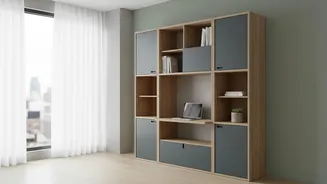
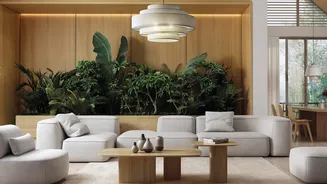
Modular furniture is the clever solution to this urban puzzle. Unlike traditional pieces, it consists of individual, pre-made units that can be combined, reconfigured, and adapted to your specific needs. Think of it like building blocks for adults. These pieces are designed for flexibility, allowing you to create a customised layout that fits your room's exact dimensions. Because the components are factory-made, they offer consistent quality and can be assembled and dismantled with ease, making them perfect for renters who move frequently.
The Power of the Double Duty
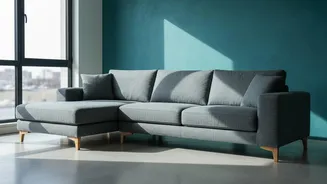
The true genius of flexible furniture lies in its multi-functionality. A sofa seamlessly transforms into a guest bed, a coffee table lifts to become a dining or work surface, and a bed frame reveals a massive storage compartment underneath with a simple hydraulic lift. These pieces work double-duty, allowing one room to serve multiple purposes. A sofa-cum-bed, for instance, is a non-negotiable for anyone who wants to host friends but lacks a dedicated guest room. An extendable dining table stays compact for daily use but expands to welcome guests for a weekend dinner. This ability to adapt means you don't have to sacrifice functionality for space.
Your Space, Your Way
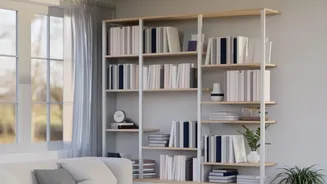
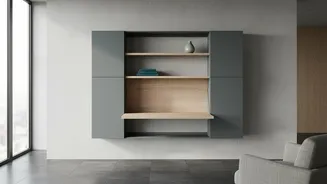
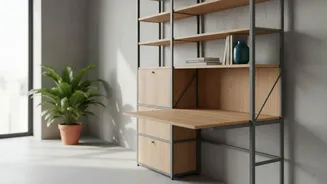
Co-living often means adapting to a pre-existing environment, but modular furniture hands back a degree of control. As your needs change, so can your furniture. You can add new storage units, rearrange a sectional sofa, or integrate a fold-out desk into a wardrobe. This adaptability is crucial in a work-from-home era, where a living room must double as an office. This approach ensures that your furniture evolves with your lifestyle, rather than dictating it. It’s about creating a home that can pivot without looking messy or temporary.
More Than Just Space: A Calmer Mind
The benefits of a well-organised space extend beyond the physical. A cluttered, cramped environment can contribute to stress, whereas a tidy and streamlined home can have a positive impact on mental well-being. By providing smart, hidden storage solutions—like drawers under the bed or integrated cabinets—modular designs help you maintain a clutter-free home. This sense of order and the ability to control and adapt your personal space can lead to a calmer, more productive state of mind, turning your compact apartment into a true sanctuary.
A Smarter Investment for Renters
While traditional, custom-built furniture can be expensive and is permanent, modular furniture often presents a more cost-effective solution. The initial investment can be lower, and since the pieces are not built-in, you can take them with you when you move. This is a huge advantage for the transient urban population. Furthermore, if one component gets damaged, you can often replace that single part instead of the entire unit, saving money in the long run. The efficiency of factory production also reduces material waste, making it a more sustainable choice.