









The Desk-to-Track Dilemma
The life of an office runner is one of contrasts. Hours spent sitting can contribute to a decrease in bone density, as inactivity signals to your body that strong skeletal structures aren't a priority. Then, you hit the pavement. Running, a weight-bearing
exercise, subjects your bones to repetitive impact. While this stress is crucial for stimulating bone growth, it requires a robust and resilient skeletal frame to handle the load without succumbing to stress fractures and other injuries. This combination—a sedentary day followed by intense physical stress—creates a critical need for superior nutritional support, especially for your bones.
Enter Ragi: India’s Ancient Bone-Builder
Before the rise of protein shakes and imported superfoods, there was ragi. Also known as finger millet or nachni, this humble grain has been a nutritional cornerstone in Indian households for centuries. While it boasts a well-rounded profile of protein, fibre, and essential amino acids, its true superpower lies in its phenomenal calcium content. For the modern office runner, ragi isn't just a nostalgic food; it is a perfectly designed, locally available tool to fortify the very foundation of your athletic pursuits.
Decoding Ragi’s Calcium Superiority
When we think of calcium, milk is often the first thing that comes to mind. However, gram for gram, ragi is a far denser source of this essential mineral. A 100-gram serving of ragi flour contains approximately 344 mg of calcium, which is nearly three times the amount found in the same quantity of milk. This makes it one of the richest plant-based sources of calcium available, ideal for everyone, including those who are lactose intolerant or follow a vegan diet. This high calcium density means you can meet a significant portion of your daily requirement through your regular meals, building a stronger skeletal framework with every bite.
The Magic of Traditional Formulations
Simply having high calcium content isn't the full story; the body must be able to absorb it. Raw ragi, like many plant-based foods, contains compounds called phytates, which can bind to minerals and hinder their absorption. This is where traditional Indian wisdom shines. Methods passed down through generations—sprouting, fermenting, and malting—are not just for flavour or preservation; they are brilliant scientific processes that unlock ragi’s full nutritional potential. Sprouting ragi before grinding it into flour can reduce phytic acid by over 50%, dramatically increasing how much calcium your body can actually use. Similarly, fermenting ragi flour overnight to make preparations like Ambali or Koozh activates enzymes that break down these anti-nutrients, enhancing mineral bioavailability while also providing probiotic benefits for gut health.
Practical Ragi Rituals for the Busy Runner
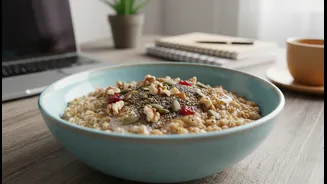
Integrating these powerful formulations into a hectic schedule is simpler than it sounds. You don't need to overhaul your entire diet. Start by swapping a portion of your regular wheat flour with sprouted ragi flour for your daily rotis. Prepare a batch of ragi malt, a warm and nourishing drink made from sprouted ragi flour, to have as a post-run recovery beverage. It helps replenish energy and delivers bone-building calcium and amino acids to repair muscle tissue. For breakfast, a simple ragi porridge (kanji) offers sustained energy for the day ahead. These small, consistent changes provide the targeted nutrition your bones need to thrive under the unique pressures of your lifestyle.