
Why A Stare Can Feel Like a Threat
To humans, making eye contact is a sign of connection and sincerity. In the animal kingdom, particularly among canines, it’s often the opposite. A direct, prolonged stare is typically interpreted as a challenge or a threat. When an unfamiliar person locks
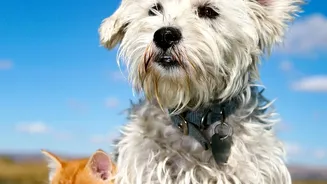
eyes with your dog, its instincts can kick in, making it feel uneasy, challenged, or scared. This isn't a sign of a 'bad' dog; it's a deeply ingrained behavior. An unblinking stare from a stranger can signal a potential conflict over resources or territory, triggering a defensive reaction. While some well-socialized pets learn to be comfortable with human-style eye contact, many, especially shy or anxious ones, find it incredibly stressful. Averting their gaze is a dog's polite way of saying, "I mean no harm," and they expect the same courtesy.
Recognizing the Signs of Discomfort
Your pet can't tell you it's uncomfortable, but it can show you through body language. Learning to read these signals is essential for preventing a stressful situation from escalating. Common signs of stress in dogs include frequent lip licking (when no food is around), yawning when not tired, and showing the whites of their eyes, often called "whale eye". You might also notice your dog turning its head or entire body away, suddenly scratching, or shaking off as if wet. A closed mouth, flattened ears, and a tucked tail are also clear indicators of fear or anxiety. A dog that is feeling threatened may also become very still, with a stiff posture and a fixed, unblinking stare of its own. Recognizing these cues early allows you to step in and advocate for your pet before they feel the need to resort to barking, growling, or snapping to create space.
How to Politely Ask Guests for Space
Telling a guest how to behave around your pet can feel awkward, but it's a crucial part of being a responsible owner. The key is to frame it as a request for your pet’s comfort, not as a criticism of your guest. Most people are happy to comply when they understand why. Before they even enter, you can say something like, "Just a heads-up, Fido can be a little shy at first. He does best if you ignore him for a few minutes and let him come to you." This simple instruction gives your guest clear, easy-to-follow directions. Another approach is to say, “We’re working on his greetings! The trainer says the best thing is for new people to avoid eye contact and let him have his space.” This shifts the 'blame' to a professional and makes it sound like a helpful tip rather than a demand.
What to Do Instead: The Right Way to Greet
Once you've told guests what not to do, guide them on the right way to interact. A proper greeting from a stranger should be on the dog's terms. Advise your guests to turn their body to the side, crouch down to appear smaller and less intimidating, and avoid direct eye contact. They should speak softly and allow the dog to approach and sniff them first. This "sniff test" is how dogs gather information and get comfortable. You can give your guest some high-value treats to toss on the floor near the dog, which creates a positive association without forcing interaction. The treat should land near or behind the dog, so it doesn't have to move toward the person to get it. Only once the dog shows relaxed, curious body language and initiates contact should the guest attempt a gentle pet, preferably on the chest or shoulders rather than the top of the head.
Managing the Environment for Success
Beyond coaching your guests, you can set up the environment to ensure a smooth introduction. If you know your pet is particularly anxious, exercising them before guests arrive can help burn off nervous energy. When guests come to the door, having your dog on a leash can prevent jumping and give you better control. It's also vital to ensure your pet has a designated safe space—like a crate, bed, or separate room—where they can retreat if they feel overwhelmed. This gives them the choice to disengage, which is empowering and reduces stress. For the first few minutes, you can also use a baby gate to create a physical barrier, allowing your pet to observe from a distance without feeling pressured. By managing the situation proactively, you make the experience predictable and less intense for everyone involved.