
The Magic of Minimal Cleanup
The single greatest advantage of one-pan cooking is its sheer convenience. By combining all your ingredients—proteins, vegetables, and starches—into a single vessel like a sheet pan or skillet, you dramatically reduce both prep time and the dreaded post-dinner
cleanup. This streamlined approach is a game-changer for anyone with a packed schedule, small kitchen, or a general dislike for scrubbing pots and pans. It’s a method that simplifies the entire cooking process, leaving you with more time to actually enjoy your meal and relax with your family. The beauty lies in its efficiency; dinner becomes less of a chore and more of a joy.
More Flavour, Less Fuss
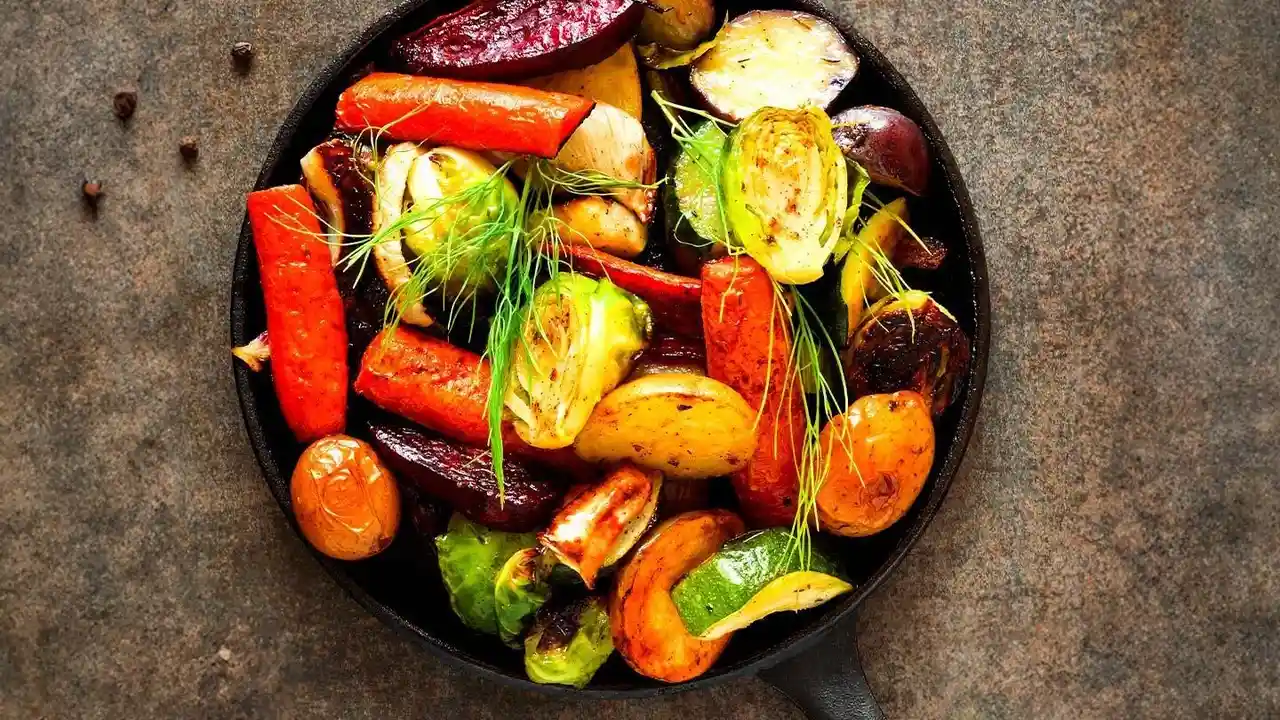
Cooking everything together isn't just about saving time; it's also a ticket to deeper, more developed flavours. As vegetables roast, they caramelize, and when cooked alongside plant-based proteins and grains, their juices mingle and infuse the entire dish. Pasta can absorb the sauce it's cooking in, and grains become saturated with the aromatic broth and spices from other ingredients. This melding of flavours creates a richness and complexity that can be difficult to achieve when cooking components separately. The result is a hearty, satisfying meal where every single bite is packed with layered taste.
A Nutritional Powerhouse
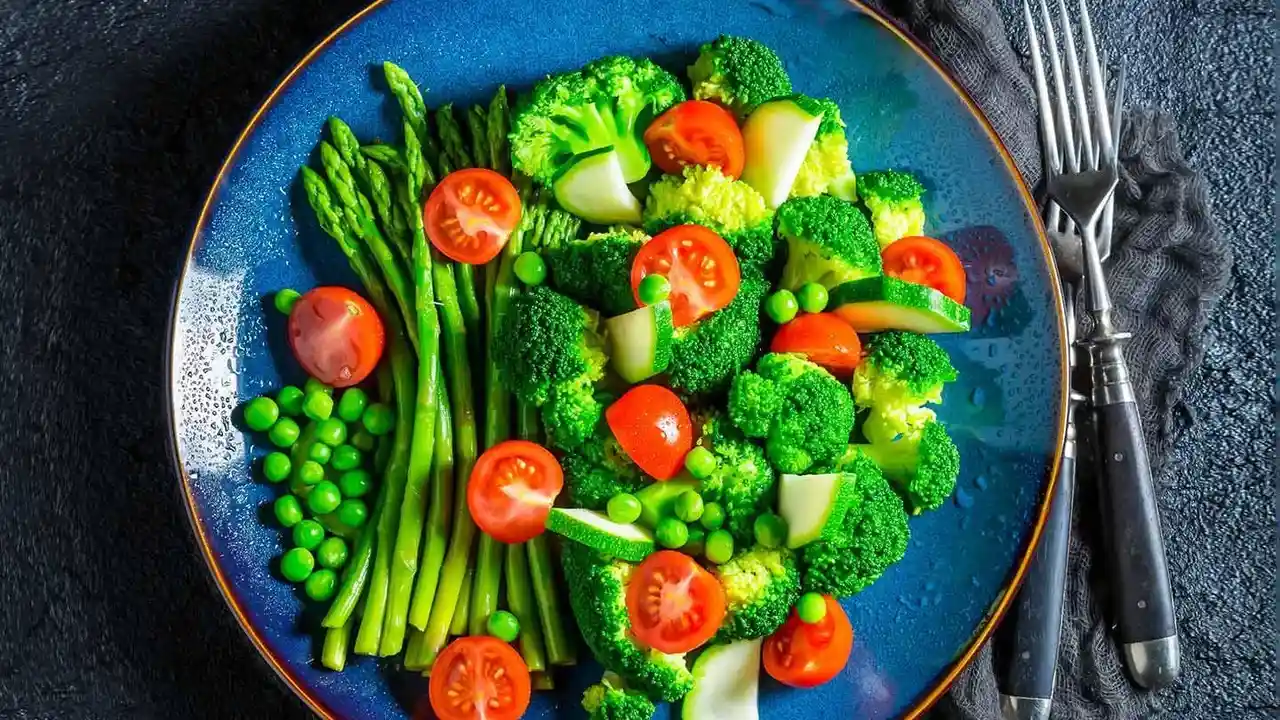
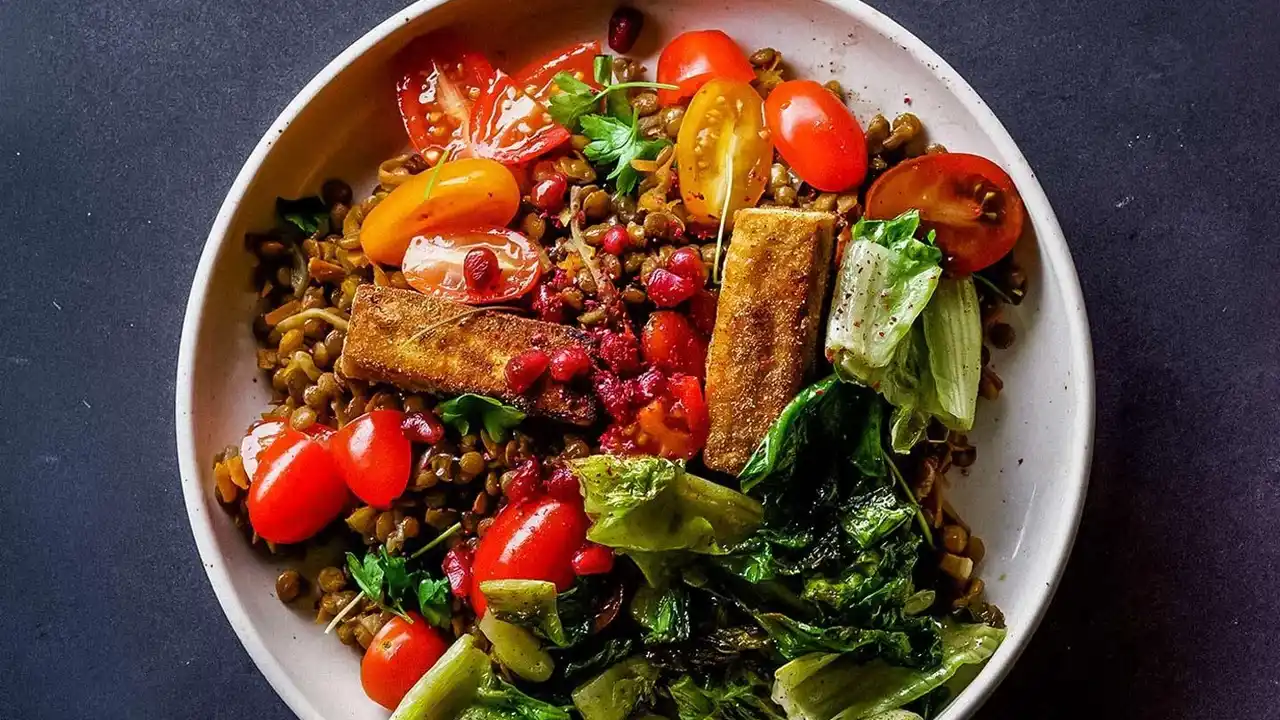
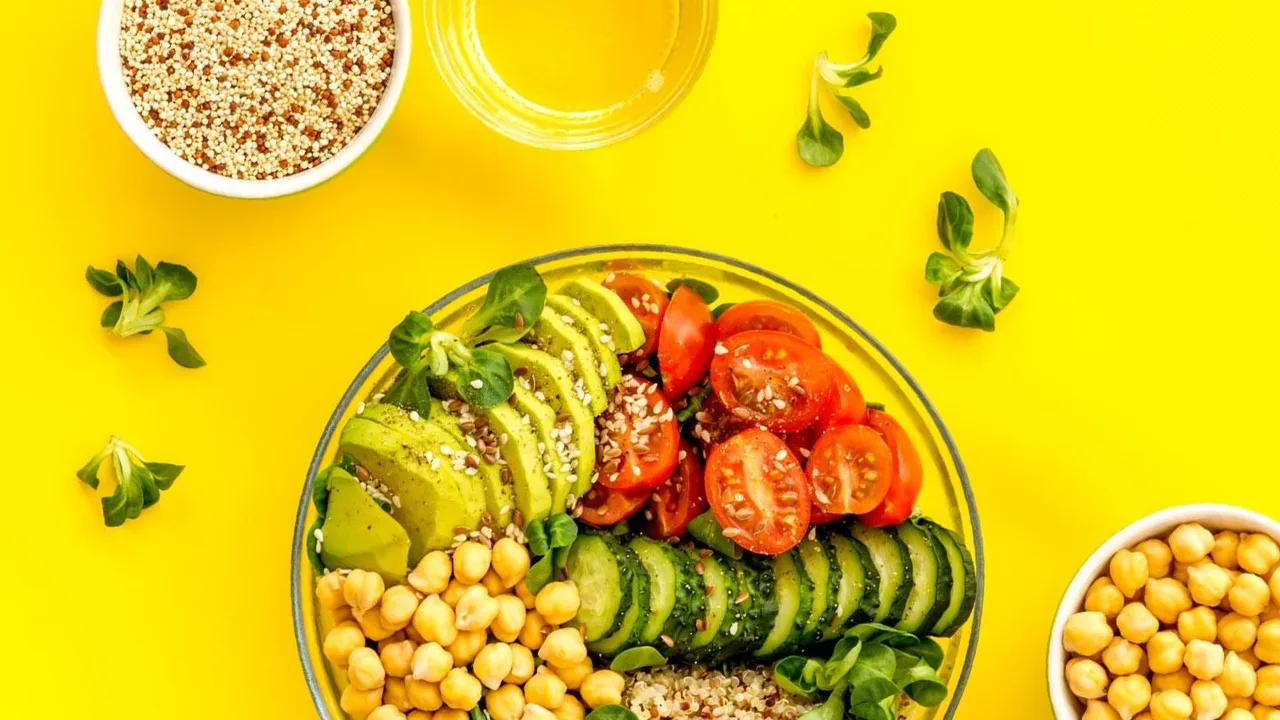
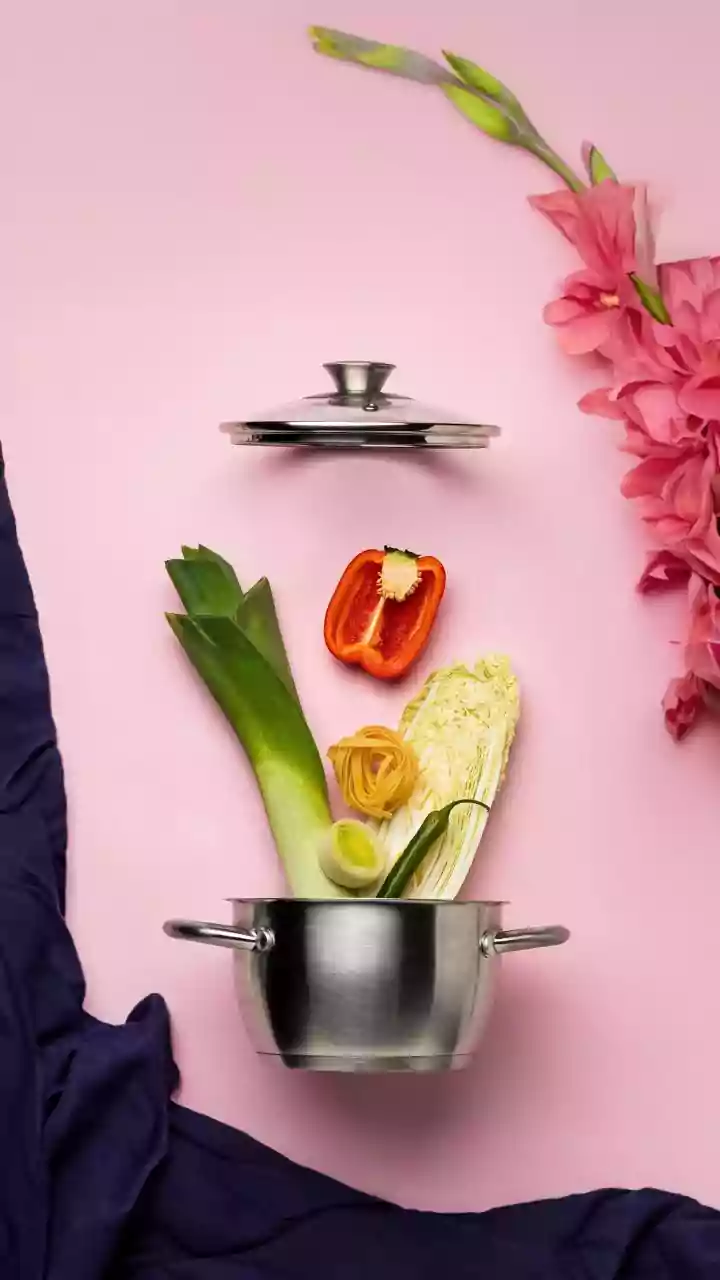
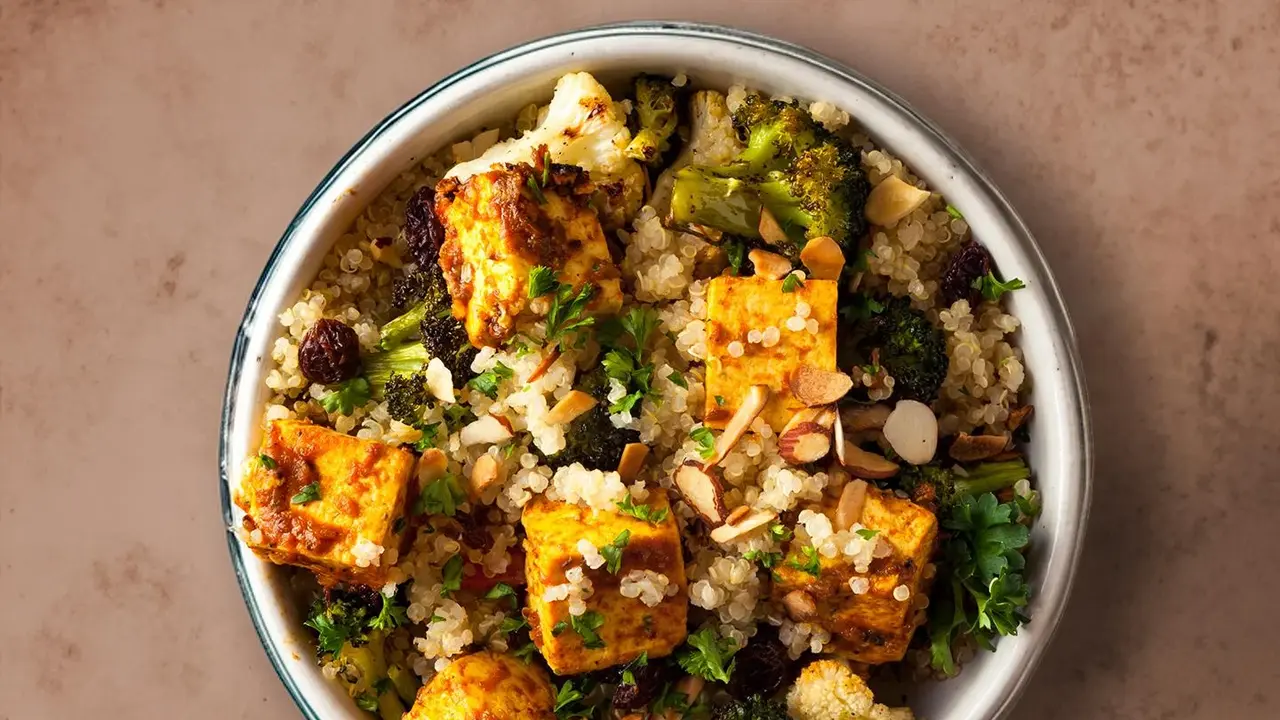
One-pan vegetarian meals make it incredibly easy to create a balanced and nutrient-dense dinner. This cooking style is perfect for loading up on a wide variety of vegetables, from hearty root veggies like potatoes and carrots to tender greens like spinach. You can easily incorporate plant-based proteins such as chickpeas, lentils, beans, or tofu, along with whole grains like quinoa, to ensure your meal is packed with protein, fibre, and essential minerals. This method also helps retain more nutrients that might otherwise be lost when boiling vegetables separately. It’s an efficient way to build a wholesome, complete meal in a single step.
Master the Sheet Pan
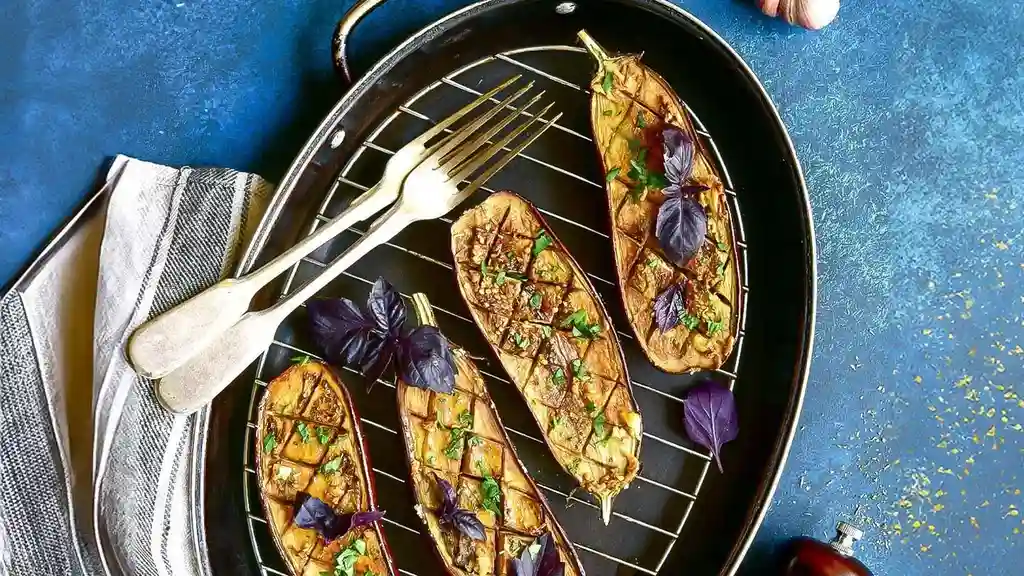
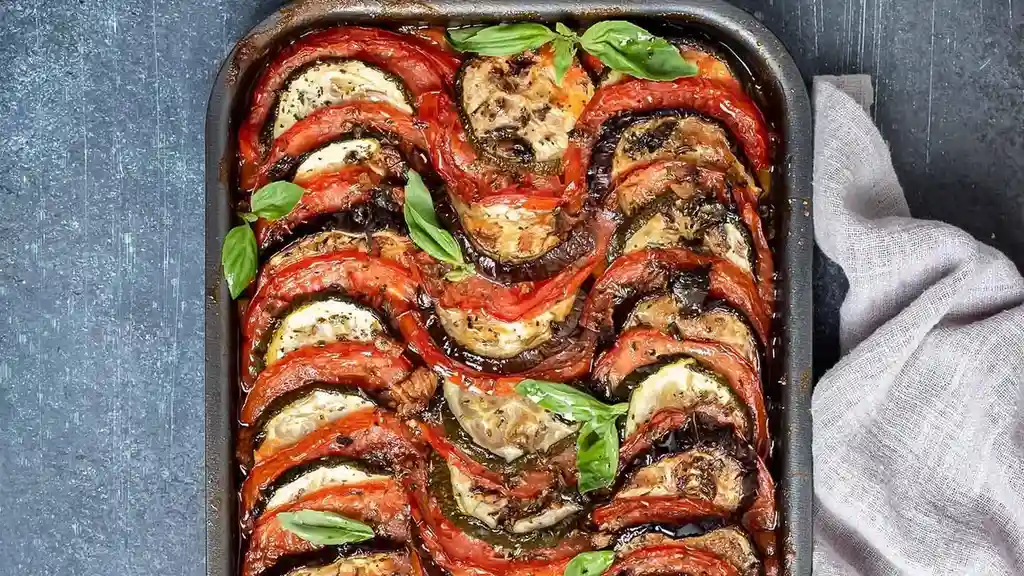
The sheet pan is arguably the hero of one-pan dinners. For the best results, choose a large, rimmed baking sheet to give your ingredients space to roast rather than steam. A key technique is to manage cooking times. Start by roasting hard vegetables like potatoes, sweet potatoes, and carrots first, as they take longer to cook. After about 15-20 minutes, you can add quicker-cooking vegetables like broccoli, bell peppers, and zucchini, along with your protein source like chickpeas or cubed tofu. Tossing everything in a bit of oil and seasoning is crucial for browning and flavour. For extra-easy cleanup, lining the pan with parchment paper is a pro move.
Skillet and Stove-Top Wonders
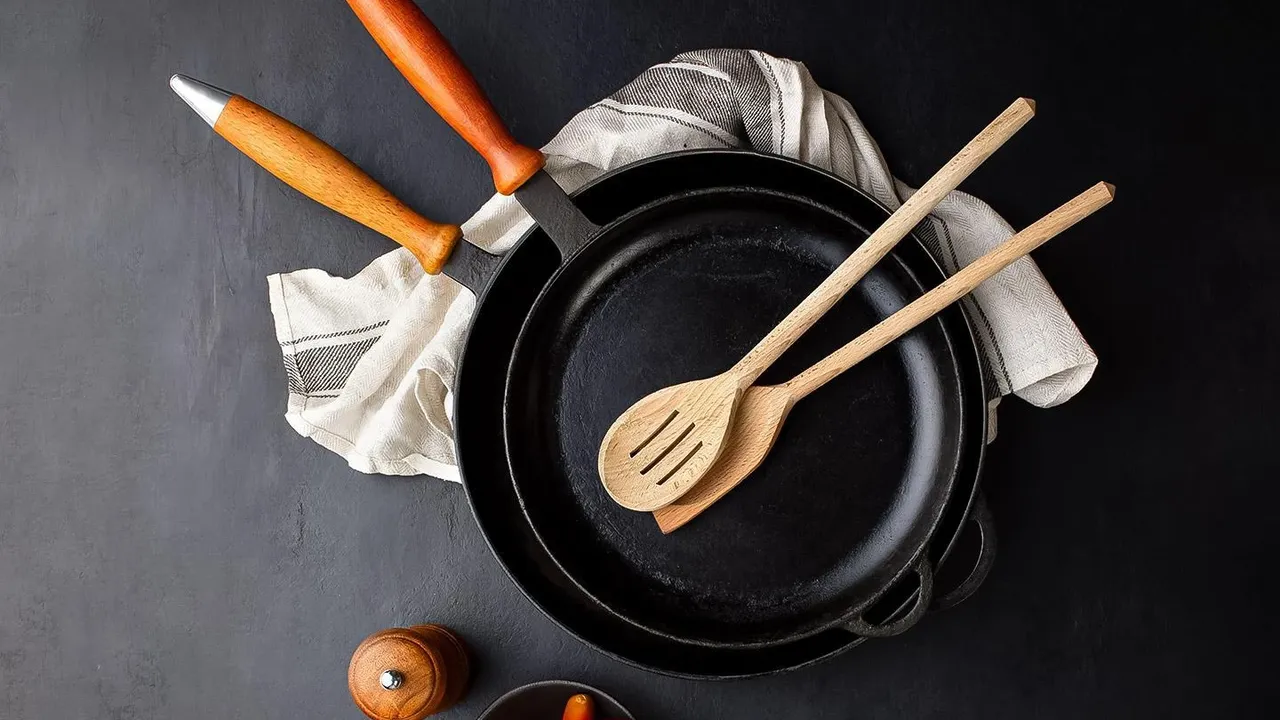
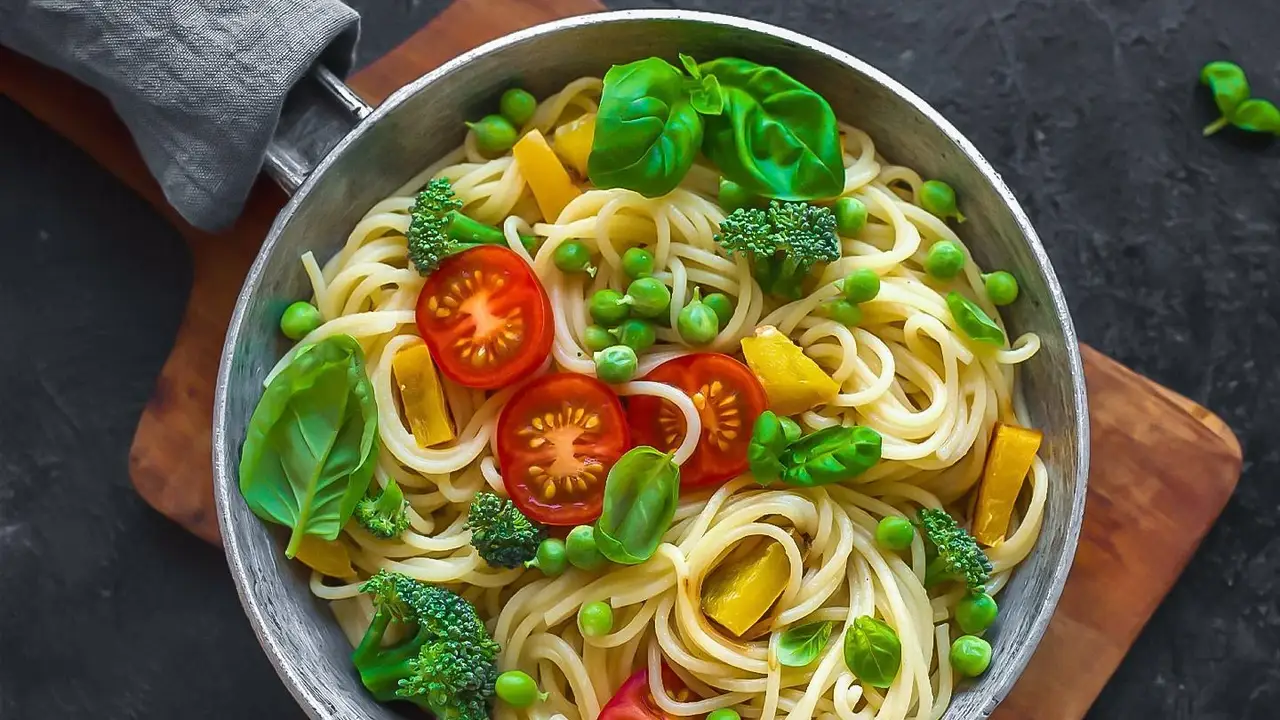
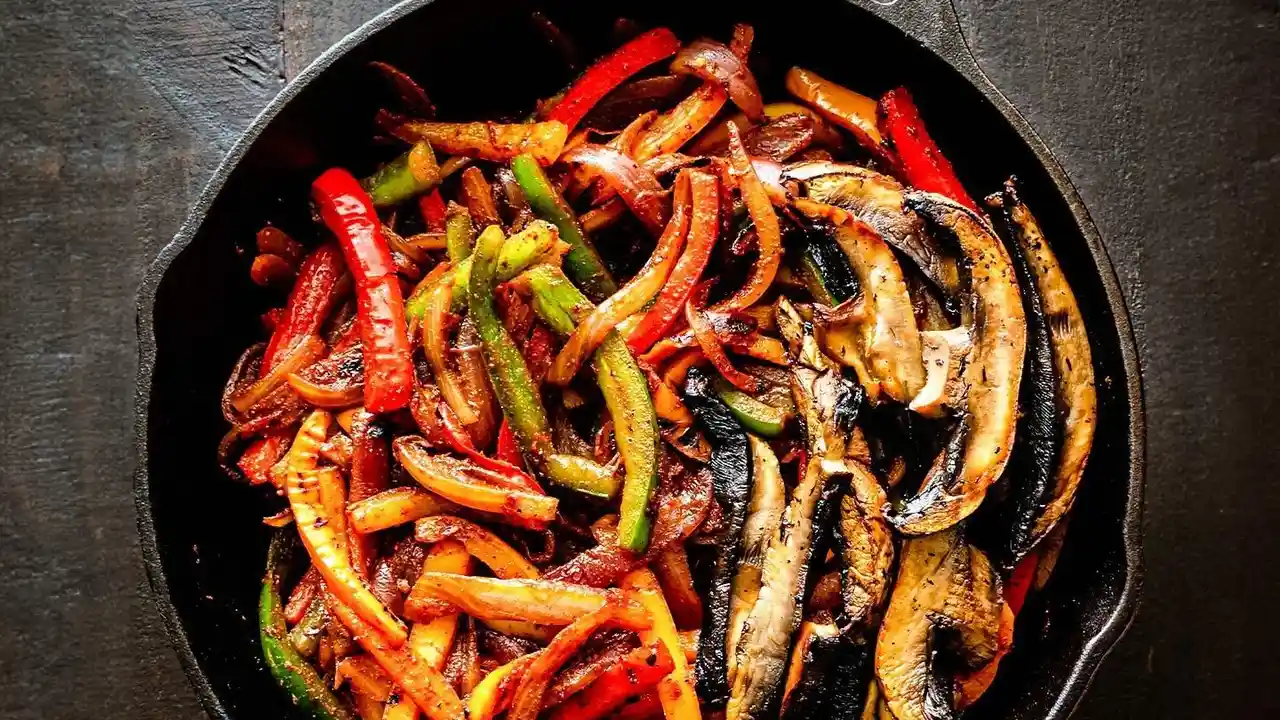
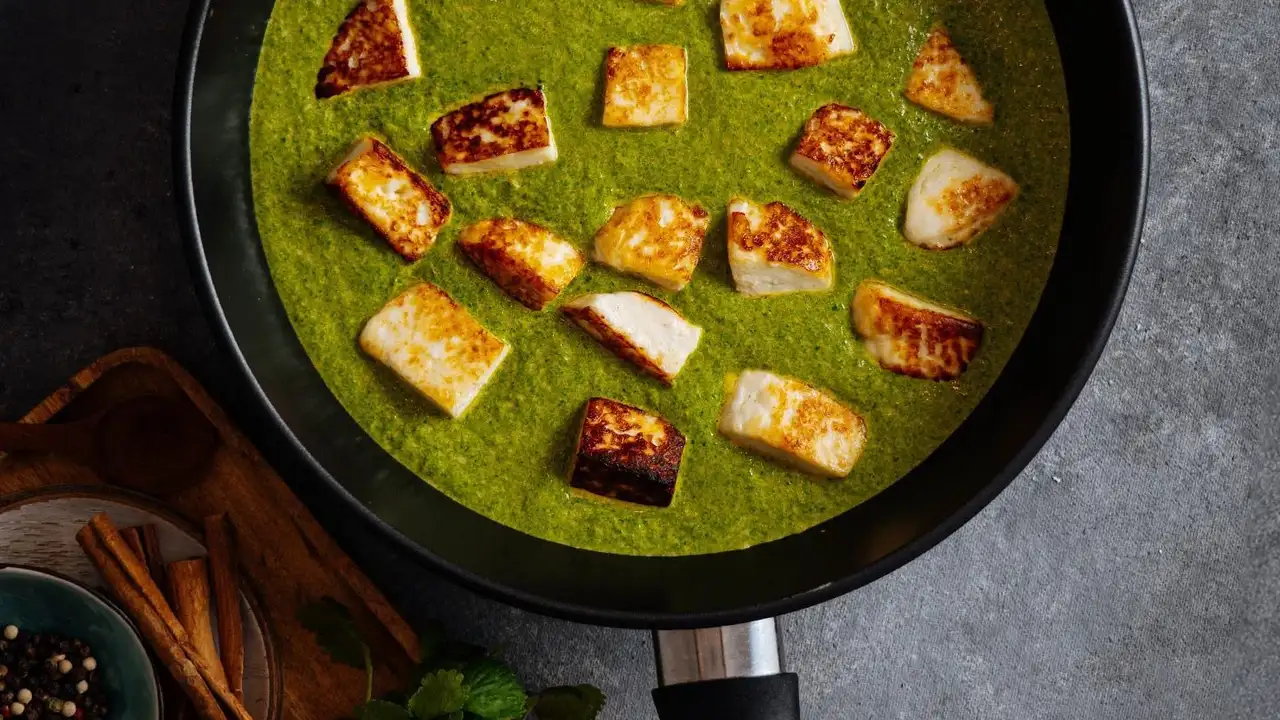
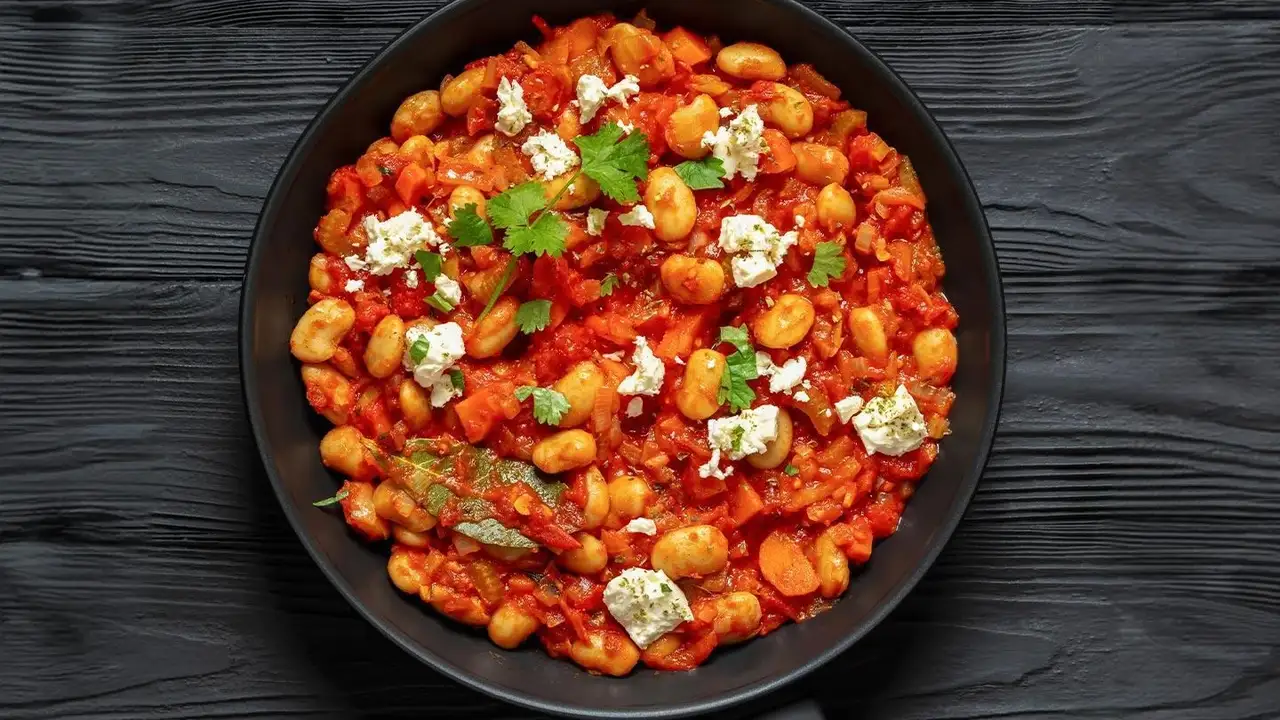
Don’t forget the humble skillet for one-pan stove-top meals that come together in 30 minutes or less. Large cast-iron or stainless-steel skillets are perfect for dishes like a vegetarian taco skillet, where quinoa, beans, and vegetables simmer together in a flavourful broth. This method is ideal for creating saucy, integrated dishes like curries, stir-fries, and pasta skillets. The process often starts with sautéing aromatics like onion and garlic, then building the dish by adding liquids, grains, and vegetables in stages. Everything cooks together, allowing flavours to build beautifully right on the hob.