



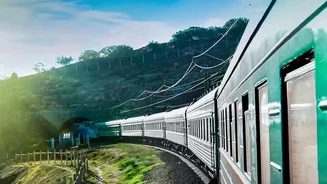
The Rise of the Slow Journey
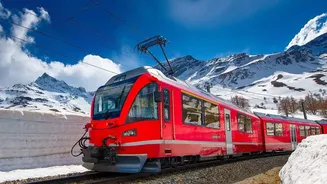
For a generation raised on budget airlines and the promise of reaching a destination in a few hours, the appeal of a long, rattling train journey might seem counterintuitive. Yet, an increasing number of young Indians are embracing what is known as 'slow
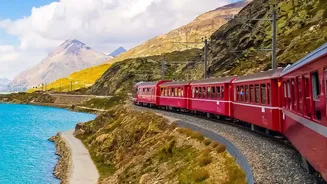
travel'. This isn't just about saving a few rupees; it's a conscious choice to prioritise the journey itself over the destination. It represents a move away from jam-packed itineraries and the pressure to 'see everything', towards a more meaningful and immersive experience. Instead of racing from one city to another, these travellers are choosing to let the landscape unfold at a leisurely pace, turning transit time into a core part of the adventure.
An Antidote to Digital Burnout
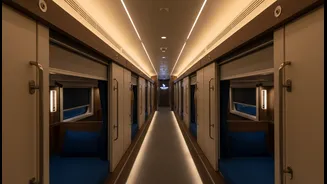
The decision to take a train is also a reaction to the pressures of a hyper-connected, digital world. With workplace burnout a common complaint among Gen Z and millennials, travel is increasingly seen as a way to disconnect and recharge. An overnight train journey offers a forced digital detox. With spotty internet and limited charging points, passengers are encouraged to look up from their screens. They read books, listen to the rhythm of the tracks, or simply watch the countryside roll by. This deliberate disconnect is a powerful antidote to the constant stimulation of daily life, offering a rare opportunity for quiet reflection and mental rest.
The Social Currency of a Shared Coupe
Unlike the sterile silence of an airplane cabin, an Indian train compartment is a vibrant social space. Strangers become temporary companions, sharing food, life stories, and travel advice over the course of a journey. For young travellers, many of whom are exploring solo or with partners rather than in large family groups, these interactions offer a taste of authentic connection that is hard to find elsewhere. A conversation with a co-passenger can lead to an unexpected recommendation for a local eatery or an invitation to a family home. These spontaneous moments of human connection are often the most cherished memories of a trip, providing a richness that a flight simply cannot offer.
Nostalgia and New Experiences
There is an undeniable nostalgia associated with Indian Railways. For many, it evokes childhood memories of summer holidays and family trips. By choosing to travel by train, young people are connecting with a piece of their own history and a collective cultural experience. But it's not just about reliving the past. They are creating new memories, blending the old-world charm of chai and platform vendors with a modern desire for authentic experiences. This trend is less about a full-scale return to the past and more about integrating its best elements into a contemporary travel style that values both experience and independence.
Smart Economics and Sustainable Choices
While the decision isn't purely financial, the economics are compelling. Overnight train journeys save on the cost of a night's accommodation and are significantly cheaper than flights, allowing a travel budget to stretch further. This cost-effectiveness makes travel more accessible and frequent. Furthermore, a growing environmental consciousness among younger generations plays a crucial role. Choosing a train over a plane is a more sustainable option with a lower carbon footprint, a factor that is increasingly influencing travel decisions for a generation deeply concerned about the planet's future.