


The Rise of The Restorative Home
For years, modern design was dominated by cool greys, stark whites, and a clean minimalism that, while spacious, could sometimes feel sterile. The pendulum is now swinging back. Homeowners and designers are shifting focus towards creating spaces that feel restorative,
personal, and deeply calming. This has given rise to the popularity of earthy interiors, a style that uses colour, texture, and materials inspired by the natural world. It’s a move away from untouchable perfection and towards a look that is grounded, tactile, and welcoming. In a compact home, where every square foot matters, this approach doesn't just add style; it adds a feeling of genuine comfort and refuge from the bustling world outside.
Embrace a Warm, Earthy Palette
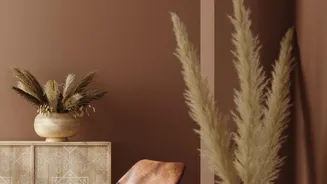
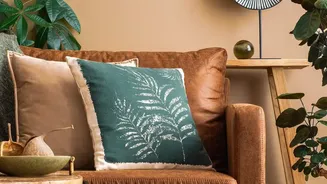
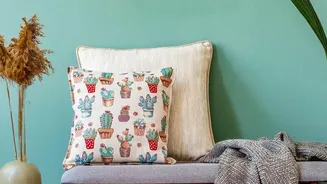
The foundation of this cosy aesthetic is its colour scheme. Think of the shades you’d find on a peaceful nature walk. These include warm, muted tones like terracotta, sage green, sandy beige, and soft, earthy browns. These colours have a grounding effect and are incredibly versatile, working beautifully in different lighting conditions. Unlike bright, saturated colours that can sometimes feel jarring in a small space, earthy tones create a sense of calm and continuity. You can start small with a feature wall in a rich clay or rust colour, or incorporate these shades through cushions, throws, and artwork. These colours absorb and soften light, creating an inviting glow rather than a harsh glare.
Prioritise Natural Materials
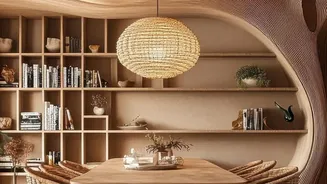
To truly bring the outdoors in, focus on the materials you use for furniture and decor. Natural materials convey an inherent sense of warmth and authenticity. Light-toned woods like oak and ash for tables or shelving can make a space feel bright and airy. Woven materials such as rattan, jute, and bamboo are perfect for adding texture without visual weight; consider a jute rug, rattan chairs, or woven pendant lights. These materials are not only sustainable but also hard-wearing and versatile, adding an artisanal, handmade feel that counters the uniformity of mass-produced items. Even small touches, like stone coasters, wooden decorative bowls, or ceramic vases, contribute to this layered, natural aesthetic.
Layer Textures for Depth and Warmth
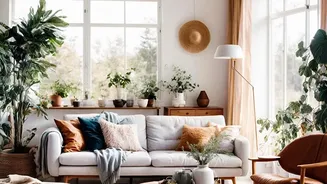
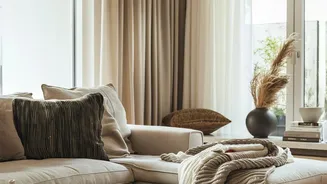
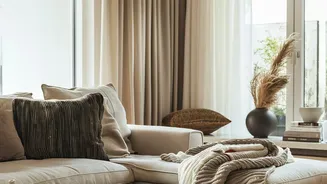
In a compact home, creating visual interest without adding clutter is key. This is where texture comes in. Layering a variety of textures is one of the most effective ways to make a room feel rich and inviting, even with a neutral colour palette. Imagine a soft linen sofa adorned with a chunky knit wool throw and nubby cotton cushions. Place a smooth wooden tray on a hammered metal coffee table. The interplay between different surfaces—rough and smooth, soft and firm—adds a tactile dimension that begs to be touched, making the space feel more dynamic and lived-in. This technique adds depth and character, preventing the room from feeling flat or one-dimensional.
Let There Be (The Right) Light
Lighting can make or break the cosy atmosphere. Maximise natural light during the day by keeping window treatments simple. In the evenings, avoid relying solely on a harsh overhead ceiling light. Instead, create pockets of warm, ambient light throughout the room. Use a combination of floor lamps, table lamps, and even candles to cultivate a soft, welcoming glow. Opt for warm-toned bulbs and consider using lampshades made of natural materials like raffia or linen, which diffuse light beautifully and cast a gentle radiance. This layered approach to lighting allows you to adjust the mood of the room easily, whether you're reading a book or hosting friends.
Bring Life In with Biophilic Design
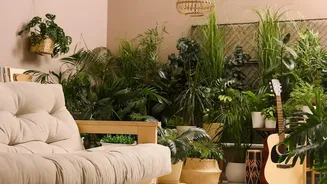
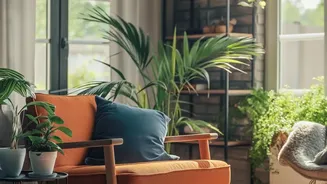
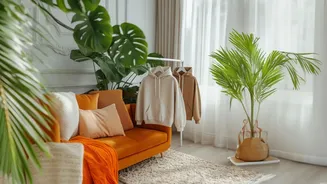
The simplest way to connect your home to nature is by literally bringing it inside. Biophilic design, which is the practice of incorporating nature into the built environment, is perfectly suited for compact homes. Adding houseplants is the easiest way to start. They not only purify the air but also add vibrant colour and organic shapes to your decor. In a small apartment, you can use vertical space by installing hanging planters or wall-mounted shelves for your green friends. Even a small herb garden on a kitchen windowsill can make a world of difference. Studies have shown that being around plants can reduce stress and improve well-being, making them a crucial element in creating a true sanctuary.