







What Exactly Are 'Exercise Snacks'?
The term might sound a little playful, but the idea is serious. 'Exercise snacks' are not pre-workout fuel; they are the workout itself. The concept is simple: instead of carving out a long, continuous block of time for exercise, you break it down into
very short, 'snack-sized' bouts of activity throughout your day. These can last anywhere from a few seconds to several minutes and can include anything from climbing a few flights of stairs to doing a quick set of squats or, most notably, taking a brief walk. The main advantage is that it overcomes the most common barrier to physical activity: a perceived lack of time. By reframing exercise as something you can sprinkle into your daily routine, it becomes more accessible and less daunting.
The Science of the Post-Meal Walk
A growing body of research shows that these short bursts of movement, especially when timed around meals, have a significant impact on our metabolic health. When you eat, your body converts carbohydrates into glucose (sugar), which enters your bloodstream. A large or rapid spike in blood sugar can, over time, contribute to health issues. This is where a post-meal walk works its magic. Physical activity prompts your muscles to pull glucose from the bloodstream to use for energy. By walking shortly after eating—when blood sugar levels naturally rise—you help your muscles soak up that excess glucose, which can flatten the post-meal spike. Studies show that this approach can be as effective, and in some cases more so, for blood sugar management than a single, longer workout session.
How Long and How Fast?
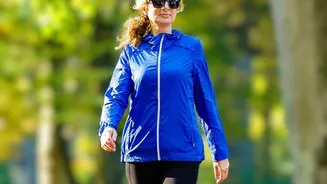
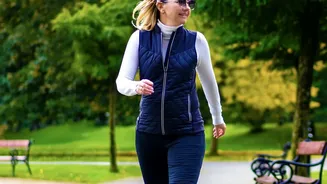
You don't need to embark on a major trek to reap the rewards. Research indicates that even a short walk of 10 to 15 minutes after a meal is highly effective. Some studies have found benefits with bouts as short as one to three minutes of activity, especially if done frequently. The key is to get moving within about 60 to 90 minutes after eating, as this is typically when blood sugar levels peak. As for pace, a gentle to moderate stroll is beneficial. The goal is to stimulate your muscles and aid digestion, not to exhaust yourself. A light walk encourages the natural movement of food through your digestive system, which can help reduce feelings of bloating and gas.
More Than Just Blood Sugar
While blood sugar control is a major highlight, the benefits don't stop there. Regularly incorporating 'exercise snacks' into your day is linked to a range of positive outcomes. Research has connected these brief activity spurts with improved cardiovascular health, including better cholesterol levels and blood pressure. Some studies have even found that accumulating activity in short bouts can improve cardiorespiratory fitness and muscle strength, particularly in previously inactive individuals. There are mental perks, too. A short walk can serve as a mental reset, improving mood and energy levels, and even potentially boosting cognitive function in older adults.
Making It a Daily Habit
Integrating post-meal walks is about consistency, not intensity. The easiest way to start is to build on your existing routines. If you work from home, a walk around the block after lunch is a perfect option. In an office setting, you could walk a few laps of your floor or take a brisk stroll to a nearby park. To make it stick, set reminders on your phone or calendar. Involve family members or coworkers to create a social habit. The goal is to make it an automatic part of your day, just like brushing your teeth. By starting small and celebrating consistency, you can turn these brief walks into a powerful and sustainable wellness practice.