





The Global 'Cup' Conundrum
The humble cup is a cornerstone of many recipes, especially in baking. But in our globalised digital world, a recipe found online can originate from anywhere, and the standard 'cup' size varies by country. This seemingly small difference can be the deciding
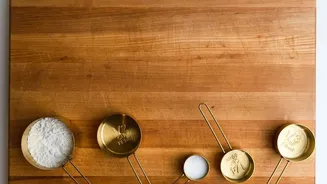
factor between a fluffy cake and a dense brick. Primarily, you'll encounter three main standards: the US cup, the metric cup, and the UK imperial cup. They are not interchangeable, and knowing which one your recipe uses is the first step towards consistent results.
The Hard Numbers: Decoding Cup Sizes
The differences in volume between cup standards can be significant, especially when a recipe calls for multiple cups of an ingredient. Here's a simple breakdown:
- A US Customary Cup, the standard in the United States, holds approximately 237 millilitres (ml). Some US nutrition labels, however, use a 'legal cup' of 240 ml.
- A Metric Cup, used in Australia, New Zealand, Canada, and increasingly in the UK, is a neat 250 ml.
- A UK Imperial Cup, which you might find in older British recipes (pre-1970s), is the largest of the three, holding about 284 ml.
While a 10 or 13 ml difference might seem tiny, if a recipe calls for three cups of flour, you could be off by nearly 40 ml, which can dramatically alter the texture and consistency of your final product.
How to Play Detective with Your Recipe
So how do you figure out which cup your recipe is using? You need to look for clues about its origin. Start with the source: is it a .com.au (Australian), .co.uk (British), or a .com (often US-based) website? Next, check the language and terminology. A recipe calling for 'all-purpose flour', 'corn syrup', or 'powdered sugar' is likely American. If you see 'plain flour', 'golden syrup', or 'caster sugar', you're probably looking at a British or Australian recipe. Other clues include spellings like 'color' (US) versus 'colour' (UK/AU) and ingredient measurements. If a recipe lists ingredients in grams alongside cups, it’s a strong sign it's been developed with precision, likely using the metric cup standard.
The Professional Secret: Weight Over Volume
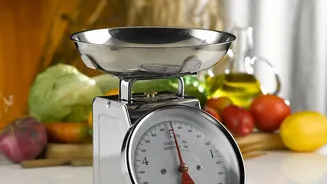
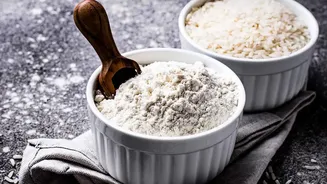
While figuring out cup sizes is a useful skill, most professional bakers will tell you to bypass the issue entirely. The most accurate, consistent, and reliable way to measure ingredients, especially for dry goods like flour, is by weight. A cup of flour can weigh anywhere from 120 to 150 grams depending on how you scoop it—whether the flour is sifted or packed down. That's a massive potential for error. Weighing ingredients with a digital kitchen scale removes all guesswork. A gram is always a gram, regardless of how fluffy or compacted your flour is. This is why professional recipes and those from serious home bakers almost always provide measurements in grams.
Making the Switch to a Scale
Investing in a digital kitchen scale is one of the single best things you can do to improve your baking. They are affordable, easy to use, and will revolutionise your kitchen workflow. Not only do they guarantee accuracy for better results, but they also mean fewer dishes to wash. You can place your mixing bowl on the scale, press the 'tare' or 'zero' button, and measure your first ingredient. Then, without removing the bowl, press 'tare' again and add the next ingredient. This method is faster, cleaner, and unlocks a world of recipes written for a global audience, where weight is the universal language of baking.