



What Is an Exchange Rate?
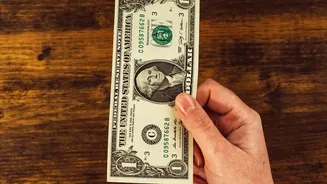
At its simplest, an exchange rate is the price of one country's currency in terms of another. For Indians travelling to the US or many other parts of the world, the key rate is INR to USD. It tells you how many rupees you need to buy one US dollar. For example,
if the rate is ₹95 to $1, it means you'll spend 9,500 rupees to get $100. When the rupee 'weakens' or 'depreciates', you need more rupees to buy a dollar (e.g., the rate moves from ₹93 to ₹95). When it 'strengthens' or 'appreciates', you need fewer rupees (e.g., it moves from ₹95 to ₹93).
Why Does the Rate Keep Changing?
The Rupee-Dollar rate isn't fixed; it fluctuates daily based on supply and demand in the global currency market. Several factors are at play. Key among them are interest rates set by central banks like the Reserve Bank of India (RBI) and the US Federal Reserve. Higher US interest rates can attract global investors to dollar-based assets, strengthening the dollar. India's import-export balance also matters; since India imports more than it exports (especially crude oil, which is paid for in dollars), there is a constant demand for dollars, which can put pressure on the rupee. Global events, a strong dollar worldwide, and movements of foreign investment in and out of the Indian stock market also cause the rate to move.
How a Weaker Rupee Impacts Your Travel Budget
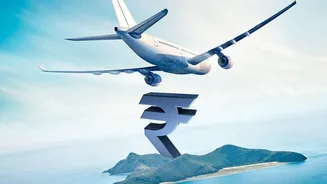
A weaker rupee makes almost every aspect of an international trip more expensive. The money you've saved for your trip simply buys less foreign currency. A trip budgeted at ₹3,00,000 might now cost ₹3,30,000 to ₹3,50,000 just because of currency depreciation, without any changes to your itinerary. This affects everything from your flight tickets and hotel bookings, which are often priced in dollars, to the money you spend on food, shopping, and sightseeing at your destination. A 10-15% depreciation can easily add tens of thousands of rupees to the total cost of a family vacation.
Smart Tips for Planning Your Trip
You can't control the exchange rate, but you can plan smartly to reduce its impact. First, start monitoring the rate as soon as you start planning. Buying your foreign currency a few weeks before you travel gives you a buffer to wait for a slightly better rate. Avoid exchanging currency at the airport, where rates are notoriously poor. Instead, use authorized dealers or banks in India for better rates. Consider using a prepaid forex card, which allows you to lock in an exchange rate and often has lower fees than credit or debit cards. A good strategy is to carry about 70% of your budget on a forex card and the remaining 30% as cash for immediate expenses. When paying with a card abroad, always choose to be charged in the local currency to avoid extra conversion fees.
Choosing Your Destination Wisely
If the rupee is weak against the US dollar, consider destinations where the local currency has not strengthened as much against the rupee. Countries in Southeast Asia like Vietnam, or parts of Eastern Europe, can sometimes offer better value for money during these periods compared to the US or Western Europe. A little research into currency movements can help you choose a destination where your money will go further, allowing you to enjoy a fantastic international holiday without constantly worrying about the budget.