






Breaking the 'All-or-Nothing' Cycle
Many of us approach fitness with an 'all-or-nothing' mindset. We believe that for exercise to be worthwhile, it must be a high-intensity, hour-long session at the gym. This pressure often leads to failure before we even begin. A busy day, low energy,
or simple lack of motivation can make a long workout seem insurmountable. The result? We do nothing, promising to 'start again next week'. This cycle of ambitious starts and quick stops is a major obstacle to long-term fitness. The idea of a 10-minute workout dismantles this barrier by making the task feel achievable every single day.
The Psychological Power of a Small Start
The single biggest advantage of a 10-minute workout is psychological. It lowers the barrier to entry so much that it becomes harder to make an excuse not to do it. This small, repeatable action is the foundation of habit formation. Psychologists explain that habits are formed through a 'cue, routine, reward' loop. By consistently performing a short routine, your brain begins to automate the behaviour. The reward isn't just the 'post-run glow'; it's the feeling of accomplishment from keeping a promise to yourself. This positive reinforcement strengthens the habit loop, making it more likely you'll show up tomorrow. Studies show people have better exercise adherence with shorter, multiple bouts of activity compared to one long session.
Consistency Trumps Intensity
While an intense, one-off workout might feel productive, research consistently shows that for long-term health and fitness, consistency is far more important than intensity. Your body adapts and improves through repetition, not sporadic, heroic efforts. Regular, moderate activity builds a stronger foundation, improves cardiovascular health, and reduces the risk of injury and burnout that often comes from pushing too hard, too soon. Think of it like learning a skill; practicing for 10 minutes every day will yield better results than a two-hour session once a month. The daily rhythm teaches your body and mind that movement is a non-negotiable part of your life.
What Can 10 Minutes Actually Do?
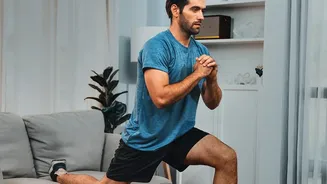
Scepticism is natural. Can just 10 minutes of exercise really make a difference? The science is a resounding 'yes'. Even brief periods of activity offer significant health benefits. Research shows short workouts can improve blood sugar control, lower blood pressure, reduce stress by releasing endorphins, and boost mental focus. When performed at a moderate to high intensity, these 'exercise snacks' can boost your metabolism for hours afterwards. An effective 10-minute routine doesn't require a gym. Simple bodyweight exercises like jumping jacks, squats, lunges, and push-ups can provide a full-body workout, getting your heart rate up and muscles working efficiently.
Tips for Making Your Habit Stick
To turn your 10-minute workout into a lasting habit, it's crucial to be intentional. First, schedule it. Treat it like any other important appointment. Whether it's first thing in the morning, during your lunch break, or before dinner, having a set time creates a powerful cue. Second, try 'habit stacking'. Link your new 10-minute workout to an existing habit. For example, 'After I brush my teeth in the morning, I will do my 10-minute workout'. Finally, focus on the feeling of accomplishment rather than just physical results. Acknowledge that you showed up for yourself. This positive self-feedback is a powerful motivator that builds momentum for the days and weeks to come.