


The Gut: Your Body's 'Second Brain'
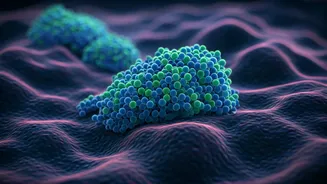
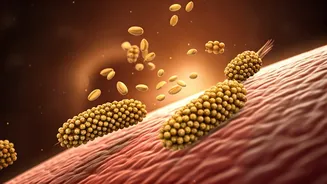
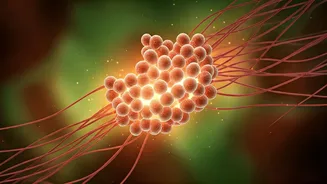
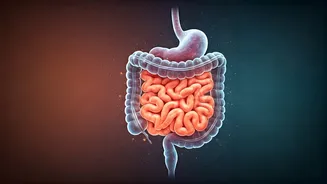
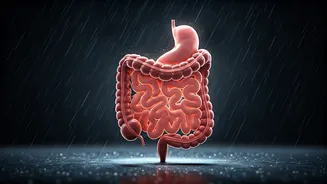
Before we dive into the daal and dahi, let's quickly understand what everyone is talking about. Your 'gut' is home to a bustling ecosystem of trillions of microorganisms known as the gut microbiome. Think of it as a complex internal garden. When the 'good'
bacteria flourish, they help with everything from digestion and nutrient absorption to boosting your immune system and even influencing your mood. An imbalance, however, can contribute to a host of issues. The modern wellness goal is to nurture this garden with the right foods, and it turns out, the blueprint has been in Indian kitchens for centuries.
Fermentation: Nature's Probiotic Factory
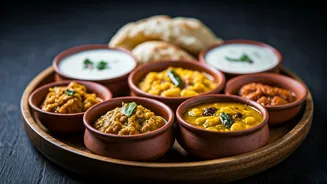
The tangy dahi (yoghurt) served with every meal, the fluffy idlis for breakfast, the sour kanji made from carrots in winter—these aren't just delicious staples; they are products of fermentation. This ancient preservation technique creates live, beneficial bacteria known as probiotics. While the West is now buying expensive probiotic supplements and kombucha, the Indian diet has been naturally rich in them all along. The bacteria in homemade dahi, for instance, help populate the gut with healthy microbes, aiding digestion and strengthening the gut lining. The fermentation process for idli and dosa batter not only makes them easier to digest but also increases the bioavailability of nutrients like B vitamins.
The Humble Power of a Spice Box
Our masala dabba is essentially a traditional medicine cabinet. Spices were never used just for flavour; they were chosen for their digestive and healing properties. Turmeric, with its active compound curcumin, is a potent anti-inflammatory that helps soothe the gut. Ginger is a well-known carminative, relieving gas and bloating. Asafoetida (hing), often added to lentils and beans, makes these protein-rich foods easier to digest by preventing flatulence. Even seeds like cumin (jeera) and fennel (saunf) stimulate digestive enzymes, making the entire process of breaking down food more efficient. This symphony of spices works to create an environment where the gut can thrive.
Prebiotics: Feeding Your Inner Garden
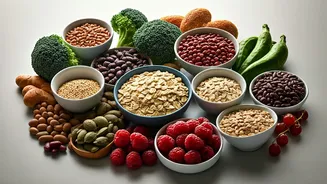
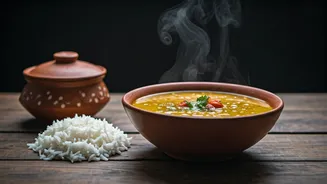
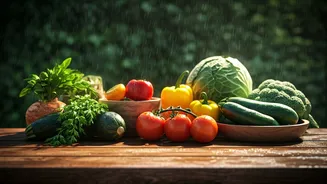
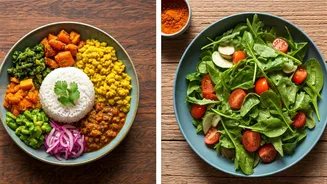
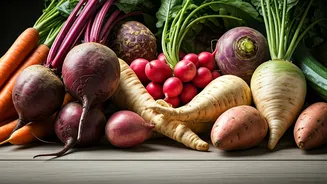
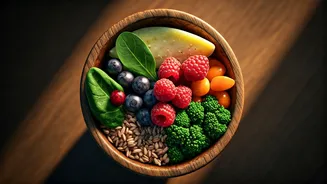
If probiotics are the 'good' bacteria, prebiotics are the food that helps them grow. And our traditional diet is loaded with them. Prebiotics are essentially types of dietary fibre that your body can't digest, so they travel to your lower digestive tract, where they become a food source for healthy gut bacteria. Where do you find them? Everywhere in a typical Indian thali. Lentils (daal), chickpeas (chana), kidney beans (rajma), and a wide variety of vegetables are packed with this essential fibre. The renewed focus on millets like ragi and jowar over refined flour also boosts prebiotic intake, fuelling the good microbes and contributing to a feeling of fullness and stable energy.
Beyond the Food: Mindful Practices
Gut health in the Indian tradition isn't just about *what* you eat, but also *how* you eat. The age-old advice to sit down peacefully, chew your food properly, and eat without distractions is now being validated by science. Mindful eating allows your digestive system to prepare for the food, releasing the necessary enzymes and acids for optimal digestion. Rushing through meals or eating while stressed can trigger a 'fight or flight' response in your body, diverting energy away from digestion and leading to discomfort. The traditional practice of eating a light, early dinner also gives the digestive system a much-needed overnight rest, which is crucial for repair and maintenance of the gut lining.