





From Kitchen Staple to Global Superfood
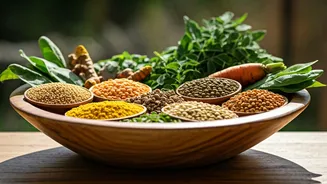
For generations, certain ingredients were just a part of everyday Indian life. Turmeric stained our curries yellow, amla was turned into tangy pickles, and moringa leaves were thrown into sambar. They were valued for their taste and traditional health
benefits, passed down through Ayurveda and home remedies. But in recent years, a shift has occurred. The global wellness industry, constantly searching for the next 'superfood,' has turned its gaze towards India's ancient pantry. Suddenly, what was commonplace for us is now exotic, potent, and highly marketable to a worldwide audience seeking natural health solutions.
Turmeric: The Golden Child
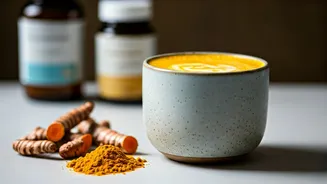
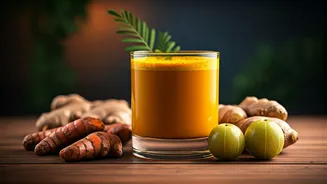
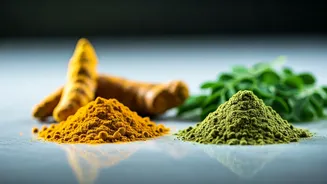
Turmeric is arguably the biggest star of this movement. Its active compound, curcumin, has been the subject of thousands of scientific studies for its anti-inflammatory and antioxidant properties. While we've been using it to heal cuts and soothe sore throats for centuries, the West has rebranded it completely. It's now the hero ingredient in everything from expensive skincare serums and dietary supplements to the ubiquitous 'golden latte'. This celebrity status has transformed a simple spice into a billion-dollar industry, validating ancient wisdom on a global stage, albeit in a very commercialised package.
Ashwagandha: The Stress-Busting Star
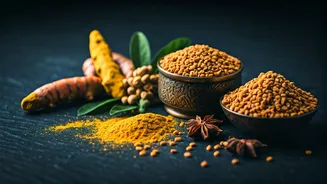
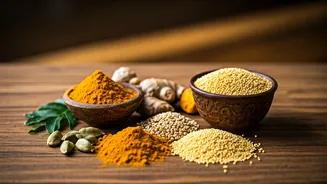
In a world grappling with burnout and anxiety, ashwagandha has emerged as a saviour. Classified as an adaptogen, this ancient Ayurvedic herb is believed to help the body manage stress. Traditionally consumed as a powder mixed with milk and honey, it's now a key ingredient in 'calming' chocolates, trendy coffees, and countless supplements promising tranquility. Its rise is a direct response to the modern obsession with mental wellness, proving that ancient solutions can find powerful relevance in contemporary problems. For many, it's a natural alternative to help cope with the pressures of modern life.
Moringa: The 'Miracle Tree' Goes Mainstream
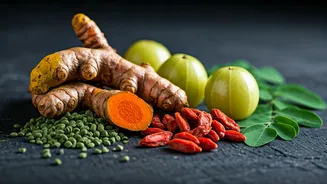
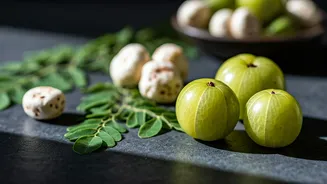
The drumstick tree, or moringa, has long been a fixture in South Indian cuisine. But who would have thought the leaves we often overlook would become a sought-after green powder? Packed with vitamins, minerals, and protein, moringa is now hailed as a nutritional powerhouse. It's being blended into green smoothies, sprinkled over salads, and sold in capsule form across the globe. Its journey from a backyard tree to a health-food store essential highlights the trend of looking for nutrient-dense, plant-based solutions to boost everyday nutrition.
Amla: The Vitamin C Powerhouse
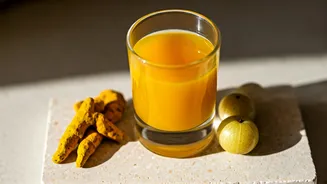
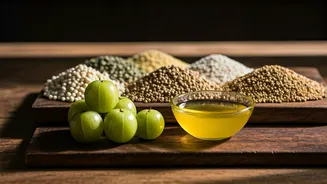
The Indian gooseberry, or amla, has been the cornerstone of immunity-boosting remedies like Chyawanprash for ages. Its incredibly high Vitamin C content makes it a potent antioxidant. Now, this sour fruit is gaining international recognition. From amla juices and shots promising a daily dose of wellness to its inclusion in hair oils and beauty products for its purported anti-ageing benefits, amla's reputation is growing. It's a prime example of how a single, traditional ingredient can be marketed for a wide range of health and beauty applications.
A Moment of Pride and Caution
Seeing these ingredients celebrated globally can be a source of immense pride. It's a validation of the knowledge that has existed in our culture for millennia. However, this fame comes with a caveat. The high demand can lead to price hikes, making these staples less accessible for the very communities that have traditionally used them. There's also the risk of 'wellness washing,' where the cultural and holistic context of Ayurveda is stripped away, reducing these powerful ingredients to mere marketing buzzwords. The challenge lies in celebrating their newfound fame while preserving their authenticity and accessibility.