





The Daytime Heat Sponge Effect
Throughout the day, urban surfaces like roads, pavements, and buildings made of concrete and asphalt act like giant sponges for solar radiation. Unlike natural surfaces like grass and trees, which reflect sunlight and use water for evaporative cooling,
these man-made materials are dense and dark, causing them to absorb enormous amounts of heat. During a hot summer day, a concrete surface in direct sun can reach temperatures far higher than the air temperature, effectively storing that intense solar energy for later. This absorption is the first critical step in disrupting the natural daily cooling cycle.
Night's Slow, Stubborn Heat Release
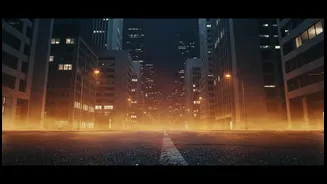
When the sun goes down, a natural landscape quickly radiates its heat away, allowing the air to cool. Concrete, however, operates on a much slower schedule. It acts like a thermal battery, holding onto the heat it absorbed all day and releasing it slowly throughout the evening and into the night. This process, known as thermal lag, means that while the sun is gone, the city's surfaces continue to actively heat the air around them. You can feel this effect standing next to a brick or concrete wall hours after sunset; it's still radiating warmth. This slow, inefficient release is why urban areas stay significantly warmer than their rural surroundings after dark.
When Buildings Trap the Heat
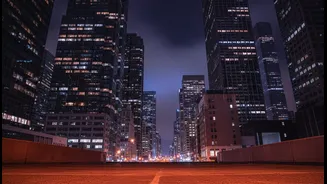
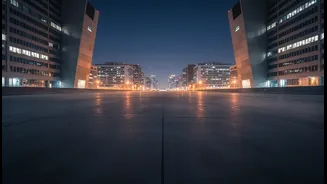
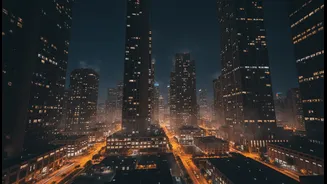
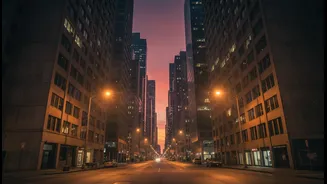
The problem is compounded by the very shape of our cities. Tall buildings packed closely together create what scientists call "urban canyons." These canyons have two negative effects. First, they provide more surface area to absorb sunlight during the day. Second, and more importantly at night, they trap the heat that is being slowly released from concrete surfaces. The heat radiates from the ground and walls but is blocked from escaping into the cooler night sky by the buildings opposite. This trapped heat warms the air within the canyon, and reduced wind flow between buildings means there's nothing to carry it away.
Why Midnight Is a Critical Hour
The "after midnight" part of the equation is crucial because it represents the peak failure of the cooling system. In a natural environment, the hours between midnight and dawn are when the earth has released most of its stored daytime heat, allowing for the lowest temperatures of the 24-hour cycle. In a concrete-heavy city, the heat release is so slow and sustained that surfaces can still be significantly warm well past midnight. This prevents the body from recovering from daytime heat stress, which can lead to higher rates of heat-related illness and mortality. The cooling that is supposed to happen in the latter half of the night never fully materialises.
The Challenge for Indian Cities
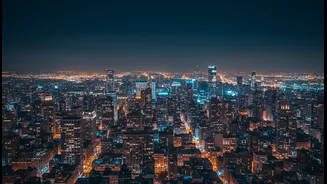
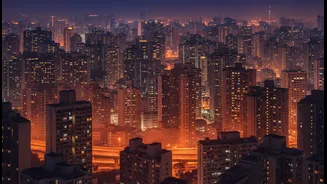
This phenomenon is particularly acute in India's rapidly expanding urban centres like Delhi, Mumbai, and Ahmedabad, where concrete construction dominates and green cover is often scarce. Studies show a significant increase in urban temperatures and heatwaves across major Indian cities. The combination of the urban heat island effect with already intense summer heatwaves creates a dangerous situation. It disproportionately affects low-income communities, increases energy consumption for air conditioning, and puts immense strain on public health infrastructure. As our cities continue to grow, understanding this cycle of daytime absorption and nighttime radiation is the first step toward building more resilient and liveable urban environments.