
The Rise of a 'Millet-Verse'
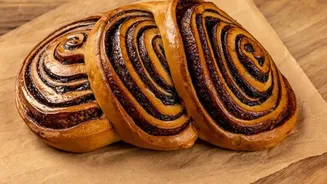
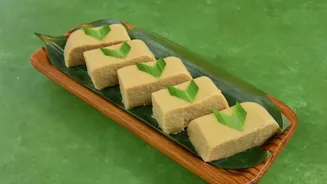
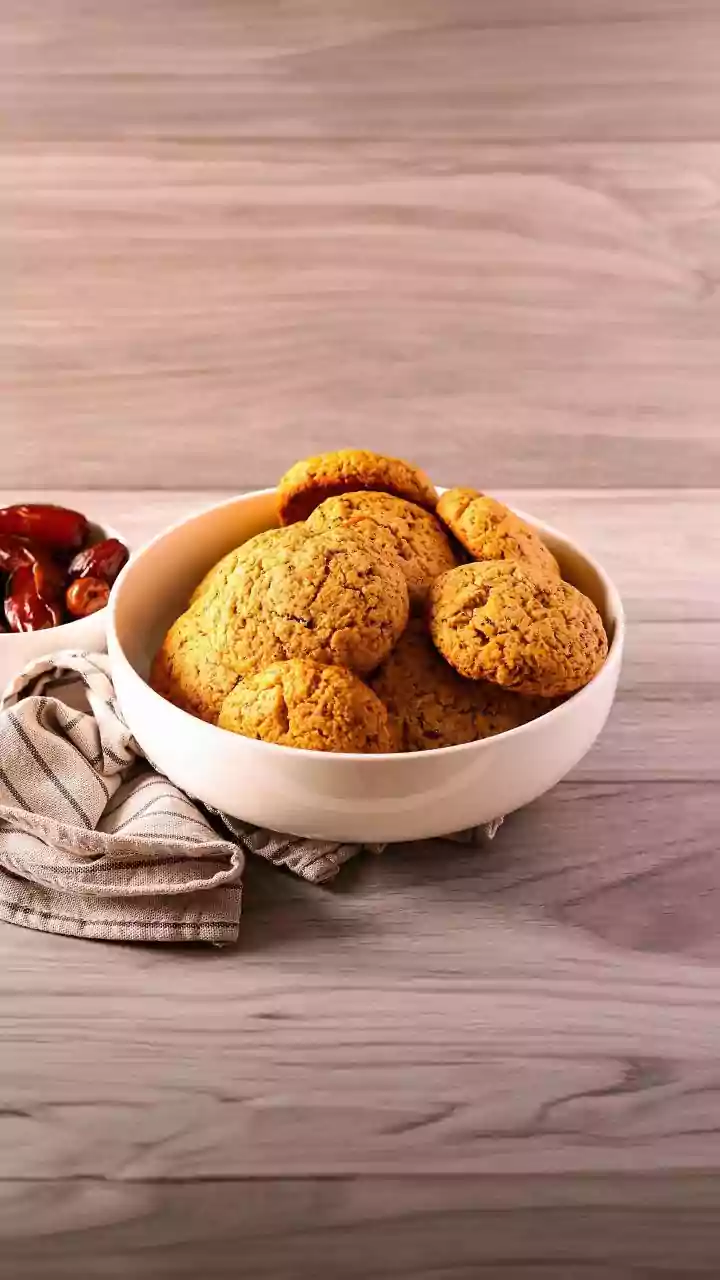
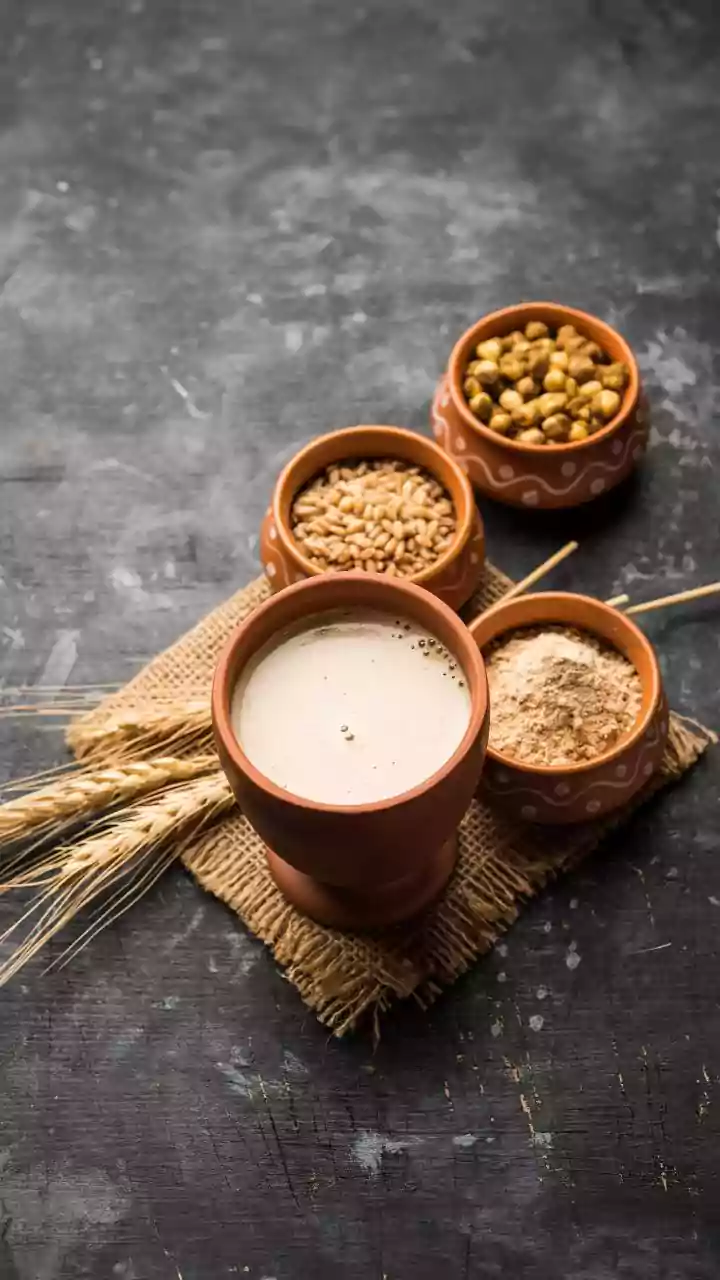
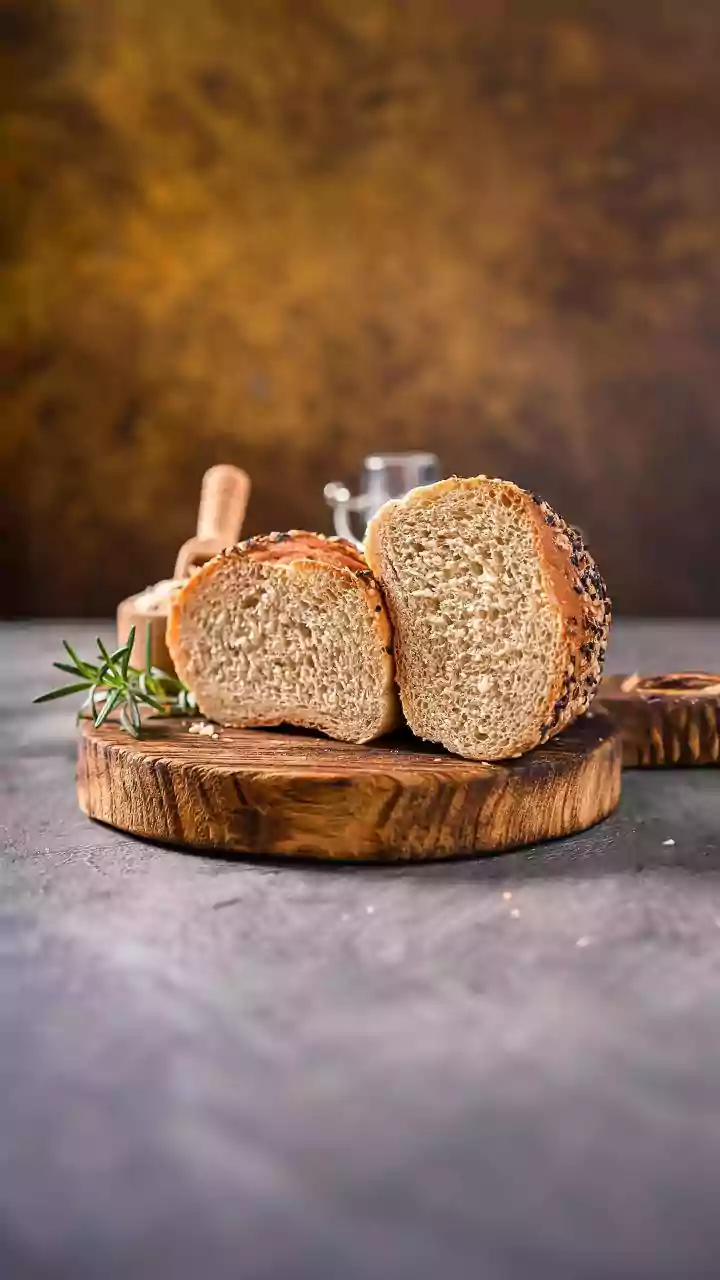
A new wave of bakers across India is embracing a return to roots, transforming traditional native millets like jowar (sorghum), ragi (finger millet), and bajra (pearl millet) into sophisticated, delicious baked goods. This trend is driven by a growing
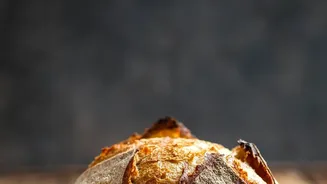
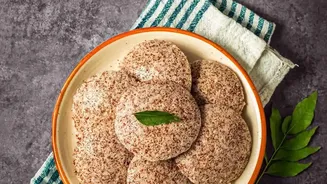
desire for healthier, locally-sourced food that doesn’t compromise on flavour. For years, these grains were staples in Indian homes, but now they are the star ingredients in everything from rustic loaves and focaccia to decadent brownies and cookies. Bakeries like Loafer & Co in Bengaluru and Earthy Grains in Noida are leading the charge, proving that these humble grains have a firm place in the world of gourmet baking. This isn't just about health; it's a creative culinary movement reimagining India's food heritage.
Understanding 'Gluten-Friendly'
You might see these treats labelled “gluten-friendly” rather than “gluten-free.” This distinction is important. A gluten-friendly item is made without any gluten-containing ingredients, but it is prepared in a kitchen where wheat and other glutenous flours are also used. This means there is a risk of cross-contamination, where trace amounts of gluten might find their way into the final product. For someone with a mild sensitivity or who is simply looking to reduce their gluten intake, these treats are a great option. However, for individuals with celiac disease or a severe gluten allergy, the risk of a reaction from even tiny traces of gluten makes these items unsuitable. Bakeries use this term to be transparent with customers about their kitchen environment.
The Science of No-Gluten Baking
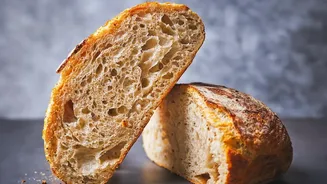
Baking without gluten, the protein that gives bread its structure and chewiness, is a significant challenge. Gluten forms an elastic network that traps air and provides shape. Millets, being naturally gluten-free, don't have this property. As a result, using only millet flour can lead to dense, crumbly products that don't hold together well. To overcome this, bakers have developed innovative techniques. The key is to find a replacement for gluten's binding properties. Binders like psyllium husk, xanthan gum, and ground flaxseed are often used. These ingredients absorb water and form a gel-like substance that mimics gluten's ability to provide structure and moisture, resulting in a softer, more appealing texture.
Mastering the Millet Flours
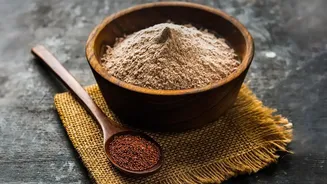
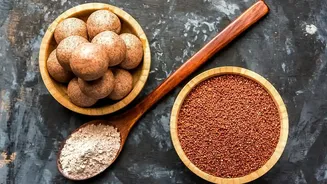
Not all millets are the same, and artisanal bakers masterfully blend them to achieve the perfect result. Jowar, with its mild, slightly sweet taste, is often a favourite for beginners as it's the most similar to wheat in flavour. Ragi has a distinctive earthy, malty taste and provides a deep, reddish-brown colour, making it ideal for brownies and rustic breads. However, it can be dense on its own. To create a balanced texture and flavour, bakers rarely use a single millet flour. Instead, they create custom blends, often mixing a percentage of millet flour (typically 20-30%) with other gluten-free flours like brown rice or starches like tapioca and potato starch. This careful combination ensures a final product that is both flavourful and structurally sound.
Techniques for Texture and Taste
Beyond blending flours, bakers employ specific techniques to enhance millet-based treats. Since millet flours are very absorbent, recipes often require more liquid to prevent the final product from being dry. Another common method is to 'scald' the flour by mixing it with boiling water and letting it rest. This process helps to hydrate the flour thoroughly, resulting in a softer, more pliable dough that is easier to work with and yields a less crumbly end product. Some bakers also use sprouted millet flour, which not only increases the bioavailability of nutrients but also lends a slightly sweeter, more complex flavour to breads and cakes. These thoughtful techniques are what elevate millet baking from simply being a 'healthy alternative' to a truly artisanal craft.