

The Kalderimi: Greece's Original Highways
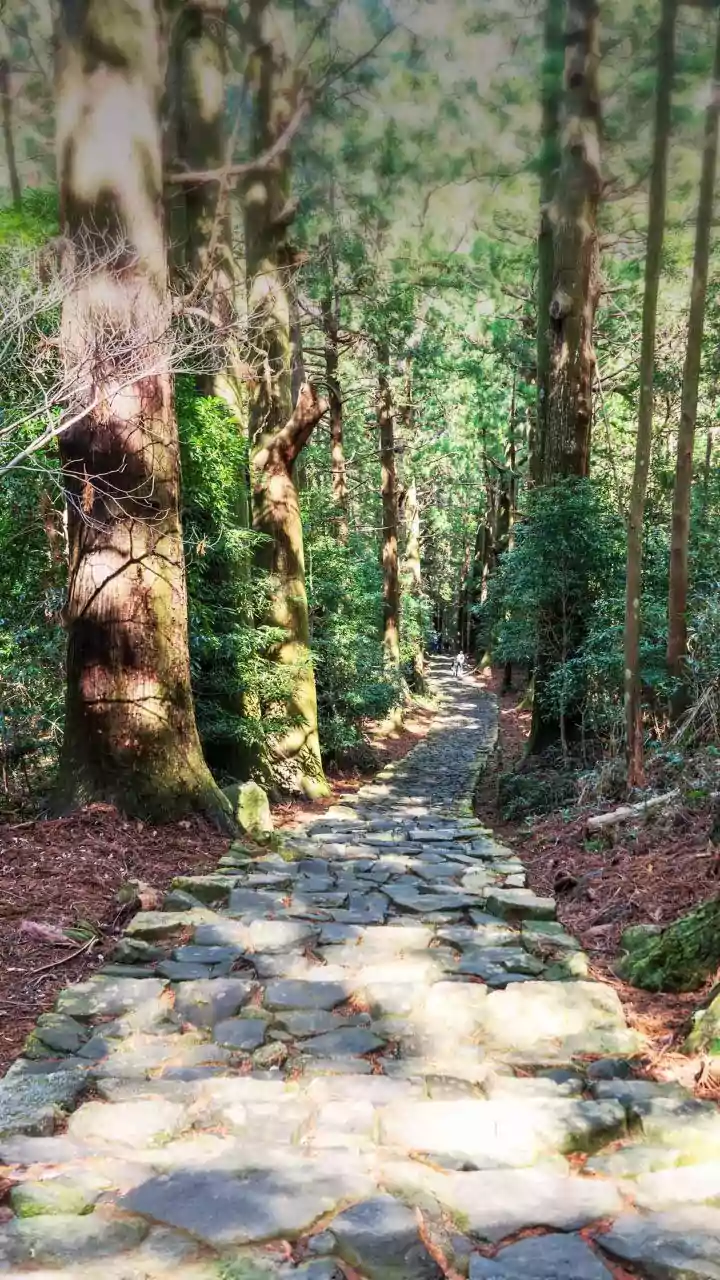
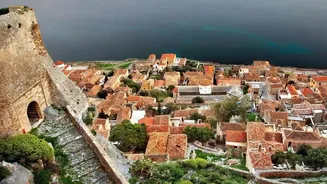
Before asphalt roads, there were the 'kalderimia'. These stone-paved paths, often just wide enough for two laden mules to pass, formed the lifeblood of rural Greece for centuries. Crisscrossing mountains and islands, they connected villages to fields,
ports to chapels, and communities to each other. Many of these routes follow even older tracks from the Roman or Venetian eras. Today, after years of neglect, many of these kalderimia are being cleared and waymarked by local volunteers, transforming them from forgotten mule tracks into world-class hiking trails for those seeking to explore the country on foot.
The Menalon Trail: Arcadia's Mythical Heart
In the heart of the Peloponnese peninsula lies Arcadia, a land steeped in mythology. The Menalon Trail, Greece's first trail to be certified by the European Ramblers' Association, is a 75-kilometre journey through this storied region. The path follows ancient mule tracks that connect a series of stunning stone mountain villages like Stemnitsa and Dimitsana. Hikers traverse the dramatic Lousios Gorge, where monasteries cling to cliff faces, pass through dense fir forests, and follow the Mylaon River valley. This trail is more than a walk; it's an immersion into a landscape that was once considered the home of the god Pan. It is exceptionally well-marked, making it an accessible adventure for most reasonably fit walkers.
The Corfu Trail: An Island from South to North
Showcasing a greener, more rugged side of the popular Ionian island, the Corfu Trail is a long-distance route stretching approximately 180 kilometres from the island's southern tip to its northern coast. Established around the turn of the millennium, the waymarked path was designed to lead walkers away from scarred coastal resorts and into the island’s authentic interior. The trail meanders through rolling olive groves, passes traditional villages, and climbs to vantage points with staggering views before descending to secluded beaches. The route deliberately avoids sticking to the coast, instead revealing a landscape of surprising variety, from juniper dunes in the south to the rugged karst plateau in the north. Most walkers take between 10 to 15 days to complete the full journey.
Zagori: The Land of Stone Bridges and Gorges
In the Pindus mountains of mainland Epirus, the region of Zagori offers some of Europe's most dramatic hiking. This is a world of deep canyons, most famously the Vikos Gorge, and 46 traditional stone villages (known as Zagorochoria) connected by an impressive network of arched stone bridges and cobbled paths. Hiking in Zagori is a direct engagement with its history; these paths and bridges were the only way to travel before modern roads. Trails range from easy half-day walks between villages like Kipi and Vitsa to challenging full-day treks through the heart of Vikos Gorge or up to the alpine 'Dragon Lake' of Mount Tymfi. The Vradeto Steps, a centuries-old stone staircase climbing a cliff face, is a highlight, showcasing the incredible engineering of the past.
Ursa Trail: The Bear's Path in Metsovo
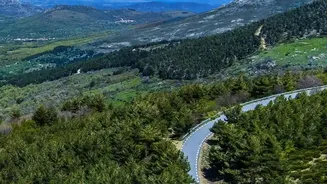
Another gem in the Epirus region is the Ursa Trail, a 40-kilometre circular path around the mountain town of Metsovo. Also certified as one of the 'Leading Quality Trails - Best of Europe', the 'Bear's Path' takes hikers through dense forests of black pine and beech, past World War II trenches, and over mountain ridges with sweeping views. The route was originally designed for a popular mountain race but is divided into four main sections perfect for day hiking. Maintained by local volunteers and the municipality, the trail showcases both the wild nature of the Pindos mountains and the cultural landscape of the region, passing by unique art installations along the way.