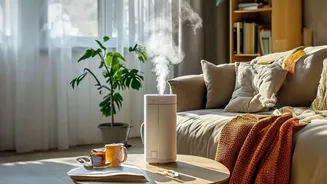






Why High Humidity is More Than Just Sticky
Before diving into solutions, it's crucial to understand why controlling indoor humidity is so important. When relative humidity inside your home consistently stays above 60%, it creates an ideal breeding ground for mould, mildew, and dust mites. These
can trigger allergies, asthma, and other respiratory issues. Beyond health concerns, excess moisture can warp wooden furniture, damage electronics, peel paint, and cause that persistent musty smell that sinks into clothes and upholstery. Tackling humidity is about protecting both your health and your home's integrity.
Master Strategic Ventilation
The simplest and cheapest weapon against humidity is air circulation. Stagnant air traps moisture, so getting it moving is your first priority. Try to open windows and doors for at least 15-30 minutes daily, preferably when the outside air feels slightly drier, to allow cross-ventilation. Use exhaust fans religiously. Run the kitchen chimney while cooking, not just frying, and leave the bathroom fan running for 15-20 minutes after a shower to expel steam and moisture directly outside. If you don't have exhaust fans, even a small table fan pointed out a window can help push damp air out.
Use Your Air Conditioner Wisely
Your air conditioner is an excellent dehumidifier. As it cools the air, it also removes a significant amount of moisture, which is drained away outside. Many modern ACs feature a 'Dry Mode', specifically designed for humid but not-so-hot days. This mode runs the compressor at a lower speed, prioritising moisture removal over aggressive cooling, which makes the room feel comfortable and less sticky without getting too cold. It’s the perfect setting for those grey, drizzly monsoon afternoons.
Embrace Natural and DIY Moisture Absorbers
For enclosed spaces like wardrobes, cabinets, and shoe racks where air doesn't circulate well, natural desiccants are a game-changer. These materials absorb ambient moisture, keeping your belongings dry and odour-free. You can place bowls of rock salt, baking soda, or activated charcoal briquettes in damp corners. These are inexpensive and effective for small, contained areas. They will harden or clump as they absorb moisture, signalling it's time to replace them. You can also find commercial moisture absorbers like silica gel packets for the same purpose.
Rethink Your Daily Habits
Small changes in your routine can have a big impact on indoor humidity levels. Avoid drying laundry indoors if possible; if you must, place the drying rack in a well-ventilated area or a room with a running fan. When cooking, cover pots and pans to reduce the amount of steam released into the air. After a shower, wipe down wet walls and floors to prevent that water from evaporating back into the air. Regularly inspect for and fix any minor leaks under sinks or around windows, as these are constant sources of unwanted moisture.
Declutter and Organise for Better Airflow
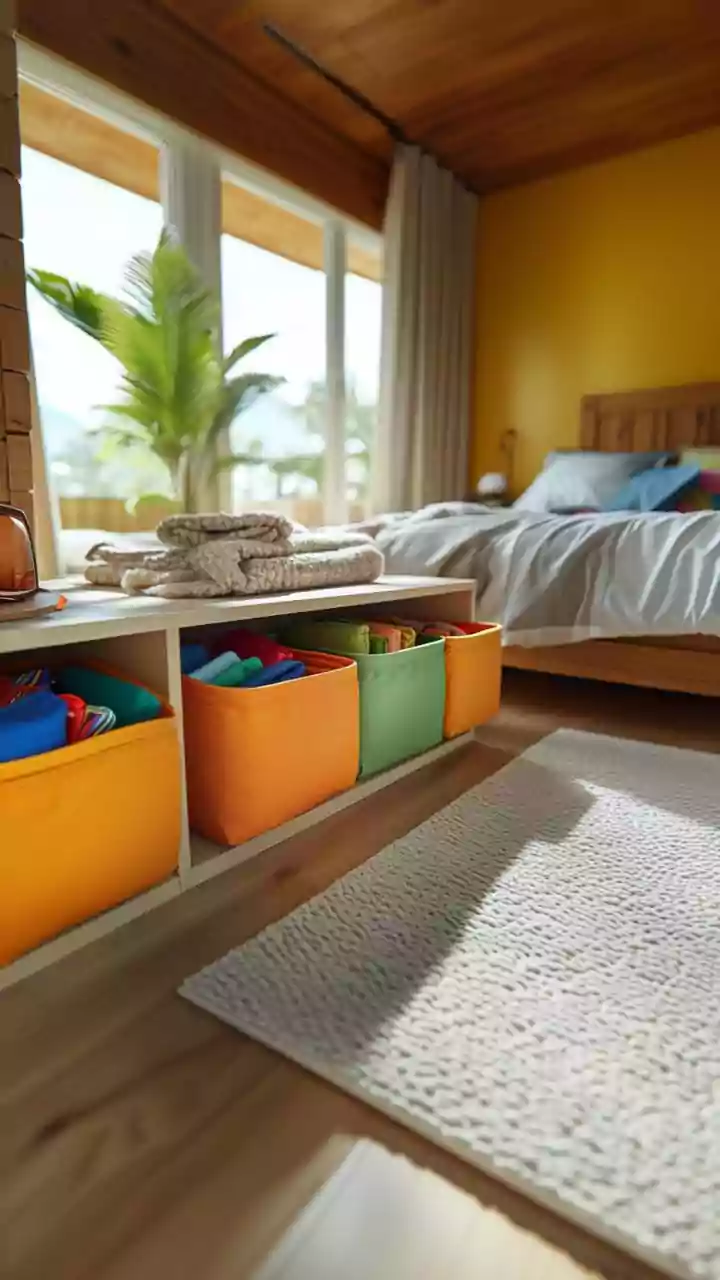
Cluttered spaces and overstuffed closets restrict airflow, creating pockets of stagnant, damp air that are perfect for mould. Create space between furniture and walls to allow air to circulate freely. Similarly, don't pack your wardrobes too tightly; giving your clothes breathing room helps prevent them from feeling damp and developing musty odours. Store seasonal items like heavy rugs and carpets, as they can trap a lot of moisture. A little organisation goes a long way in letting your home breathe.