

Beyond the 'Water Once a Week' Myth
The most common advice given to new plant owners is often the most misleading: water on a fixed schedule. This approach ignores the reality that a plant's thirst changes daily and seasonally. Factors like temperature, humidity, and growth rate all influence
water needs. A plant's need for water is fundamentally linked to the energy it gets from light and the medium its roots live in. Watering thoroughly but less frequently is generally better than a light splash every day. This encourages deep root growth, making plants more resilient. The true key is to stop scheduling and start observing.
The Foundation: Understanding Your Soil
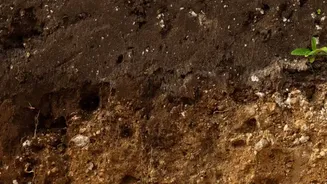
Soil isn't just dirt; it's a reservoir for water and nutrients. The type of soil your plant is in dramatically affects how often it needs a drink. Sandy, coarse soils have large particles and big gaps between them, allowing water to drain through very quickly. These soils need to be watered more often with smaller amounts. Clay-heavy soils are the opposite, with tiny, densely packed particles that hold onto water for a long time. They should be watered slowly and deeply, but much less frequently to avoid waterlogging and root rot. Most standard potting mixes aim for a loamy balance, retaining moisture without becoming soggy. The simplest way to check moisture is the finger test: if the top one to two inches of soil feel dry, it's likely time to water.
Follow the Light: A Plant's Energy Source
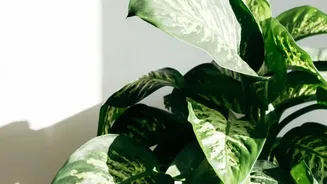
Light is a plant's food. Through photosynthesis, plants use sunlight to convert water and carbon dioxide into energy for growth. This process directly impacts water consumption. A plant sitting in a bright, south-facing window is photosynthesizing at a high rate and will use water much more quickly than a plant in a low-light corner. As a rule, more light means more water is needed. This is why many plants need less water during the shorter, darker days of winter when they are growing more slowly. Paying attention to your plant's light exposure is crucial for adjusting your watering routine accordingly.
Listen to Your Plant: Signs of Thirst and Drowning
Plants are excellent communicators, if you know what to look for. The symptoms of over- and under-watering can be confusingly similar, often involving wilting or drooping leaves. However, there are key differences. An under-watered plant's leaves will feel dry and crispy, and the pot will feel light. The plant will typically perk up quickly after a good drink. Conversely, an over-watered plant's leaves may yellow, feel soft and mushy, and the soil may have mold or a foul smell from root rot. The plant droops because the suffocated, rotting roots can no longer absorb water, even though the soil is soggy. Always check the soil moisture to make a final diagnosis.
Putting It All Together: A Holistic Approach
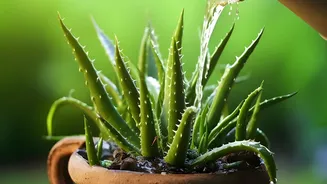
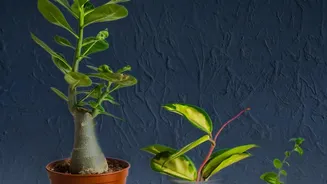
Creating a thriving indoor garden means thinking like an ecosystem. Before you water, synthesize the information from these three elements. Consider a succulent: it’s a desert plant that stores water in its leaves. If it's in a fast-draining, sandy soil and a bright, sunny window, it will still need water, just not very often. Now consider a fern in a bathroom. It’s in a loamy soil mix, receives lower, indirect light, and lives in a high-humidity environment. It will need to be kept more consistently moist than the succulent. The best time to water for most plants is in the morning, which hydrates them for the day and allows excess moisture on the leaves to evaporate in the sun, reducing the risk of fungal diseases. By reading the interplay of light and soil, you can move beyond a rigid schedule and provide water exactly when your plant needs it.