

What is This Ancient Drink?
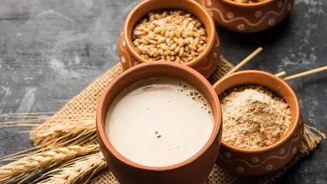
Ambali is a traditional porridge-like beverage with deep roots in South Indian states like Karnataka, Andhra Pradesh, and Telangana. For generations, it has been a nourishing staple for farmers and rural communities. At its core, it is made from ragi,
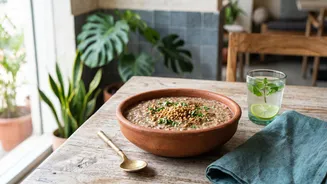
or finger millet flour, which is cooked into a paste and then left to ferment naturally, often overnight. This fermentation process gives it a distinctive, mildly tangy flavour. Traditionally served savoury, the fermented base is thinned with water or buttermilk and seasoned with salt, finely chopped onions, ginger, green chillies, and curry leaves. A sweet version, made with jaggery, also exists, but it is the savoury, probiotic powerhouse that is capturing urban attention.
A Nutritional Powerhouse
The rising popularity of Ambali isn't just about taste; it’s driven by a potent combination of health benefits that align perfectly with modern wellness trends. The fermentation process makes it a natural probiotic, introducing beneficial bacteria that support gut health and digestion. Ragi itself is considered a superfood, naturally gluten-free and packed with calcium, iron, and essential amino acids. It has a low glycemic index, making it a suitable option for those managing blood sugar levels. Furthermore, Ayurvedic traditions consider ragi to have cooling properties, making Ambali a sought-after beverage to beat the summer heat and stay hydrated. This impressive nutritional profile makes it a stark contrast to many sugary, high-caffeine cafe drinks.
The Urban Comeback
So how did a farmer’s humble gruel become a trendy urban wellness drink? Ambali’s revival is part of a larger cultural shift across India—a rediscovery and celebration of indigenous food wisdom. For years, traditional foods were often seen as old-fashioned, but that perception is changing rapidly. Health-conscious urbanites, wary of processed foods, are actively seeking out natural and functional alternatives. The internet has played a huge role, with food bloggers, nutritionists, and wellness influencers popularizing the drink and sharing recipes. This digital word-of-mouth has introduced Ambali to a new audience that values authenticity and sustainability, transforming it from a forgotten staple into a coveted health elixir.
A Quiet Rebellion Against the Cafe
The headline's claim of 'winning over' coffee shops is less about a direct commercial battle and more about a growing counter-movement. While the global coffee chain offers a standardized experience, Ambali represents something deeply local, affordable, and nourishing. It is a quiet rebellion against the expensive, often unhealthy, cafe culture. Consumers are increasingly looking for beverages that do more than just provide a caffeine hit; they want functional benefits like improved gut health and sustained energy without the subsequent crash. This has led to a broader revival of traditional Indian drinks, from Kanji to Solkadi, which are now appearing in wellness cafes and being championed by a new generation. Ambali fits perfectly into this new landscape, offering a different kind of social and personal ritual—one rooted in health, not hype.
More Than a Drink, It's an Identity
Ultimately, the turn towards Ambali is about more than just nutrition; it's a reclamation of cultural identity. In a globalized world saturated with identical products, consuming a drink like Ambali is a conscious choice to connect with one's heritage. It represents a vote for local farmers, for sustainable indigenous grains like millets, and for the time-tested knowledge passed down through generations. This movement is not about rejecting the modern world, but rather about integrating the wisdom of the past into contemporary life. It’s a delicious and powerful statement that what is traditional can also be profoundly modern and relevant.