


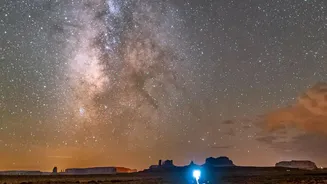
What is a Dark Sky Reserve?
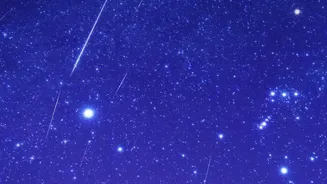
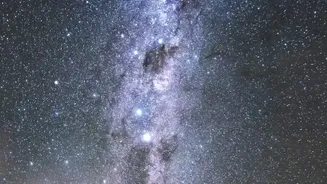
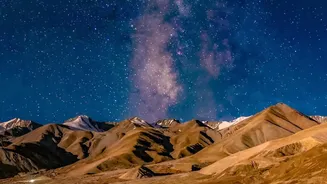
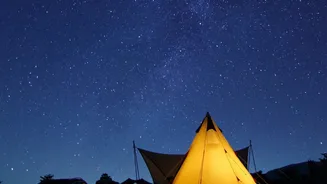
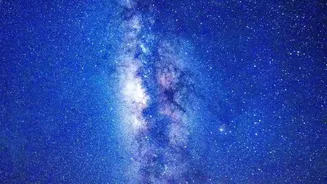
Imagine a place so dark that the Milky Way appears not as a faint haze, but as a brilliant river of light across the sky. This is the reality in Hanle, Ladakh, the site of India's first official Dark Sky Reserve. Designated in 2022, the reserve is a protected
zone where artificial light pollution is strictly minimized to preserve the natural darkness. Spanning a 22-kilometre radius within the Changthang Wildlife Sanctuary, the area was chosen for its unique advantages: it sits at a high altitude of over 4,500 metres, experiences more than 270 clear nights a year, and has extremely dry air, creating near-perfect conditions for looking into the cosmos. This initiative, a collaboration between the UT Ladakh administration, the Ladakh Autonomous Hill Development Council (LAHDC), and the Indian Institute of Astrophysics (IIA), aims to protect this pristine environment for both scientific research and public enjoyment.
The Crown Jewel of Indian Astronomy
The heart of the Hanle Dark Sky Reserve is the Indian Astronomical Observatory (IAO), one of the highest observatories in the world. Operated by the IIA, this facility has been a critical site for Indian scientists since it became operational in 2001. Its location was strategically selected after extensive surveys in the 1990s confirmed the region's superior atmospheric conditions. The IAO is home to several powerful instruments, including the 2-metre Himalayan Chandra Telescope (HCT) for optical and infrared observations. It also hosts gamma-ray telescopes like the Major Atmospheric Cherenkov Experiment (MACE), which is vital for studying cosmic phenomena like black holes and supernovae. For decades, these telescopes have relied on Hanle's profound darkness to capture faint signals from the furthest reaches of the universe. Protecting these skies is paramount to continuing India's legacy in astronomical research.
The Creeping Threat of Light Pollution
While Hanle remains one of the darkest spots in India, it is not immune to the growing threat of light pollution. This pollution, caused by unshielded streetlights, vehicle headlights, and light escaping from buildings, creates a 'sky glow' that washes out the stars. For astronomers, this is a disaster, as it can interfere with long-exposure photography and damage the sensitive optics of telescopes. But the impact goes beyond science. Excessive artificial light disrupts nocturnal ecosystems, affecting wildlife within the Changthang sanctuary. It also erodes a deep cultural heritage, obscuring the celestial views that have been part of local life for centuries. As tourism and development gradually increase in Ladakh, preventing uncontrolled lighting has become a critical conservation mission.
A Shield Made of Community and Science
The effort to protect Hanle's dark skies is a remarkable story of community partnership. To combat light pollution, a comprehensive light management plan has been put into action. The IIA, with funding from the Ladakh administration, has distributed special equipment to every household within the reserve, including blackout curtains, downward-facing lampshades, and warm-toned bulbs that cause less sky glow. High-beam headlights from vehicles will be prohibited within the reserve's boundaries. Crucially, the local community is at the forefront of this movement. More than two dozen villagers, many of them women, have been trained as 'Astronomy Ambassadors'. Equipped with telescopes and extensive training, they lead stargazing sessions for visitors, turning conservation into a source of sustainable income and local pride.
The Dawn of Astro-Tourism
The creation of the Hanle Dark Sky Reserve is transforming the region into a global destination for astro-tourism. This new model of tourism offers visitors an unparalleled opportunity to connect with the cosmos while contributing directly to the local economy. Instead of large, disruptive hotels, visitors often stay in local homestays, where their hosts might also be their stargazing guides. This initiative is not just providing new livelihoods for the traditionally pastoral communities of Hanle; it's also fostering a deeper appreciation for science and conservation. Star parties and guided tours are becoming regular events, attracting enthusiasts from across India and the world. By turning its pristine night sky into its greatest asset, Hanle is building a future that is both economically and environmentally sustainable.