




The Contenders: Defining HIIT and LISS
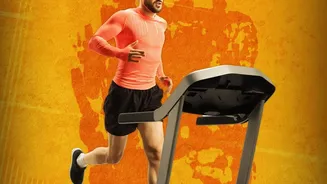
First, let's break down the terms. High-Intensity Interval Training (HIIT) involves short, all-out bursts of exercise followed by brief recovery periods. Think 30 seconds of sprinting, burpees, or jump squats, followed by 60 seconds of walking or complete
rest, repeated for 15-20 minutes. The goal is to push your heart rate to 80% or more of its maximum capacity during those intense intervals. On the other side is Low-Intensity Steady-State (LISS) cardio. This involves maintaining a consistent, moderate pace for a longer duration, typically 30 to 60 minutes. Examples include a brisk walk, a steady bike ride, or a light jog where you can still hold a conversation. The aim is to keep your heart rate in a lower, more sustainable zone, around 50-65% of your max.
For the Time-Crunched Professional
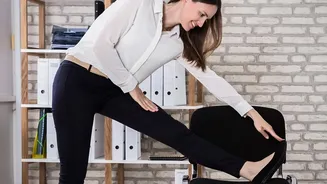
If your biggest enemy is the clock, HIIT is incredibly efficient. A complete session can often be done in under 30 minutes, making it a powerful option for squeezing in a workout during a lunch break or before the workday begins. Research has shown that these short, intense workouts can provide significant fitness benefits in a fraction of the time compared to longer cardio sessions. LISS, by its nature, requires a greater time commitment per session, often 45 to 60 minutes, to achieve a substantial calorie burn. However, its lower intensity means it can sometimes be integrated into your day more seamlessly, such as taking a long walk while on a phone call or using an under-desk elliptical.
The Science of Calorie and Fat Burning
Both methods are effective for weight management, but they work differently. HIIT is famous for the "afterburn effect," known scientifically as Excess Post-Exercise Oxygen Consumption (EPOC). Because the workout is so intense, your metabolism stays elevated for hours afterward as your body works to recover, burning extra calories long after you've stopped sweating. LISS, conversely, burns a higher percentage of calories from fat during the actual workout. However, since HIIT burns more total calories per minute, the overall calorie expenditure, including the afterburn, can be greater in a shorter amount of time. Ultimately, studies suggest both are effective for fat loss, and the best choice depends on what you can stick with.
Injury Risk and Sustainability
This is a crucial consideration for anyone starting a new routine, especially after being sedentary. LISS is gentle on the joints and easier on the body, making it a great option for beginners, for active recovery days, or for those with previous injuries. The risk of injury is significantly lower. HIIT, with its explosive movements, carries a higher risk of injury if your form isn't correct, and the intensity can lead to overtraining or burnout if done too frequently. Experts generally recommend no more than two to three HIIT sessions per week to allow for adequate recovery. LISS is often more sustainable for daily activity and can be more meditative and stress-reducing.
So, Which Is Right for You?
The best workout is the one you will consistently do. Here’s a simple guide to help you choose. Choose HIIT if: You are short on time and need an efficient workout. You enjoy pushing yourself to the limit and want to improve athletic performance. You get bored easily and like fast-paced, varied workouts. Choose LISS if: You are new to exercise or returning after a break. You prefer lower-impact, less stressful workouts that are easier on your joints. You want to build endurance or are looking for an active recovery exercise on your “off” days. A hybrid approach is often ideal. Combining 1-2 HIIT sessions with 2-3 LISS sessions per week can give you the best of both worlds: the metabolic benefits of high-intensity work and the endurance-building, restorative effects of steady-state cardio.