






Every year, India's festive season sparks a nationwide shopping frenzy. But behind the 'add to cart' button lies a massive logistical operation, powered by a temporary army of workers hired to ensure your packages arrive on time. Here's how.
An Annual Economic Super-Event
The period
from September to December marks India's most significant consumption season. Festivals like Dussehra and Diwali are not just cultural celebrations; they are powerful economic engines that drive a surge in consumer spending. Millions of people buy everything from electronics and apparel to gifts for family and friends, leading to an explosion in online orders. E-commerce platforms and quick-commerce companies see their order volumes multiply overnight. This predictable, yet enormous, spike in demand puts immense pressure on the entire supply chain, from the warehouse shelf to the customer's doorstep. Preparing for this rush is a complex challenge that businesses start planning for months in advance.
The Scale of the Hiring Frenzy
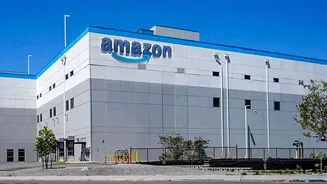
To handle the deluge of orders, companies undertake a massive seasonal hiring drive. In 2026, the Indian market was expected to create over 2.5 lakh temporary and gig jobs for the festive period, a significant increase from previous years. E-commerce giants lead the charge. Amazon, for example, announced over 1.6 lakh seasonal work opportunities, while Flipkart prepared to add more than 2.5 lakh direct and indirect roles. Myntra planned to more than double its seasonal workforce, adding over 26,000 positions. This hiring boom isn't confined to metros; nearly 45% of the workforce demand now comes from Tier 2 and Tier 3 cities like Jaipur, Lucknow, and Coimbatore, reflecting the deep penetration of e-commerce across the country.
More Than Just Delivery Drivers
While the most visible temporary role is the last-mile delivery partner, the festive hiring boom creates a wide variety of jobs. The entire logistics network needs to be reinforced. A large share of the demand is for operations and fulfilment roles inside warehouses and sorting centres. These include workers for sorting, grading, packing, and managing inventory. Additionally, companies hire thousands of customer service agents to handle the increased volume of queries and order tracking requests. This diverse range of roles is crucial for ensuring the end-to-end process—from order confirmation to final delivery and potential returns—runs smoothly during the peak season.
Technology: The Unseen Coordinator
Scaling a logistics network this rapidly would be impossible without a strong technological backbone. Technology is the invisible force that orchestrates this seasonal army. Companies use AI and machine learning to forecast demand with greater accuracy, allowing them to preposition inventory in the right locations to reduce delivery times. Route optimisation software uses real time traffic data to ensure delivery fleets are as efficient as possible. Inside the warehouse, automated systems and smart Warehouse Management Systems (WMS) streamline the process of picking and packing orders, sustaining performance even during extreme surges. For the temporary workforce, mobile first apps for onboarding, attendance tracking, and communication have become standard, allowing companies to hire and deploy thousands of workers quickly.
A Flexible Solution for a Cyclical Need
This model of mass temporary hiring offers a strategic advantage to companies. It allows them to scale their operational capacity to meet peak demand without the long term financial commitment of a massive permanent workforce. For the workers, many of whom are early career professionals or first time jobseekers, it provides a crucial source of income and valuable work experience in a fast growing sector. While the roles are temporary, they serve as an entry point into the formal economy for many. The festive hiring season has evolved from a short term response into a strategic part of India's employment landscape, turning a seasonal challenge into a large scale economic opportunity.