

The Science vs. The Living Room
A famous 1989 NASA study found that certain houseplants could remove harmful chemicals like benzene and formaldehyde from sealed chambers. This is the science that launched the air-purifying plant trend. However, it's important to set realistic expectations.
Our homes are not sealed labs; they have drafts, open doors, and much larger air volumes. Recent analysis shows you would need a huge number of plants—up to 1,000 per square meter—to match the cleaning power of a good air purifier. So, while plants are not a magic bullet, they are a valuable part of a healthier home. They do filter some pollutants, add calming greenery, and can even boost your mood.
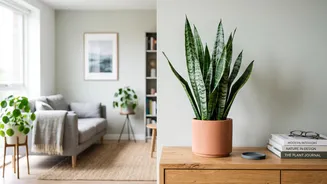
The Hardy Snake Plant
Often called 'mother-in-law's tongue', the Snake Plant is perfect for beginners because it's nearly indestructible. It tolerates low light and infrequent watering. NASA's research highlighted its ability to filter formaldehyde and benzene. Uniquely, it releases oxygen at night, making it an excellent choice for bedrooms to promote a better sleeping environment. Its upright, architectural leaves also add a modern touch to any room. For care, simply water it sparingly, allowing the soil to dry out completely between waterings, and place it in indirect sunlight.
The Elegant Areca Palm
With its lush, feathery fronds, the Areca Palm brings a tropical feel indoors and is a favourite in many Indian homes. It is highly effective at removing airborne toxins like xylene and toluene. Besides cleaning the air, it’s a fantastic natural humidifier, which can be a great benefit during Delhi's dry winter months. It thrives in bright, indirect light and needs its soil to be kept lightly moist. It is a beautiful floor plant that can make a living room feel fresh and vibrant.
The Ubiquitous Money Plant
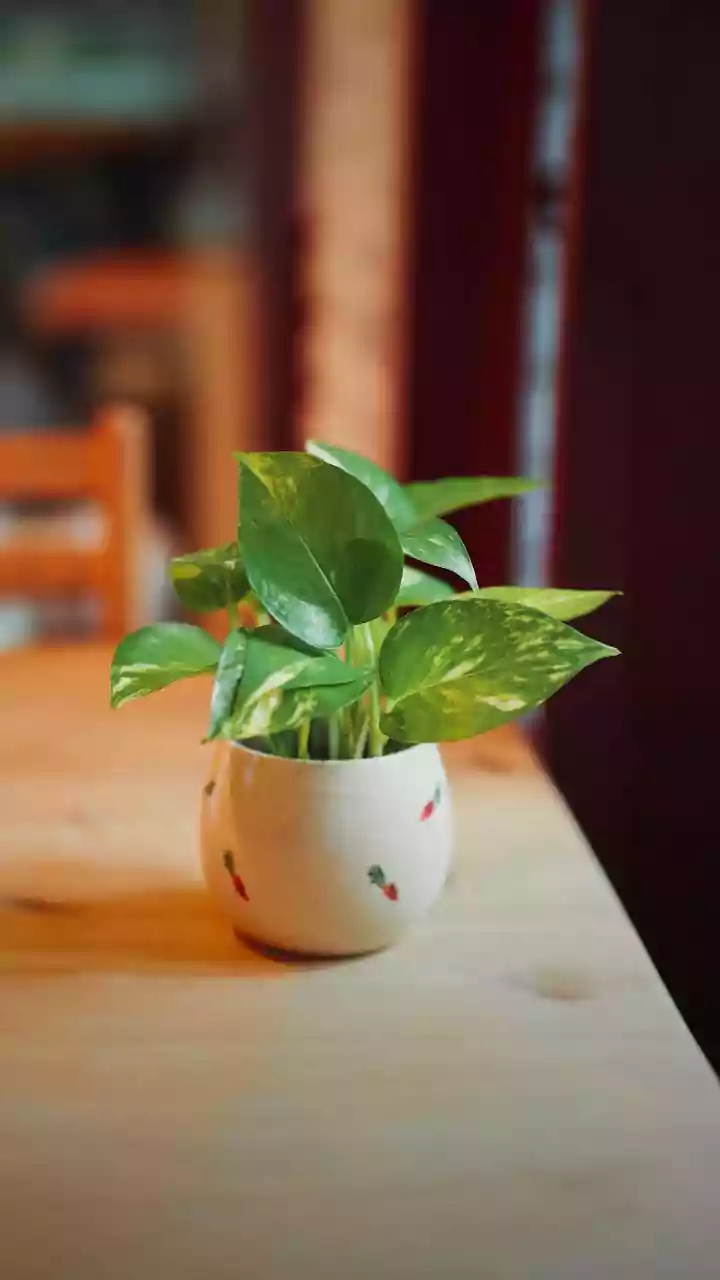
Chances are, you already know someone who has a Money Plant (Pothos). This hardy vine is incredibly easy to grow, whether in soil or just a bottle of water. It's well-regarded for its ability to filter pollutants like formaldehyde, benzene, and carbon monoxide. Its fast-growing vines can be trained to climb or trail from shelves, making it a versatile decorative element. The Money Plant is tolerant of low light but prefers a brighter spot. Just be careful not to overwater it; let the soil dry out a bit between waterings.
The Prolific Spider Plant
The Spider Plant is another excellent choice for beginners and is known for being highly adaptable. It’s particularly good at tackling formaldehyde and xylene, two common indoor pollutants. It gets its name from the small 'spiderettes' that dangle from the mother plant, which can be easily repotted to create new plants. This makes it easy to populate your home with more greenery. It prefers bright, indirect sunlight and moderate watering.
The Graceful Peace Lily
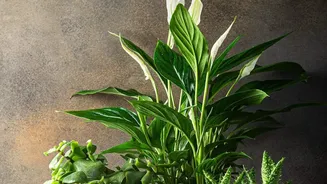
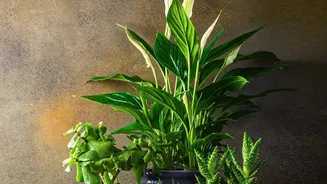
The Peace Lily is admired for its beautiful, spoon-shaped white flowers and glossy dark green leaves. It’s a workhorse in the air-purifying world, known for its ability to absorb a wide range of pollutants, including ammonia, benzene, and formaldehyde. It performs well in lower light conditions, though it needs bright, indirect light to bloom. It will even 'tell' you when it's thirsty by drooping its leaves dramatically. Do note, however, that Peace Lilies are toxic to pets if ingested.
A Holistic Approach to Cleaner Air
While filling your home with these green companions is a positive step, they work best as part of a wider strategy. On days when the outdoor AQI is high, it remains crucial to keep windows and doors sealed. Consider investing in a quality air purifier with a HEPA filter, especially for bedrooms, as this is far more effective at removing dangerous PM2.5 particles. Use exhaust fans in kitchens and bathrooms to vent pollutants. Plants contribute to a healthier indoor ecosystem, but they are one tool in the toolkit, not the entire solution.