




The Predictable Cycle of Urban Chaos
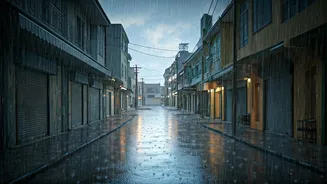
Every year, it’s the same story. News channels and social media timelines are flooded with dramatic visuals of cars submerged on city highways and reports of flight disruptions. The narrative is one of civic failure and infrastructure collapse, where
the monsoon is framed primarily as a natural disaster meeting an unprepared metropolis. This coverage is not incorrect; cities like Mumbai do face severe challenges due to their topography, aging drainage systems, and the sheer intensity of rainfall. The problem isn’t that these stories are told, but that they are almost the only ones we hear, creating a monolithic and overwhelmingly negative portrait of India’s most vital season.
Beyond the Waterlogging and Traffic Jams
By focusing solely on the chaos, we miss the deeper, more diverse relationship that most of India has with the monsoon. For countless smaller towns and villages, the rains are not an annual antagonist but a lifeline. They signal the end of a punishing summer, the beginning of the agricultural cycle, and a time of cultural renewal. The stories here are not just of disruption but of adaptation, celebration, and community. These are tales of resilience passed down through generations, where life doesn't just halt in the face of rain—it transforms. From unique culinary traditions to specific festivals, the monsoon’s arrival is a deeply ingrained cultural event far richer than the narrative of a city brought to a standstill.
The Stories We Are Missing
Imagine the stories that go untold. Think of the excitement in a drought-prone village in Rajasthan as the first drops of rain hit the parched earth, celebrated with the Teej festival where women gather on swings to sing folk songs. Consider the Behdienkhlam festival in Meghalaya, where the Pnar tribe comes together for a three-day ritual to drive away negative forces and ensure a good harvest, culminating in celebratory dances in the mud. Picture the Njangattiri Aanayoottu ceremony in a temple in Kerala, a grand feast exclusively for elephants to appease Lord Ganesha. These aren't just quaint anecdotes; they are living examples of communities maintaining a sacred and joyful connection with nature. They are stories of unique agricultural festivals like Hareli in Chhattisgarh and Aadi Perukku in Tamil Nadu, which mark the season with specific rituals tied to the land. These narratives offer a perspective of hope, reverence, and ingenuity that is largely absent from the mainstream discourse.
A Richer, More Complete National Narrative
Giving visibility to these small-city and rural monsoon stories would do more than just add colour to the news cycle. It would paint a more accurate and holistic picture of India. It would acknowledge that the experiences of those outside the major metropolitan bubbles are just as valid and vital to the national identity. These stories often hold valuable, unwritten knowledge about water management, community-led disaster response, and sustainable living. While urban centres grapple with floods caused by concretization and overwhelmed drainage, many smaller communities offer models of co-existence with nature. Highlighting them could foster a greater appreciation for regional diversity and build a sense of shared identity rooted in something more profound than common complaints about urban dysfunction.
Why This Visibility Matters Now
In an era of accelerating climate change, understanding our relationship with weather patterns is more critical than ever. Intense, erratic rainfall is becoming the new normal for both cities and villages. While urban planners focus on engineering solutions like better drainage and 'sponge cities', the social and cultural adaptations of smaller communities are a crucial part of the puzzle. Their stories are not about nostalgia; they are a living archive of resilience. Ignoring them is not just a media failure; it is a failure of imagination. It deprives us of the chance to learn from a wider pool of Indian experience as we navigate an uncertain environmental future. By broadening our lens, we don't just see more of India; we see it more clearly.