





1. Okra (Bhindi): The Resilient Favourite
Bhindi is a quintessential monsoon vegetable for a reason: it thrives in the warm, humid conditions that define this season. It's a relatively low-maintenance plant that rewards gardeners with a steady supply of pods. For best results, sow seeds directly
into your chosen pot or garden patch, ensuring the location receives at least 4-5 hours of sunlight. Use well-draining soil to prevent waterlogging, which is a common monsoon challenge. A mix of garden soil, compost, and sand is ideal. Water the plant when the top inch of soil feels dry, but be mindful not to overwater, as the rains will do much of the work for you. You can expect to start harvesting tender bhindi in about 50-60 days.
2. Spinach (Palak): Quick Leafy Greens
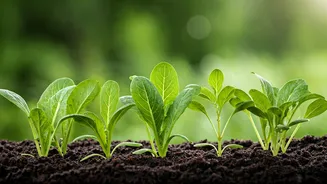
If you crave quick results, palak is your go-to crop. This leafy green grows incredibly fast in the monsoon’s cool and moist environment. You can sow seeds in wide, shallow pots or directly in the ground. Because spinach has shallow roots, it’s an excellent choice for container gardening on balconies and terraces. One of the best things about growing palak is the 'cut-and-come-again' method. Simply harvest the outer leaves once they are large enough, leaving the smaller, inner leaves to continue growing. This ensures a continuous supply for your kitchen. Ensure good drainage and protect young plants from extremely heavy downpours which can damage the tender leaves.
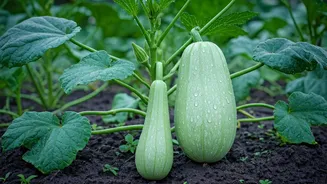
3. Bottle Gourd (Lauki): The Prolific Climber
For those with a bit more space, growing lauki can be immensely rewarding. This vine loves the monsoon and will rapidly climb any support structure you provide, be it a trellis, fence, or even the side of a building. The large leaves of the plant help it absorb the humidity, and the results are often bountiful. Plant 2-3 seeds in a large container or a prepared pit in your garden. As the vine grows, guide it onto its support. The key to a good lauki harvest is consistent moisture and rich soil. The plant produces large, beautiful white flowers before the gourds begin to form. Watching a tiny flower transform into a full-sized vegetable is one of the great joys of gardening.
4. Green Chillies (Hari Mirch): A Splash of Spice
No Indian kitchen is complete without green chillies, and thankfully, they are quite easy to grow at home. Chilli plants perform well during the monsoon, as long as they are protected from the two biggest risks: waterlogged soil and leaf curl disease. Plant them in pots with excellent drainage holes and place them in a spot that gets a good amount of sunlight but is shielded from the heaviest rainfall. A covered balcony is ideal. Use a light, well-draining potting mix. Water only when the soil feels dry to the touch. With a little care, a single healthy plant can provide you with a fresh supply of spicy chillies throughout the season and beyond.
5. Brinjal (Baingan): The Versatile Staple
Brinjal, or eggplant, is another vegetable that flourishes in the warm and humid monsoon climate. Available in various shapes and sizes, from the small round varieties to the long purple ones, you can choose the type you love to cook with. Start with seedlings from a local nursery for a head start, or grow them from seed if you’re feeling patient. They require a sunny spot and soil that is rich in organic matter. Brinjal plants are relatively sturdy, but keep an eye out for common pests like fruit and shoot borers. Regular inspection and removing any affected parts early can keep your plant healthy and productive, giving you plenty of baingan for your favorite bharta or curry.
6. Herbs: Mint (Pudina) & Coriander (Dhania)
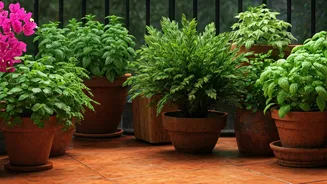
No monsoon garden is complete without a small patch of fresh herbs. Mint is perhaps the easiest herb to grow; you can simply plant a few healthy stems (with nodes) from a store-bought bunch into a pot of soil, and they will take root. It loves moisture and will spread quickly. Coriander can be grown from the whole seeds found in your kitchen masala box. Lightly crush the seeds to split them in half before sowing. Dhania prefers cooler temperatures and partial shade, making it well-suited for the overcast days of the monsoon. Having these fresh flavours on hand for your chai, chutneys, and garnishes is a simple luxury that is easy to achieve.