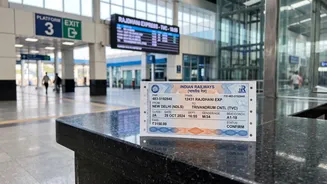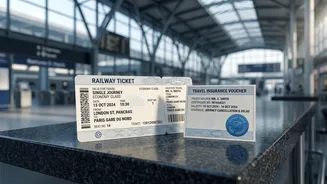



The joyous rush to get home for Diwali is a cherished tradition, but it often involves navigating chaotic and packed railway stations. A little preparation can transform a stressful journey into a safe and comfortable one.
Plan Beyond Just Booking a Ticket
Securing a confirmed ticket is
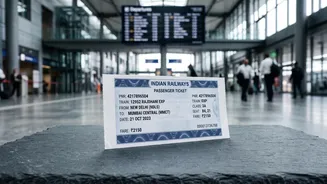
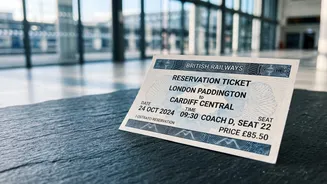
the first hurdle, but smart travel planning goes further. Book your tickets as soon as reservations open, typically 60 days in advance. Keep an eye out for the hundreds of festival special trains that Indian Railways often announces to manage the extra rush; these usually have train numbers starting with '0'. If your ticket is waitlisted, check its status regularly. Having a clear plan for your entire journey, including how you'll get to the station and who is picking you up, reduces last-minute anxiety. Share your itinerary with a family member so someone knows your schedule.
Embrace Digital Tools for a Smoother Journey
Your smartphone can be your most valuable travel companion. Use official apps like IRCTC Rail Connect or third-party apps to book tickets, check your PNR status, and track your train's live running status. This helps you time your departure to the station perfectly, avoiding unnecessary waiting on a crowded platform. Some apps also have a platform locator feature to help you find your coach without frantically searching. For meals, pre-booking through IRCTC's e-Catering service or authorised apps ensures you get hygienic food delivered to your seat, avoiding the scramble at station stalls.
Arrive Early, But Not Too Early
While it's crucial to leave for the station with ample time to account for road traffic and long queues, arriving hours in advance can add to the platform congestion. The key is to get there early enough to avoid a last-minute panic but not so early that you're waiting unnecessarily. To manage crowds during festive periods, Indian Railways often sets up dedicated passenger holding areas or 'Yatri Suvidha Kendras' at major stations. These zones are designed for waiting passengers and are equipped with seating, display boards, and ticketing counters, helping to keep the platforms themselves clearer for boarding.
Pack Light and Keep Valuables Secure
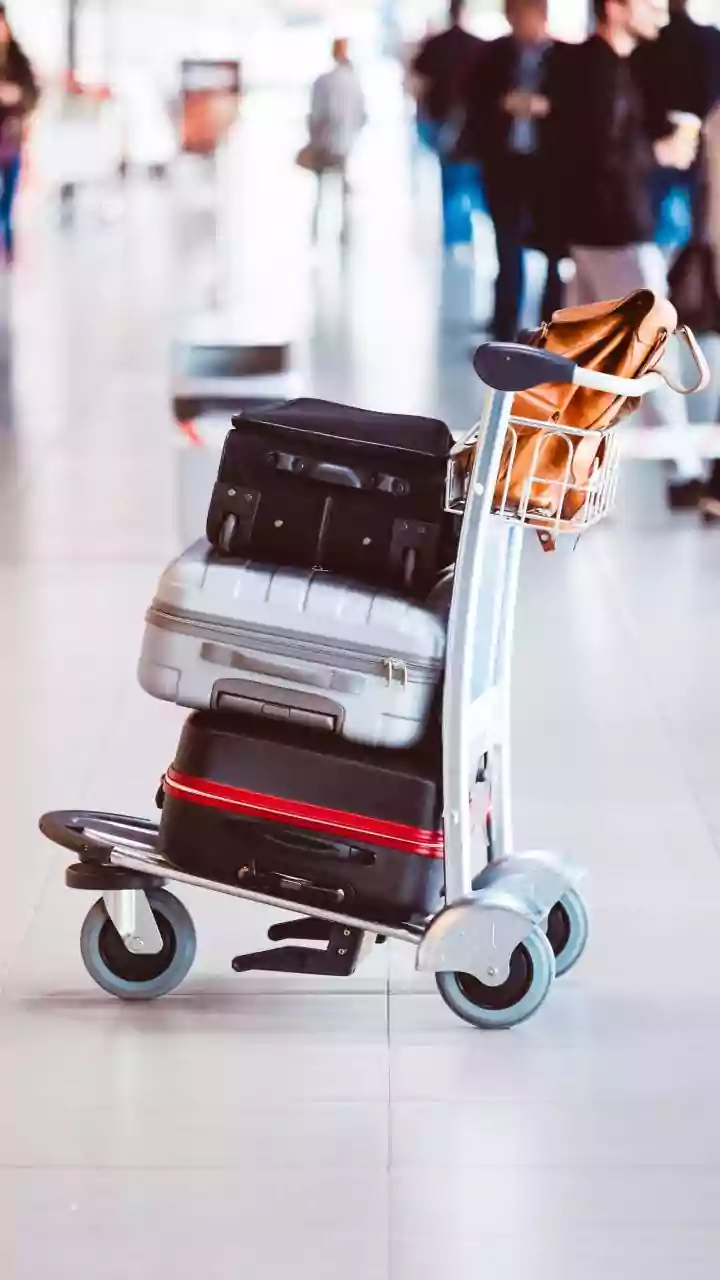
Navigating a packed platform with heavy, cumbersome luggage is a recipe for stress and a potential safety hazard. Pack only what is essential and use sturdy, lockable bags. It is wise to keep all your valuables—such as your wallet, phone, tickets, and ID—in a small, secure bag that you can keep on your person at all times. In a crowded environment, it's easy to get distracted, making you a target for pickpockets. Never leave your luggage unattended, even for a moment, and consider using a chain to secure your bags to the hooks under the lower berth once on the train.
Mind the Crowd and the Platform Edge
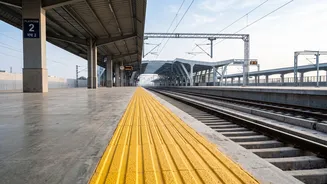
The sheer volume of people can be overwhelming. Always be aware of your surroundings. Stay away from the platform edge and avoid the urge to rush. Listen carefully to official announcements from railway staff for information on your train's arrival and platform changes, rather than relying on wordofmouth from other passengers. When boarding, do not try to get on or off a moving train. If you are travelling with family, especially children or elderly members, hold their hands and ensure you stick together. Establishing a meeting point in case you get separated can be a simple but effective safety measure.
Prohibited Items and Onboard Safety
For everyone's safety, Indian Railways strictly prohibits carrying flammable or explosive items. This includes firecrackers, gas cylinders, kerosene, and stoves. There are significant penalties, including fines and imprisonment, for violating these rules. Railway Protection Force (RPF) personnel often conduct intensified checks during the festive season. Onboard, be cautious about accepting food or drinks from strangers and keep a low profile with your electronic gadgets. If you notice any suspicious activity or unattended items, report it immediately to the RPF, GRP, or any onduty railway official. The Rail Madad helpline number is 139.