



Understanding the Glucose Rollercoaster
First, let's talk about glucose. When you eat carbohydrates—like rice, roti, or potatoes—your body breaks them down into glucose, a type of sugar that enters your bloodstream to be used for energy. A 'glucose spike' happens when this sugar rushes into your blood very
quickly, causing a surge in energy, followed by a crash as your body releases insulin to manage it. While this is a normal process, frequent and sharp spikes can lead to energy slumps, cravings, and, over the long term, may contribute to metabolic health issues. Managing these spikes is a key strategy for maintaining stable energy levels and overall well-being. The goal isn’t to eliminate glucose, but to encourage a slower, more gradual release into the bloodstream, avoiding the dramatic peaks and valleys.
Enter Fibre-Gating: Your Meal's Traffic Controller
This is where a concept we can call 'fibre-gating' comes in. While not a formal scientific term, it’s a brilliant way to describe the effect of strategic meal sequencing. Think of it as creating a gentle, permeable 'gate' in your stomach before you eat your main course. This gate is made of fibre. The science behind this is well-established. When you eat fibre-rich foods first, particularly those with soluble fibre, you effectively change how the rest of your meal is digested. Studies on meal sequencing confirm that eating vegetables or protein before carbohydrates significantly flattens the subsequent glucose curve. This simple shift in order doesn't require you to change what you eat, only when you eat it.
The Science of the 'Fibre Gate'
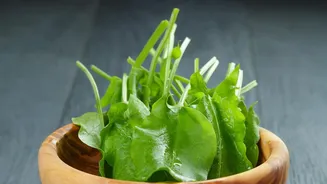
So, how does this gate actually work? The magic lies in a type of fibre called soluble fibre, which is abundant in vegetables, fruits, and legumes. When soluble fibre mixes with water in your stomach, it forms a viscous, gel-like substance. This gel-like mesh has a powerful effect: it physically slows down gastric emptying, which is the speed at which food exits your stomach and enters the small intestine where nutrients are absorbed. By slowing this process down, the carbohydrates you eat later in the meal are broken down and converted to glucose at a much slower, more controlled pace. Instead of a floodgate opening, you get a steady, manageable stream of energy. This prevents the sharp spike and the subsequent energy-sapping crash.
Why a Salad Is the Perfect Starter
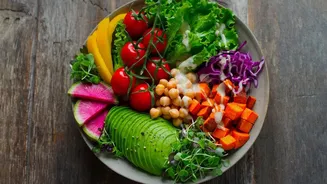
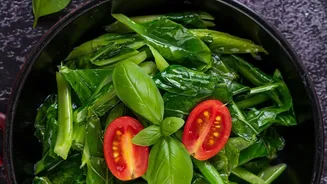
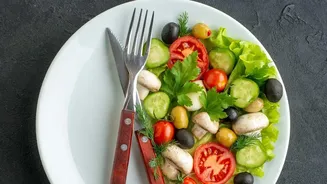
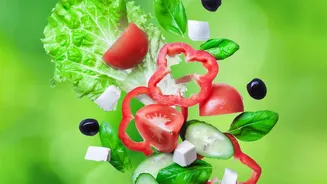
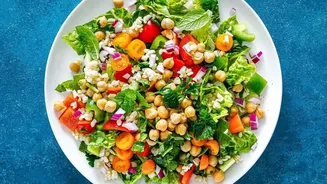
A salad, especially one based on leafy greens and non-starchy vegetables like cucumber, tomatoes, and bell peppers, is the ideal candidate to create this fibre gate. It’s high in fibre and water but low in sugar and starch, meaning it builds the digestive barrier without causing its own glucose spike. Eating a simple kachumber salad (chopped onions, tomatoes, and cucumbers) before your main meal of dal, roti, and sabzi is a culturally intuitive way to apply this principle. The act of chewing the raw vegetables also contributes to the feeling of fullness, which brings another benefit. Studies have shown that starting with a salad can help you feel full faster, potentially reducing overall calorie intake during the meal.
Beyond the Salad Bowl
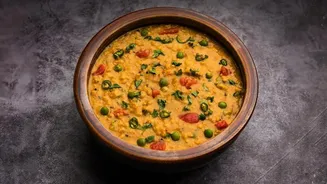
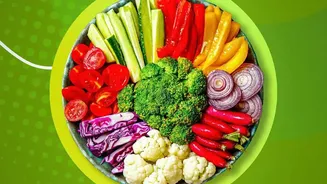
The principle of fibre-gating isn't limited to just raw salads. The key is to start your meal with a fibre-first, low-starch component. This could be a bowl of warm vegetable soup, a side of steamed green beans, or even a handful of nuts. Protein and healthy fats also slow down digestion, so starting with a piece of paneer tikka or a small bowl of dal before the rice and roti can have a similar beneficial effect. The most important takeaway is the sequence: vegetables and protein first, followed by starchy carbohydrates and sugars last. By putting a fibrous 'gate' in place, you empower your body to manage your meal more effectively, leading to better energy, reduced cravings, and improved metabolic health in the long run.