

What Exactly Is a Humidity Tray?
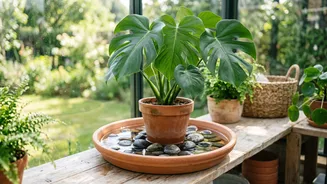
A humidity tray, often called a pebble tray, is a simple, cost-effective tool to increase the ambient moisture around a specific plant. It consists of a shallow, waterproof tray filled with a layer of pebbles or gravel and a small amount of water. The
plant pot sits on top of the pebbles, elevated above the water level. This setup allows water to evaporate from the tray, creating a more humid microclimate directly around the plant's foliage without waterlogging the soil. It’s a popular method for plant owners looking to give their moisture-loving plants a gentle, consistent boost.
The Science of Evaporation
The principle behind a humidity tray is straightforward: evaporation. As water in the tray is exposed to the air, it slowly turns into water vapour. This vapour rises, increasing the relative humidity in the immediate vicinity of the plant. While a single tray won't significantly alter the humidity of an entire room, it creates a localized pocket of moisture right where the plant needs it most—around its leaves. This mimics, on a small scale, the naturally humid environments where many popular houseplants originate. The pebbles are crucial as they increase the surface area for evaporation and, most importantly, keep the pot's base out of the water, which prevents root rot.
How to Make Your Own Tray
Creating a humidity tray is a quick and easy DIY project. Here's what you'll need:1. A Waterproof Tray: Select a shallow tray, saucer, or dish that is at least a few inches wider than the base of your plant's pot. Materials like porcelain, glazed ceramic, or plastic work well, but avoid unglazed terracotta, which will absorb the water.2. Pebbles or Gravel: You'll need enough pebbles, decorative stones, or expanded clay pellets to create a layer about an inch deep. Rinse them before use to remove any dust or debris.3. Water: Regular tap water is perfectly fine.To assemble, simply spread the clean pebbles evenly across the bottom of the tray. Pour in water until the level is just below the top of the pebbles. Finally, place your potted plant securely on top of the pebble layer. The bottom of the pot should not be touching the water directly.
Which Plants Benefit Most?
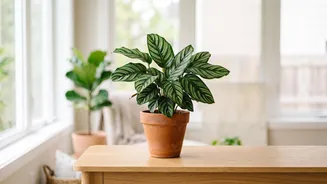
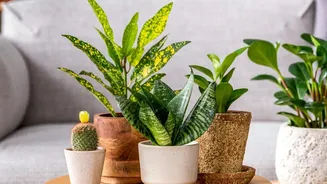
Not all plants need the extra humidity. Species native to arid environments, like cacti and succulents, prefer dry conditions. However, tropical and subtropical plants will show their appreciation with lusher growth and fewer brown tips. Plants that thrive with a humidity tray include ferns (like Boston and maidenhair), orchids, calatheas, and other prayer plants. Peace lilies, monsteras, philodendrons, and carnivorous plants like Venus flytraps also benefit greatly from the added moisture in the air. If you notice your plant's leaves are curling, wilting, or developing crispy brown edges, it may be a sign that it craves higher humidity.
Best Practices and Common Mistakes
To get the most out of your humidity tray, follow a few simple rules. First, never overfill the tray. If the pot sits directly in water, the soil will become saturated, leading to root rot. Always ensure the water level stays below the pebbles. Second, choose a tray that is significantly wider than your pot to maximize the surface area for evaporation. Refill the tray as the water evaporates, typically every few days. Finally, to prevent algae and bacteria from growing, clean the tray and pebbles every one to two weeks by scrubbing them with a brush under running water. Standing water can also attract fungus gnats, so regular cleaning is key.