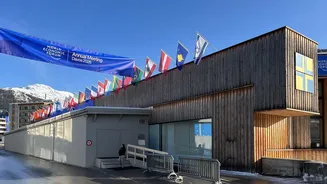







After two weeks of fraught negotiations and a marathon two-day extension, the COP31 climate summit in Antalya, Türkiye, has concluded not with a bang, but with a collapse. A deadlock over the future of fossil fuels left the world without a final agreement.
A Summit Without a Deal
The United Nations' annual climate conference, the 31st Conference of the Parties (COP31), ended on Sunday, November 22, in a state of deep disappointment. For the first time since 2009, negotiators from nearly 200 countries were unable to reach a consensus on a final cover decision, the overarching political pact that guides global climate efforts. The talks, which became the longest in UN climate history, ultimately failed when a coalition of countries led by the European Union rejected a final draft text that completely omitted any mention of fossil fuels—the primary driver of climate change. COP31 President Murat Kurum of Türkiye officially conceded there was no path to an agreement, declaring the proposed 'Antalya Pact' had not been adopted.
The Unmentionable 'F' Word
The central conflict revolved around language. An initial draft of the agreement included a call for 'accelerated action to phase out fossil fuels'. However, as negotiations wore on, this language was progressively weakened and then removed entirely under pressure from oil and gas-producing nations, including Saudi Arabia and Russia. The final proposed text only made an oblique reference to the previous year's 'United Arab Emirates Consensus' without restating its commitment to 'transition away from fossil fuels'. For the EU, Panama, the UK, and a host of climate-vulnerable island nations, this was a step backward and a red line they would not cross. They argued that accepting a text which failed to name the root cause of the climate crisis was unacceptable.
A Tale of Two Blocs
The summit exposed the deep and persistent divisions in global climate politics. On one side, a 'high ambition' coalition of European, Latin American, African, and Pacific nations pushed for a clear and decisive plan to move away from coal, oil, and gas. On the other, a powerful group of petrostates resisted any language that would constrain their economies. The joint Turkish-Australian presidency struggled to bridge this divide. Their focus on a pledge to boost electricity's share of final energy to 35% by 2035, while backed by many countries, was seen by critics as a distraction from the core issue of fossil fuels. The failure to find a middle ground led to the dramatic collapse of the main political negotiations.
Was It a Total Failure?
While the lack of a top-line political agreement is a major blow, some progress was made on other fronts. Negotiators did manage to find consensus on several technical items, including a work programme on creating a 'just transition' for workers and communities, as well as advancements on the Global Goal on Adaptation. However, these smaller victories were overshadowed by the failure of the main event. UN Secretary-General António Guterres expressed his deep disappointment, stating the setback does not change the scientific facts of the climate crisis. Many activists and observers noted that rejecting a weak deal was better than endorsing a text that 'greenwashes' fossil fuels. The result was seen not just as a diplomatic failure but as a stark reflection of the influence that fossil fuel interests continue to hold over the process.