



Understanding the Gut-Brain Axis
You’ve probably heard phrases like "gut feeling" or felt "butterflies in your stomach." These aren't just expressions; they hint at a real, complex communication network called the gut-brain axis. This is a two-way street connecting your central nervous
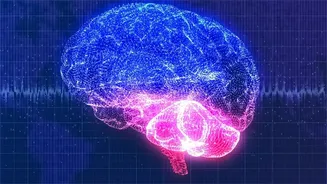
system (your brain and spinal cord) with your enteric nervous system, the millions of nerve cells lining your digestive tract. They constantly send signals back and forth via nerves, hormones, and immune system pathways. This dialogue influences everything from digestion to your mood, stress levels, and even cognitive functions like focus and memory. What happens in your gut doesn't stay in your gut; it sends messages directly to your brain, affecting your overall sense of well-being.
Fiber: The Fuel for a Happy Gut
Fiber is more than just a tool for regularity. In the context of the gut-brain axis, certain types of fiber function as prebiotics. Think of prebiotics as the fertilizer for the good bacteria, or microbes, living in your gut. Your body can't digest these fibers, so they travel to your colon where they become food for beneficial microbes. As these microbes feast on prebiotic fiber, they produce beneficial compounds, most notably short-chain fatty acids (SCFAs) like butyrate. These compounds are powerhouse molecules that help maintain the gut lining, reduce inflammation, and play a direct role in communicating with the brain. By fueling the right bacteria, you're essentially equipping your gut to send positive signals upstairs.
How Fiber Feeds Your Focus and Mood
The connection between fiber and focus is rooted in those SCFAs. Butyrate, for instance, has been shown to support learning and memory. Furthermore, the gut is responsible for producing a significant amount of the body's neurotransmitters. In fact, it's estimated that around 90% of serotonin, the so-called "happy chemical" that regulates mood, is made in the digestive tract. A healthy, well-fed microbiome contributes to the stable production of these crucial brain chemicals. When your gut microbes are balanced, they help regulate inflammation and the body’s stress response, which can lead to a more stable mood, less anxiety, and sharper cognitive function.
Probiotics: The Friendly Reinforcements
If prebiotics are the food, probiotics are the beneficial bacteria themselves. Probiotics are live microorganisms that, when consumed in adequate amounts, provide a health benefit. They help maintain a healthy balance in your gut microbiome, crowding out potentially harmful bacteria and supporting the integrity of your gut lining. Some research refers to specific strains that influence mental health as "psychobiotics." Studies have suggested that regular intake of certain probiotics may help reduce symptoms of anxiety and depression, improve stress resilience, and even enhance cognitive function. By adding these friendly microbes to your system, you are actively reinforcing your gut's ability to function optimally and communicate effectively with the brain.
Putting It on Your Plate: Prebiotic Power
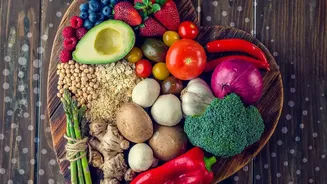
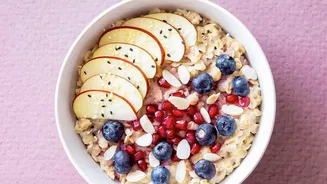
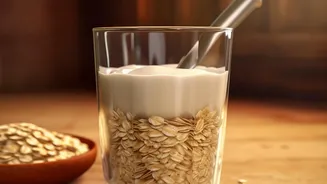
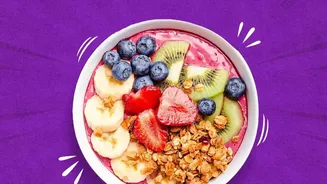
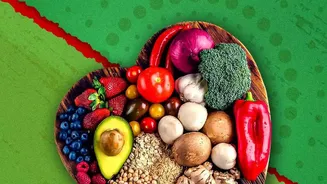
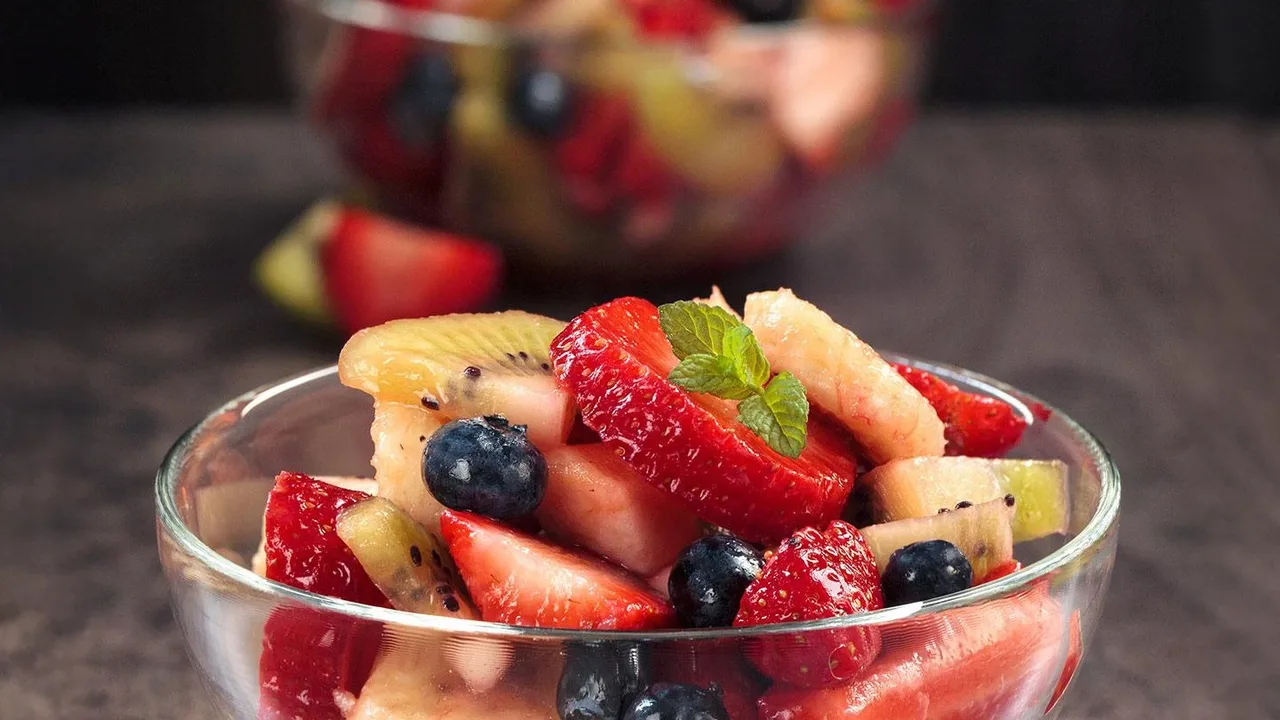
Incorporating prebiotic fiber into your diet is simple and delicious. The goal is to eat a variety of plant-based foods. Excellent sources include garlic, onions, and leeks, which contain beneficial compounds that boost good bacteria. Asparagus, Jerusalem artichokes, and slightly underripe bananas are also packed with prebiotics. Whole grains like oats and barley contain a special type of fiber called beta-glucan that supports gut health, while apples, rich in pectin, and flaxseeds also contribute to a healthy microbiome. Don't forget legumes like chickpeas and beans, as well as a variety of other vegetables and fruits.
Finding Your Probiotic Foods
Probiotic-rich foods are typically fermented. Yoghurt with live and active cultures is one of the most accessible sources. Kefir, a fermented milk drink, often contains an even wider variety of beneficial bacteria. For non-dairy options, consider sauerkraut (unpasteurized is best), kimchi, miso, and tempeh. Kombucha, a fermented tea, and even some types of aged cheese and sourdough bread can also be good sources of probiotics. The key is to introduce these foods regularly to continuously support your gut's microbial population.