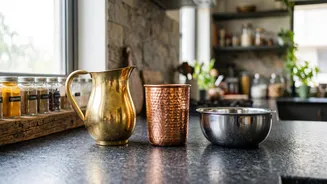




With Dhanteras arriving on November 6, 2026, the festive air is filled with plans for auspicious purchases. While gold and silver shine brightly, traditional wisdom points towards the enduring glow of brass and copper utensils. Here's why these metals
are more than just kitchenware.
The Auspicious Glow of New Beginnings
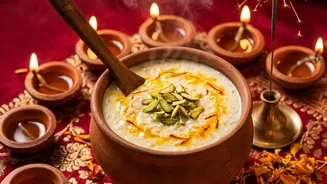
Dhanteras marks the beginning of Diwali celebrations and is dedicated to wealth, prosperity, and health. The word 'Dhan' means wealth, and 'Teras' refers to the thirteenth day of the lunar cycle on which it falls. A core tradition is buying new metal items to welcome Goddess Lakshmi, the deity of wealth, and Lord Kuber, the treasurer of the gods. This act symbolizes inviting good fortune and abundance into the home for the year ahead. The custom is rooted in the legend of Lord Dhanvantari, the god of Ayurveda, who emerged from the cosmic ocean carrying a vessel, making the purchase of a new utensil a deeply symbolic act.
Why Brass? The Metal of Abundance
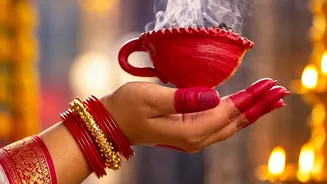
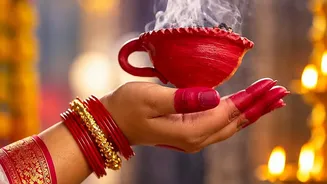
Brass, known as 'Pital' in Hindi, is an alloy of copper and zinc and holds a special place in Hindu rituals. Its bright, golden lustre is considered highly auspicious and is traditionally used for crafting lamps (diyas), puja thalis, and idols. Buying brass on Dhanteras is believed to attract positive energy and prosperity. Ayurveda, the ancient Indian science of life, values brass for its health benefits, suggesting that it helps in purifying food and balancing the body's doshas, or energies. Because it is durable and more affordable than precious metals, a brass utensil is seen as a practical and meaningful purchase that can be used daily, serving as a constant reminder of the festival's blessings.
Why Copper? The Metal of Health
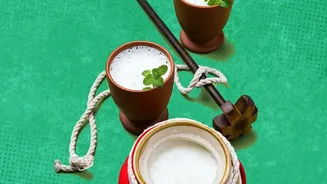
Copper, or 'Tamba', is revered for its connection to vitality and health. According to Ayurveda, storing water in copper vessels overnight infuses it with properties that can kill harmful bacteria, aid digestion, and reduce inflammation. This 'Tamra Jal' (copper-charged water) is believed to balance all three doshas. On Dhanteras, purchasing a copper item is seen as an investment in the family's well-being, aligning with the festival's dual focus on both wealth and health. Its reddish-brown hue is visually striking, and its use in sacred rituals underscores its spiritual significance as a conductor of positive energy.
A Smart Shopper's Guide to Purity
When you are out shopping, telling the difference between these metals is key. Pure copper has a distinct reddish-brown or reddish-orange color, much like a clean penny. Brass, being an alloy of copper and zinc, has a more yellowish, golden tone. If an item is dirty, a small scratch on an inconspicuous area can reveal the true color underneath. Another simple test is sound; when lightly struck, copper tends to produce a deeper, mellower sound, while brass often gives off a higher-pitched ring. Also, neither copper nor pure brass is magnetic, so carrying a small magnet can be a helpful trick to rule out plated steel items.
Caring For Your Traditional Treasures
To maintain the lustre of your new utensils, regular and gentle cleaning is essential. Avoid harsh chemical cleaners or steel wool, which can scratch the surface. For daily cleaning, warm soapy water and a soft cloth work best. To tackle tarnish that naturally builds up over time, you can use traditional, natural methods. A paste made from lemon juice and salt, or vinegar and flour, can be gently rubbed onto the surface to lift discoloration. Apply the paste, let it sit for a few minutes, then rinse thoroughly and dry completely with a soft cloth to prevent water spots. This simple care routine will ensure your auspicious purchases remain beautiful for many festivals to come.