






What Exactly Is Cold Hydrotherapy?
Cold hydrotherapy is the practice of using water at temperatures below 15°C (59°F) for therapeutic benefits. This isn't just about extreme ice baths reserved for elite athletes. It can be as simple as ending your daily shower with a burst of cold water,
submerging your face in a bowl of icy water, or taking a brief dip in a cold tub. The goal is to intentionally and safely expose your body to cold, triggering a cascade of physiological responses that can profoundly impact your mental state. It's an accessible practice that people have used for centuries, but modern science is now beginning to understand precisely how it works to combat stress and build mental fortitude.
The Science of a Shiver: A Stressor That Strengthens
When your skin meets cold water, it sends a jolt of electrical impulses to your brain, activating the sympathetic nervous system—your body's "fight-or-flight" response. This might sound counterintuitive for stress relief, but it’s a form of beneficial, controlled stress known as hormesis. This short, managed stressor trains your nervous system to become more efficient and resilient over time. The immediate effect is a massive release of a neurotransmitter called norepinephrine, which can increase by as much as 530%. This surge is responsible for the feeling of alertness, focus, and enhanced mood that follows a cold plunge. Simultaneously, the brain gets a sustained dopamine boost, a neurotransmitter linked to motivation and pleasure, which can increase by 250% and remain elevated for hours.
Training Your Nervous System to Relax
While the initial shock activates your stress response, the recovery period that follows is just as important. Cold exposure stimulates the vagus nerve, a crucial component of the parasympathetic nervous system, which governs your "rest-and-digest" functions. Think of the vagus nerve as your body’s natural brake pedal. Stimulating it helps slow your heart rate, regulate emotional responses, and shift you out of a high-stress state. Over time, regular cold exposure can improve your "vagal tone," meaning your body gets better at switching from a stressed state to a calm one. This enhanced ability to self-regulate is a cornerstone of mental resilience, helping you manage daily pressures with greater composure.
Building Mental Toughness and Resilience
The act of willingly stepping into uncomfortable cold water is a powerful mental exercise. It trains what neuroscientists call "top-down control," where your prefrontal cortex—the logical part of your brain—learns to override the primal instinct to panic or flee. By staying calm and controlling your breathing through the initial shock, you are actively teaching your mind to handle discomfort without becoming overwhelmed. This practice of enduring a voluntary, short-term stressor builds mental fortitude that translates directly into everyday life, strengthening your ability to face unexpected challenges and bounce back from adversity more effectively.
How to Safely Start at Home
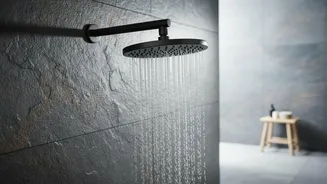
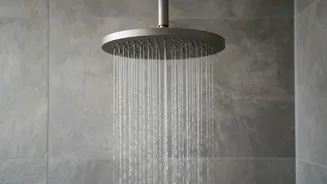
You don’t need an expensive setup to begin. The easiest entry point is the cold shower. Start with your normal warm shower, and for the last 30 seconds, turn the water to as cold as you can tolerate. Focus on steady breathing. Over time, you can gradually increase the duration to a few minutes. Another simple method is immersing your face in a bowl of ice water for 15-30 seconds. For those ready for more, a cold bath is the next step. Your home bathtub filled with cold tap water is sufficient; you can add ice to lower the temperature further, aiming for a range between 10-15°C. Aim for short immersions of 2-5 minutes, and never push past your limits. The key is consistency, not intensity.