


More Than Just A Weak Monsoon
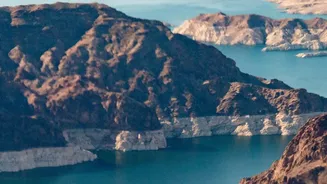
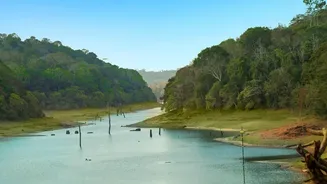
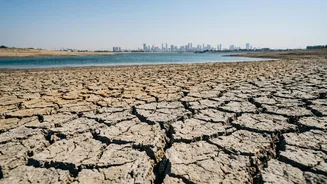
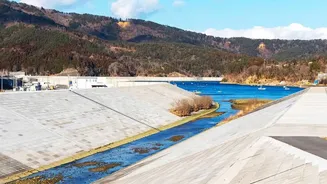
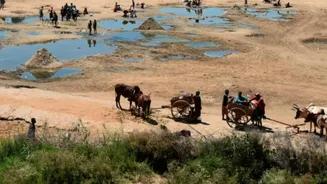
Recent data from the Central Water Commission (CWC) paints a concerning picture. Water storage across 178 of the country's major reservoirs stood at just 70% of total capacity as of late September 2026. This is significantly below the decade-long average
of over 76% for this time of year. The shortfall is particularly acute in southern India, where reservoirs are at a mere 50% capacity, a drastic drop from 87% the previous year. While the 2026 monsoon has been weaker than average, influenced by the El Niño phenomenon, this only scratches the surface. Attributing the crisis solely to rainfall ignores the chronic, systemic issues that have been building pressure on India's water systems for years.
The Invisible Crisis Below Ground
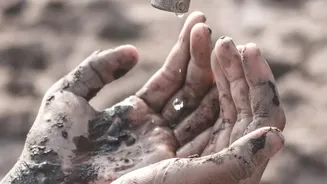
A far greater, though less visible, part of the problem lies underground. India is the world's largest user of groundwater, extracting more than any other nation. This resource serves as a critical buffer, especially during weak monsoons, supplying around 85% of rural drinking water and over 60% of irrigation needs. However, relentless over-extraction means we are drawing water far faster than it can be naturally replenished. A recent UN report highlighted that groundwater depletion in India is now a persistent, multi-year trend, indicating a fundamental rupture in the water balance. In many parts of northern India, water tables have been receding by as much as a foot per year, a loss driven almost entirely by human consumption.
An Insatiable Thirst from Agriculture
Agriculture is at the epicentre of India's water demand, accounting for approximately 80-90% of all water consumption. The widespread cultivation of water-intensive crops like rice, sugarcane, and cotton, often in arid or semi-arid regions, places enormous strain on both surface and groundwater reserves. This issue is compounded by policies such as electricity subsidies for farmers, which inadvertently encourage excessive pumping of groundwater by making it virtually free. Furthermore, the prevalent use of inefficient flood irrigation techniques means a significant portion of the water drawn for agriculture is wasted and never reaches the crops, deepening the deficit.
Urban Growth and Leaking Pipes
India's rapidly expanding cities are another major driver of water stress. As urban populations swell, the demand for water for domestic and industrial use skyrockets. This growth often outpaces the development of adequate water infrastructure. Many Indian cities rely on ageing and leaky distribution networks, leading to staggering losses where nearly 30% of treated water never reaches the consumer. At the same time, the concrete and asphalt of urban sprawl prevent rainwater from seeping into the ground to recharge aquifers, turning potential resources into urban runoff. The encroachment on traditional water bodies like lakes and wetlands has further destroyed natural storage systems that once helped cities weather dry spells.
A Fragmented Approach to a National Problem
Ultimately, India's water crisis is also a crisis of management. Water governance in the country is fragmented, with a lack of cohesive policy and enforcement. Since water is a state subject under the constitution, it often leads to inter-state disputes and a piecemeal approach to a problem that transcends borders. Despite multiple national water policies, the implementation of integrated water resource management remains weak. Without a holistic strategy that addresses everything from agricultural practices and urban planning to groundwater regulation and infrastructure upgrades, India will continue to find itself lurching from one water crisis to the next, regardless of how generously the monsoon behaves.