






More Than Just Chai and Pakoras
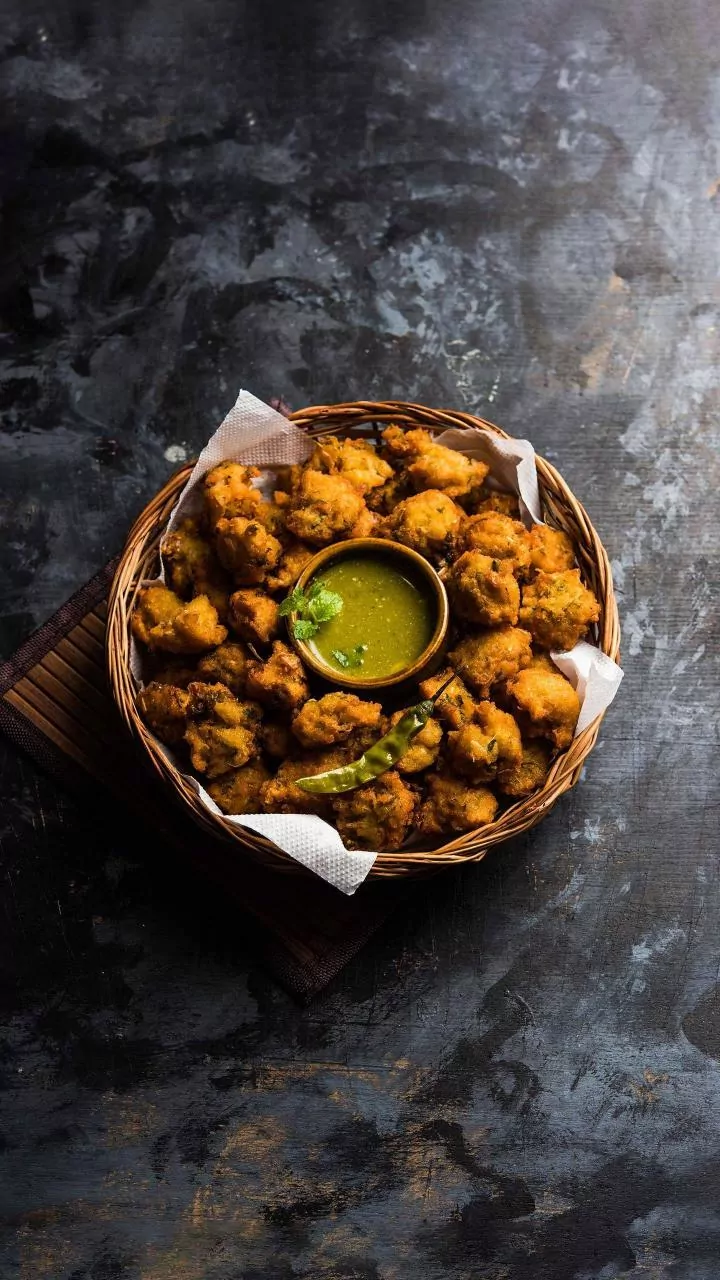
For decades, the quintessential “monsoon menu” in India has been a predictable affair. It was a comforting but limited script of deep-fried pakoras, steaming samosas, and masala chai. These were foods that offered warmth and crunch against the damp chill.
But a quiet, flavourful revolution is underway. Across urban India, from Mumbai to Bengaluru, chefs and restaurateurs are looking past the deep-fryer and digging deeper into what the season truly offers. They are rediscovering a forgotten culinary grammar, one that is hyperlocal, ingredient-driven, and intrinsically tied to the land during the rains. This new wave of monsoon menus celebrates vegetables that thrive in the wet earth, fish that are abundant in swollen rivers, and greens that only appear for these few precious months.
A Return to Traditional Wisdom
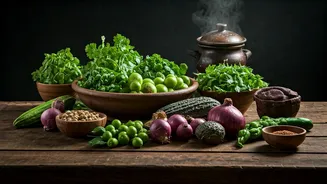
The word “again” in the headline is crucial. This isn’t an invention; it’s a revival. For centuries, Indian food wisdom, particularly Ayurveda, has prescribed specific diets for each season. The monsoon, or ‘Varsha Ritu’, is considered a time when digestion is weak and the body is more susceptible to ailments. Traditional diets reflected this, favouring light, easily digestible, and warm foods. Ingredients like gourds (bottle gourd, snake gourd), roots and tubers (sweet potato, colocasia), and lentils were staples. Sour and fermented foods were encouraged to aid digestion. The current trend is a modern interpretation of this ancestral knowledge. Chefs are working with nutritionists and even looking back at their grandmothers' recipes to create dishes that are not only delicious but also align with the body’s seasonal needs. It's a conscious move away from the one-size-fits-all, globalised pantry.
The Chef-Led Sustainability Push
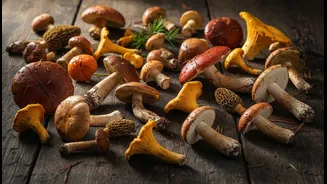
This movement is being championed by a new generation of chefs who see seasonality as a cornerstone of sustainability. By designing menus around what’s locally available, they drastically reduce the carbon footprint associated with transporting ingredients like avocado or broccoli across continents. This philosophy strengthens local economies by creating a direct link between the restaurant and the farmer. Chefs are now collaborating with small-scale producers and even foragers to bring rare ingredients to the urban table. Think foraged wild mushrooms from the Himalayan foothills, red spinach that grows wild in the Konkan belt, or freshwater fish sourced from local rivers instead of the frozen sea bass. This farm-to-table (or forage-to-fork) approach makes the dining experience more exciting and tells a powerful story about a region’s unique biodiversity.
What’s On the Plate?
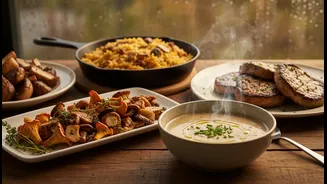
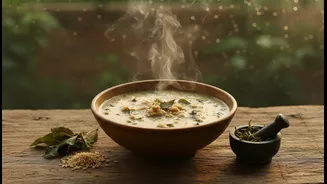
So, what does this new monsoon cuisine actually look like? It’s a vibrant and diverse culinary landscape. You might find a delicate patra ni machchi, where fish is steamed in colocasia leaves (abundant during this season). Corn, or bhutta, sheds its simple roasted-with-lime-and-chilli image and appears in sophisticated corn ribs, creamy soups, and savoury tarts. Humble gourds are being transformed into elegant carpaccios and flavour-packed curries. Foraged greens, like the curly phodshi from Maharashtra or the amaranth leaves found across the country, are starring in salads and stir-fries. Even desserts are getting a seasonal makeover, with dishes featuring jackfruit, custard apple, and the tart jamun. Each dish becomes a snapshot of a specific time and place, a taste of the monsoon that is both novel and deeply traditional.