




Why Breath Is Half the Practice
In yoga, the breath, or 'pranayama', is considered the bridge between the body and the mind. When you just go through the motions of Cat-Cow (Marjaryasana-Bitilasana), you get a nice spinal stretch. But when you sync your breath to the movement, you activate
the nervous system, reduce stress, and turn the physical exercise into a moving meditation. The traditional breathing pattern isn't arbitrary; it works with your body's natural mechanics. Inhaling expands the chest, making it perfect for the heart-opening Cow pose, while exhaling helps engage the core as you round into Cat pose. This coordination is the foundation of a mindful yoga practice.
Setting the Foundation: Tabletop Position
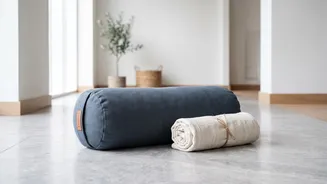
Before you can flow, you need a stable base. Start on your hands and knees in what's called a 'tabletop' position. Your wrists should be stacked directly under your shoulders, and your knees directly under your hips, about hip-width apart. Spread your fingers wide to distribute your weight evenly and avoid putting too much pressure on your wrists. Your back should be flat and neutral, like the surface of a table. Gaze down at the mat between your hands to keep your neck long. If your knees feel sensitive on the floor, place a folded blanket under them for extra cushioning.
The Slow Flow: Inhale for Cow, Exhale for Cat
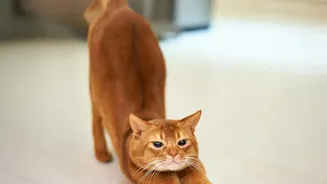
The magic of this pose comes from moving slowly. The goal is not to see how fast you can go, but to make the movement last for the entire length of your breath. 1. Inhale into Cow Pose (Bitilasana): As you take a slow, deep breath in through your nose, begin to drop your belly toward the floor. Lift your chest and tailbone toward the ceiling, creating an arch in your spine. Allow your gaze to lift slightly, but avoid cranking your head back; the movement should feel like it's rippling up your spine from your tailbone. 2. Exhale into Cat Pose (Marjaryasana): As you begin to slowly exhale, reverse the movement. Gently tuck your tailbone and draw your navel toward your spine, rounding your back toward the ceiling like a stretching cat. Press the floor away with your hands to feel a stretch between your shoulder blades, and let your head hang heavy, tucking your chin toward your chest without forcing it. A complete cycle includes one full inhale into Cow and one full exhale into Cat.
Common Beginner Mistakes to Avoid
It's easy to develop small habits that reduce the pose's effectiveness. Watch out for these common missteps: Moving Too Quickly: The most common mistake is rushing through the movements instead of letting the breath guide the pace. If you finish moving before you finish breathing, slow down. Leading with the Head: Initiate the movement from your pelvis and tailbone, not by jutting your head up or down. This ensures you're mobilising your entire spine. Collapsing the Shoulders: Actively press the floor away with your hands in both poses. This engages your muscles and prevents you from sinking into your shoulder joints. Holding Your Breath: If coordinating feels awkward at first, the most important thing is to simply keep breathing. Don't hold your breath at any point in the movement. The rhythm will come with practice.
Benefits Beyond the Stretch
When performed with mindful breathing, Cat-Cow offers more than just a back stretch. It gently massages the organs of the abdomen, which can aid in digestion and relieve menstrual discomfort. The rhythmic, calming nature of the flow helps to soothe the nervous system, making it an excellent tool for stress and anxiety relief. Over time, it improves posture by creating awareness of your spinal alignment and counteracting the effects of prolonged sitting. It's considered one of the safest and most effective ways to warm up the spine, boost circulation, and prepare the body for a deeper yoga practice or simply shake off morning stiffness.
Modifications For Every Body
This pose is highly adaptable. If being on your hands and knees is uncomfortable, you can get nearly all the same benefits from a seated position. Sit tall toward the front of a sturdy chair with your feet flat on the floor and hands on your knees. On your inhale, arch your back and lift your chest for a seated Cow. On your exhale, round your spine for a seated Cat. This variation is perfect for an office break or for anyone with wrist or knee sensitivity.