





Why Your Pet's Nose Knows Best
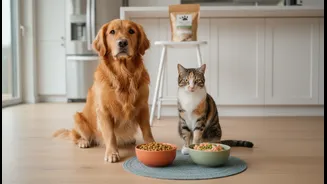
To understand the risk, you first need to appreciate your pet’s incredible sense of smell. A dog’s nose, for instance, is a marvel of biological engineering. With up to 300 million olfactory receptors compared to a human's mere six million, their world
is primarily interpreted through scent. Cats also possess an extraordinary sense of smell that far surpasses our own. For both dogs and cats, scent is not just a sense; it is their primary tool for assessing the world, especially their food. Before a single bite is taken, your pet’s nose tells them whether a meal is fresh, appealing, and safe to eat. This is why a sudden disinterest in their food might not be about taste, but about smell.
The Problem with Scent Contamination
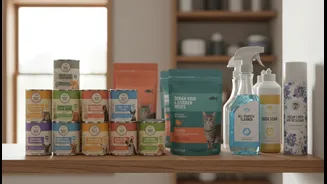
When you store a bag of pet food next to strongly scented items like laundry detergent, bleach, surface cleaners, or even air fresheners, you’re creating a battle of aromas. Over time, the volatile organic compounds (VOCs) released by these products can permeate the pet food bag. The food itself, particularly dry kibble, can absorb these foreign smells. To your pet, this is a major red flag. A dog or cat expecting the familiar, savory scent of their dinner is instead met with a confusing and alarming chemical odor. This can lead to food refusal, not because they are being picky, but because their instincts are telling them the food is tainted and potentially unsafe. Strong, unnatural chemical smells can also be a source of stress for animals.
Kibble Is More Porous Than You Think
Dry pet food may feel hard and crunchy, but its structure makes it highly susceptible to absorbing odors. Most kibble is produced through a process called extrusion, where ingredients are cooked under high pressure and then rapidly expanded. This process creates a light, porous nugget. Think of each piece of kibble as a tiny, crunchy sponge. The fats and oils used to coat the kibble for palatability and nutritional value can also easily trap and hold onto external scents. Even if the bag is sealed, many standard pet food bags are not completely impervious to the powerful VOCs emitted by household chemicals over weeks or months in an enclosed space like a cabinet or pantry.
The Direct Risk of Chemical Leaching
Beyond just making the food unappealing, there is a direct health risk. While you might be careful not to spill bleach on the pet food bag, leaks and spills are always a possibility in a shared storage space. More subtly, the chemical fumes that contaminate the food's scent can also settle on and be absorbed by the food itself. Many household cleaners contain substances that are toxic if ingested, and even small amounts can pose a risk to your pet's health over time. Storing these items separately is a fundamental food safety practice, and pet food is no exception. Experts from the Pet Food Institute and other veterinary sources consistently advise storing pet food in a cool, dry place, far from any toxic household chemicals.
The Gold Standard for Pet Food Storage
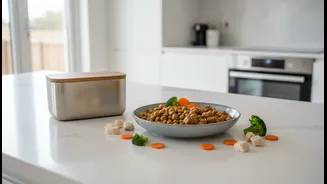
So, what is the right way to store your pet’s food? The recommendations from food safety experts are simple and effective. First, designate a separate storage area for pet food, away from all cleaners, chemicals, and fragrant products. A dedicated spot in a kitchen cabinet or pantry far from the laundry room or under-the-sink storage is ideal. Second, keep the food in its original bag. These bags are designed to maintain freshness and protect the food's nutritional integrity. If you prefer to use a separate bin for convenience, place the entire original bag inside an airtight, food-safe storage container. This provides a double barrier against pests, moisture, and contamination while also keeping the product's lot number and expiration date handy in case of a recall. Finally, be sure to wash and thoroughly dry your storage container between bags to remove any residual oils that can become rancid.