

Hyderabad's Crucial Role
At the heart of this culinary challenge is Hyderabad's ICMR-National Institute of Nutrition (NIN). Scientists at NIN are meticulously developing a menu for India's astronauts, focusing on creating food that not only provides essential nutrients but also
stands up to the bizarre conditions of microgravity. Their work involves formulating dishes like mutton rolls, chicken nuggets, and fruit purées that are safe, easy to consume, and psychologically comforting. The institute is also deeply involved in simulation studies to understand how these food formulations will behave in space, ensuring that the astronauts' diet is both delicious and practical. This effort places Hyderabad at the forefront of a critical component of the Gaganyaan programme, which is now scheduled for 2027.
The Science of a Zero-G Meal
Eating in space is nothing like a meal on Earth. Without gravity, crumbs don't fall; they float, posing a serious risk to sensitive equipment. This is why bread is off the menu, and tortillas are often used instead. Liquids don't pour; they cling to surfaces. Furthermore, astronauts often report that food tastes blander in space. This is partly due to a shift in body fluids that causes a stuffy-nose sensation, similar to having a cold, dulling the senses of smell and taste. To counter this, space food is often made spicier or more flavourful. The food must also have a long shelf life without refrigeration and be packaged to be heated and consumed with minimal fuss.
Crafting the Cosmic Menu
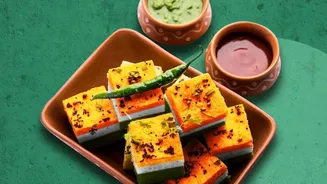
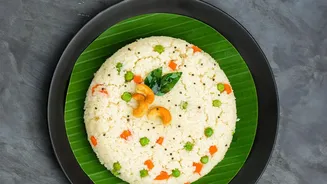
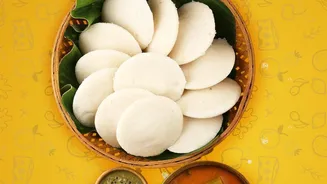
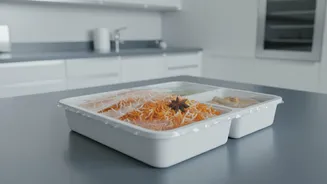
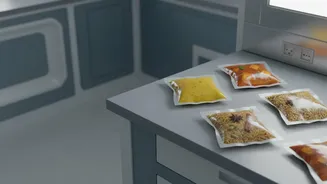
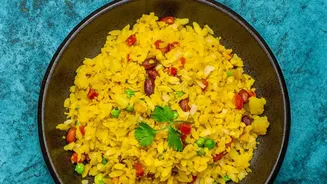
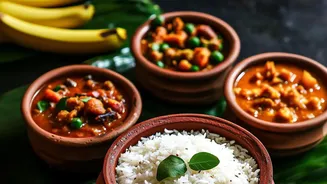
The effort to feed India's astronauts is a nationwide collaboration, with the Defence Food Research Laboratory (DFRL) in Mysuru playing a foundational role since developing meals for Rakesh Sharma in 1984. For Gaganyaan, DFRL and NIN have curated an extensive menu that reads like a celebration of Indian cuisine. Imagine unwrapping a packet of vegetable biryani, moong dal halwa, or idli sambar in orbit. Other items being perfected include dal khichdi, aloo paratha, and chicken pulav. These dishes are prepared using advanced techniques like retort processing, where food is sealed in a pouch and heated to sterilise it, ensuring it remains safe and tasty for the duration of the mission.
Lessons from the ISS
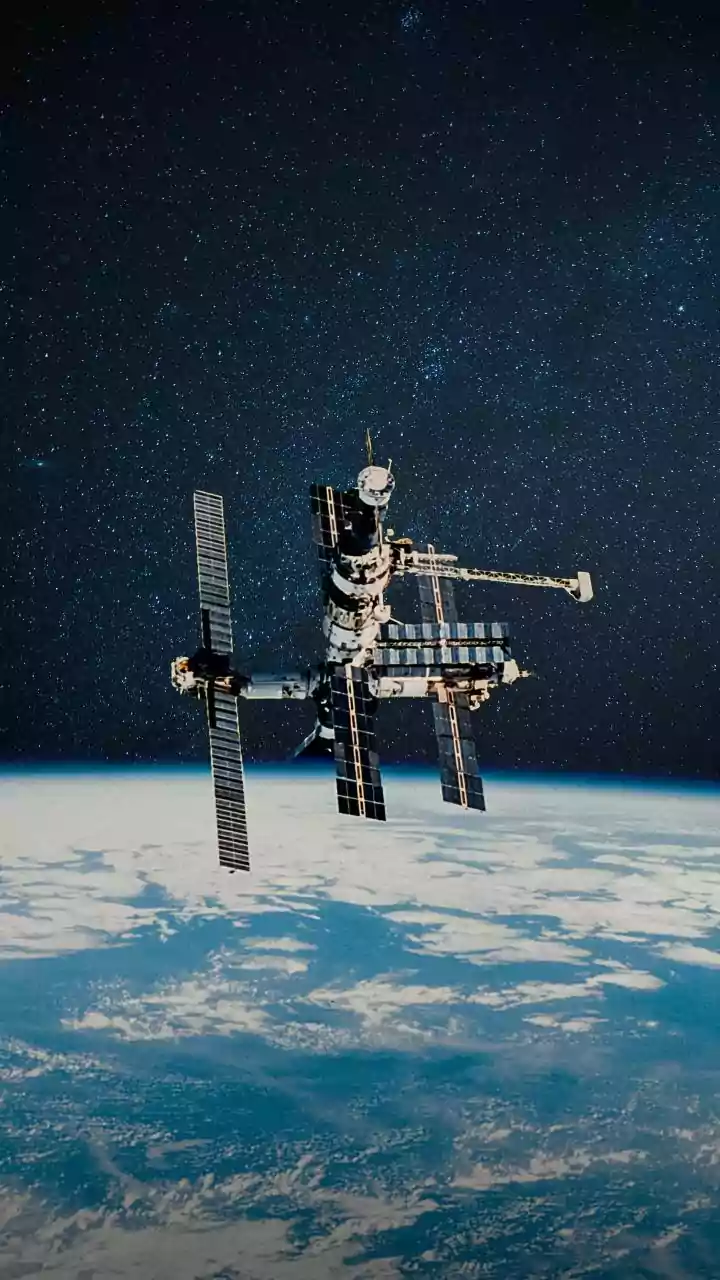
Recent experiences have provided valuable real-world data. When Indian astronaut Shubhanshu Shukla flew to the International Space Station, the plan was to send a variety of Indian dishes. However, the rigorous and time-consuming qualification process meant only three items—gajar ka halwa, moong dal ka halwa, and mango pulp (aam ras)—were certified for flight in time for his mission. Items like khichdi couldn't complete the extensive testing before launch. While Shukla himself ended up sharing the approved treats with his international crewmates, the experience highlighted the stringent safety and stability standards that every food item must pass, providing crucial lessons for the even more ambitious Gaganyaan menu.
More Than Just Food
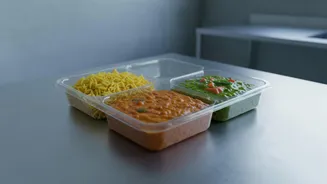
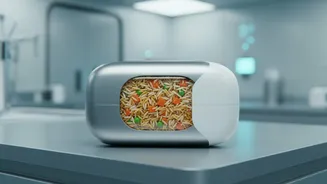
Ultimately, sending familiar Indian food into space is about more than just nutrition. It’s a powerful morale booster. For astronauts isolated from home in a high-stress environment, a comforting meal of dal or halwa offers a crucial psychological link to their culture and life on Earth. A Hyderabad-based company, Ananth Technologies, is even developing a smart, sensor-equipped 'tiffin box' to heat and hold the meals, a modern take on a classic Indian concept. This blend of tradition and technology showcases India's approach to its space programme: pushing scientific boundaries while carrying its rich heritage into the future. It’s a mission to prove that no matter how far we travel, the flavours of home can come with us.