




Why Indoor Air Worsens in Winter
During winter, our homes become tightly sealed boxes. To conserve heat, we keep windows and doors shut, which drastically reduces natural ventilation. This traps and concentrates a host of airborne irritants that are generated from inside the house itself.
Common culprits include volatile organic compounds (VOCs) from cleaning products, paints, and new furniture; particulate matter from cooking, especially with oil; pet dander; and dust mites. Even cozy activities like burning candles or using a fireplace can release pollutants. This buildup means that indoor air can become significantly more polluted than the air outside, contributing to issues like headaches, allergies, and respiratory irritation.
The Fresh Air Solution: Ventilation
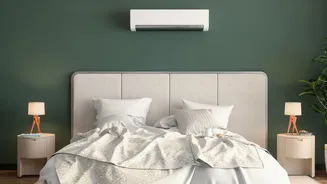
Ventilation is the process of replacing stale, polluted indoor air with fresh outdoor air. The simplest form is natural ventilation—opening a window. While effective, this isn't always practical in peak winter, especially in Indian cities where outdoor air quality can be hazardous. A more advanced solution is mechanical ventilation, such as a Heat Recovery Ventilator (HRV) or an Energy Recovery Ventilator (ERV). These systems are integrated into your home's ductwork to manage air exchange continuously. They pull in fresh air and exhaust stale air while using a heat exchanger to warm the incoming cold air, saving energy. An ERV goes a step further by also transferring some moisture, which can help balance indoor humidity levels. This provides a consistent supply of fresh, filtered air without a major energy penalty.
The Cleanup Crew: Filtration
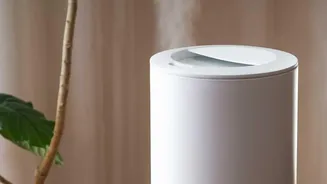
While ventilation brings in fresh air, filtration cleans the air that's already inside. This is typically done using air purifiers or upgraded filters in your HVAC system. The gold standard for purifiers is the HEPA (High-Efficiency Particulate Air) filter. A true HEPA filter is certified to remove at least 99.97% of airborne particles that are 0.3 microns in size, which includes dust, pollen, pet dander, and even some bacteria and viruses. For central air systems, filters are rated on the MERV (Minimum Efficiency Reporting Value) scale, usually from 1 to 16. A higher MERV rating means the filter can capture smaller particles. Most homes can benefit from a MERV 8 to 13 filter, which captures things like pollen and dust mites without overly restricting airflow, a problem with dense HEPA filters in standard systems.
Ventilation and Filtration: A Team Effort
It's not about choosing one over the other; ventilation and filtration perform different, complementary jobs. Ventilation is crucial for reducing the buildup of gaseous pollutants like CO2 and VOCs and bringing in the oxygen we need. Filtration excels at removing particulate matter like dust, allergens, and smoke that is recirculating indoors. In a tightly sealed modern home, a mechanical ventilation system (like an ERV) ensures a constant supply of fresh air, while portable air purifiers with HEPA filters can be used in critical areas like bedrooms to scrub the air clean of particulates. For many homes, a combination of both strategies offers the most comprehensive approach to maintaining healthy indoor air throughout the winter.
Simple Steps for Cleaner Indoor Air
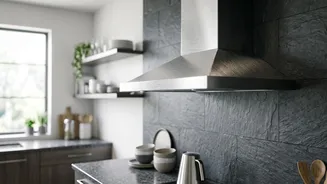
Beyond investing in new systems, several low-cost habits can make a big difference. Sealing gaps around windows and doors is a high-impact first step to prevent polluted outdoor air from seeping in. Always use your kitchen exhaust fan when cooking and the bathroom fan when showering to vent moisture and pollutants directly outside. Regular cleaning, including vacuuming carpets and washing bedding, helps control dust and dander. Whenever outdoor air quality is good, take the opportunity to open windows for a few minutes to flush out stale indoor air. Finally, consider adding air-purifying indoor plants like Snake Plants or Areca Palms, which can help absorb certain toxins.