




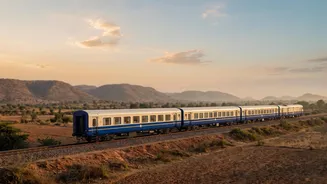
An Experience, Not Just a Ticket
For decades, train travel has been the backbone of India, connecting people, goods, and cultures across vast distances. Today, the focus is shifting from mere transportation to creating memorable travel experiences. The concept of rail tourism treats
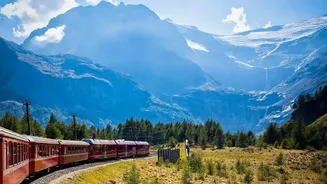
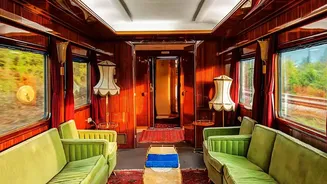
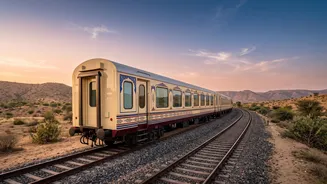
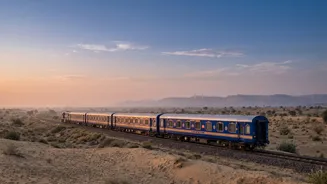
the journey itself as a central part of the vacation. Initiatives are already underway, from the panoramic Vistadome coaches offering breathtaking views on scenic routes to the theme-based Bharat Gaurav trains that offer all-inclusive packages to cultural and religious sites. These services aim to transform the train from a simple mode of transport into a moving hotel, a restaurant with a view, and a gateway to discovery, all rolled into one.
Redefining 'Accessible' for All Travellers
The word 'accessible' in travel often gets narrowly defined, but in the context of Indian rail tourism, it holds a multifaceted meaning. First, there's financial accessibility. For millions of middle-class families, train travel remains the most budget-friendly option. Secondly, there's geographic accessibility; trains can penetrate remote and beautiful parts of the country that lack airports, promoting balanced regional development. Finally, and crucially, there is physical accessibility. This involves making travel easier for senior citizens, families with young children, and people with disabilities, a segment of the population whose travel needs have historically been overlooked.
The Unbeatable Cost Advantage
In a country where travel aspirations are growing, cost remains a significant factor. The Indian leisure travel market is projected to grow substantially, driven by a rising middle class. Rail tourism offers a powerful solution to making travel affordable. Compared to air travel, train fares are significantly lower, especially when booking for a family. This cost saving doesn't just make a single trip possible; it empowers families to travel more often or for longer durations. All-inclusive packages like those offered by Bharat Gaurav trains further simplify budgeting by bundling travel, accommodation, and meals into a single price.
Connecting India's Hidden Gems
India's tourism map has long been dominated by a few major hubs. Rail tourism has the unique potential to change this by connecting travellers to lesser-known, off-the-beaten-path destinations. The government's 'Dekho Apna Desh' initiative encourages Indians to explore their own country, and railways are the perfect vehicle for this. Theme-based trains can create curated circuits around heritage sites, spiritual centres, and areas of natural beauty, bringing economic benefits to local communities that are not on the mainstream flight path. This helps distribute tourist spending more evenly and encourages the development of tourism infrastructure in new regions.
A Journey Towards Inclusivity
True accessibility means ensuring everyone can travel with dignity and comfort. While progress is being made, there is a long road ahead. The Accessible India Campaign aims to make public transport more friendly for people with disabilities. In railways, this could translate to more coaches with wider doors, ramps, and wheelchair-accessible toilets. At stations, clear signage, functional lifts, and assistance services are crucial. For senior citizens, this could mean dedicated seating, smoother boarding processes, and comfortable onboard amenities. By focusing on inclusivity, Indian Railways can tap into a large and underserved market of travellers.
Hurdles Remaining on the Tracks
Despite the immense potential, several challenges need to be addressed. The biggest hurdle is often the 'last-mile connectivity'—the journey from the railway station to the final destination. Poor integration with local transport like buses and autos can be a major deterrent. Other persistent issues include ensuring consistent levels of cleanliness, maintaining punctuality, and simplifying the often-complex booking process. Overcoming these operational challenges is critical to building trust and ensuring that the experience of rail tourism lives up to its promise.