

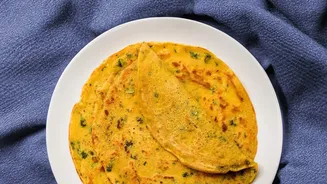


1. Swap Sugary Breakfast Cereals for Oats or Poha
Many packaged breakfast cereals are loaded with sugar and refined carbohydrates, leading to a quick energy crash. Instead, a warm bowl of masala oats provides sustained energy thanks to its high protein and fibre content. Poha, a classic Indian breakfast,
is another excellent choice. It's light, easy to digest, low in calories, and rich in iron. While oats are more filling due to higher fibre, poha offers a lighter meal with a quicker energy supply.
2. Swap White Bread for Whole Wheat Roti
The morning toast, often made from refined flour (maida), offers little nutritional value. Packaged brown breads can also be misleading, sometimes containing preservatives and added sugars. A freshly made whole wheat roti is a far superior choice. It is packed with fibre, which aids digestion and keeps you feeling full longer. Unlike processed bread, homemade rotis are free from preservatives and provide more sustained energy.
3. Swap Packaged Fruit Juice for Whole Fruits
While convenient, packaged fruit juices are often stripped of dietary fibre and can contain high amounts of free sugars, leading to blood sugar spikes. Eating a whole fruit is always a better option. The fibre in whole fruit slows down sugar absorption, provides greater satiety, and supports a healthy gut. This simple switch ensures you get all the vitamins and minerals of the fruit without the unnecessary sugar rush.
4. Swap Fried Samosas for Baked or Air-Fried Versions
The beloved deep-fried samosa is high in calories and unhealthy fats, largely due to the oil it absorbs. By switching to a baked or air-fried version, you can reduce the calorie count by 40-50% and the fat content by up to 80%. The filling remains just as flavourful, but you avoid the trans fats often associated with reused frying oils, making it a guilt-free indulgence.
5. Swap Potato Chips for Roasted Makhana
Potato chips are a go-to snack, but they are typically deep-fried and high in calories, unhealthy fats, and sodium. Roasted makhana (fox nuts) offers the same satisfying crunch with a fraction of the calories and fat. Makhana is also rich in protein and minerals like magnesium, making it a nutrient-dense alternative that keeps you full longer and helps avoid the bloating associated with fried snacks.
6. Swap Sugary Biscuits for Roasted Chana
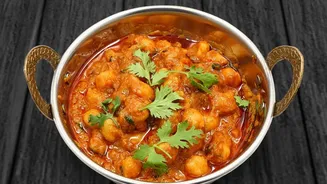
Many packaged biscuits, even those marketed as 'healthy', are made with refined flour and sugar. Roasted chana (chickpeas) is a fantastic, nutrient-dense alternative for your tea-time munching. It is an excellent source of plant-based protein and dietary fibre, which helps manage weight and regulate blood sugar levels. This simple, affordable snack is far more satisfying and provides steady energy without the crash.
7. Swap White Rice Dosa for Ragi or Moong Dal Dosa
While the classic rice dosa is delicious, it has a relatively high glycemic index. Swapping it for a dosa made from ragi (finger millet) or moong dal offers significant nutritional benefits. Ragi dosa is packed with calcium and iron, has a lower glycemic index, and contains more fibre, making it great for blood sugar management and bone health. Moong dal dosa, or Pesarattu, is another high-protein, gluten-free option that keeps you full longer.
8. Swap Instant Noodles for Vegetable Upma
Instant noodles are a quick fix but are often made from refined flour and come with seasoning packets high in sodium and unhealthy fats. Vegetable upma, made from semolina (suji) or whole-wheat dalia, is a much healthier and equally quick alternative. Loaded with fresh vegetables like carrots, peas, and beans, upma provides essential vitamins and fibre, making it a wholesome and filling meal instead of a source of empty calories.
9. Swap Deep-Fried Pakoras for Steamed Dhokla
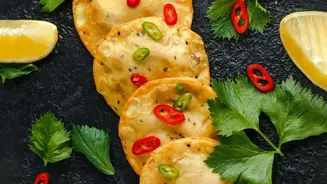
Pakoras, the quintessential rainy-day snack, are deep-fried and absorb a lot of oil. Steamed dhokla offers a light, spongy, and flavourful alternative without the grease. Made from a fermented gram flour (besan) batter, dhokla is easy to digest and has a much lower calorie count. This swap allows you to enjoy a traditional savoury snack that is both delicious and kind to your waistline.
10. Swap Paneer Bhurji with White Bread for Paneer Bhurji with Multigrain Toast
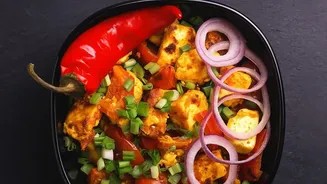
Paneer bhurji is a fantastic high-protein breakfast. However, serving it with white bread adds refined carbs with little nutritional benefit. A simple yet effective upgrade is to pair it with whole-wheat or multigrain toast. This adds valuable fibre and complex carbohydrates to the meal, making it more balanced and sustaining. This switch ensures your protein-packed breakfast provides lasting energy throughout the morning.